Online Reporter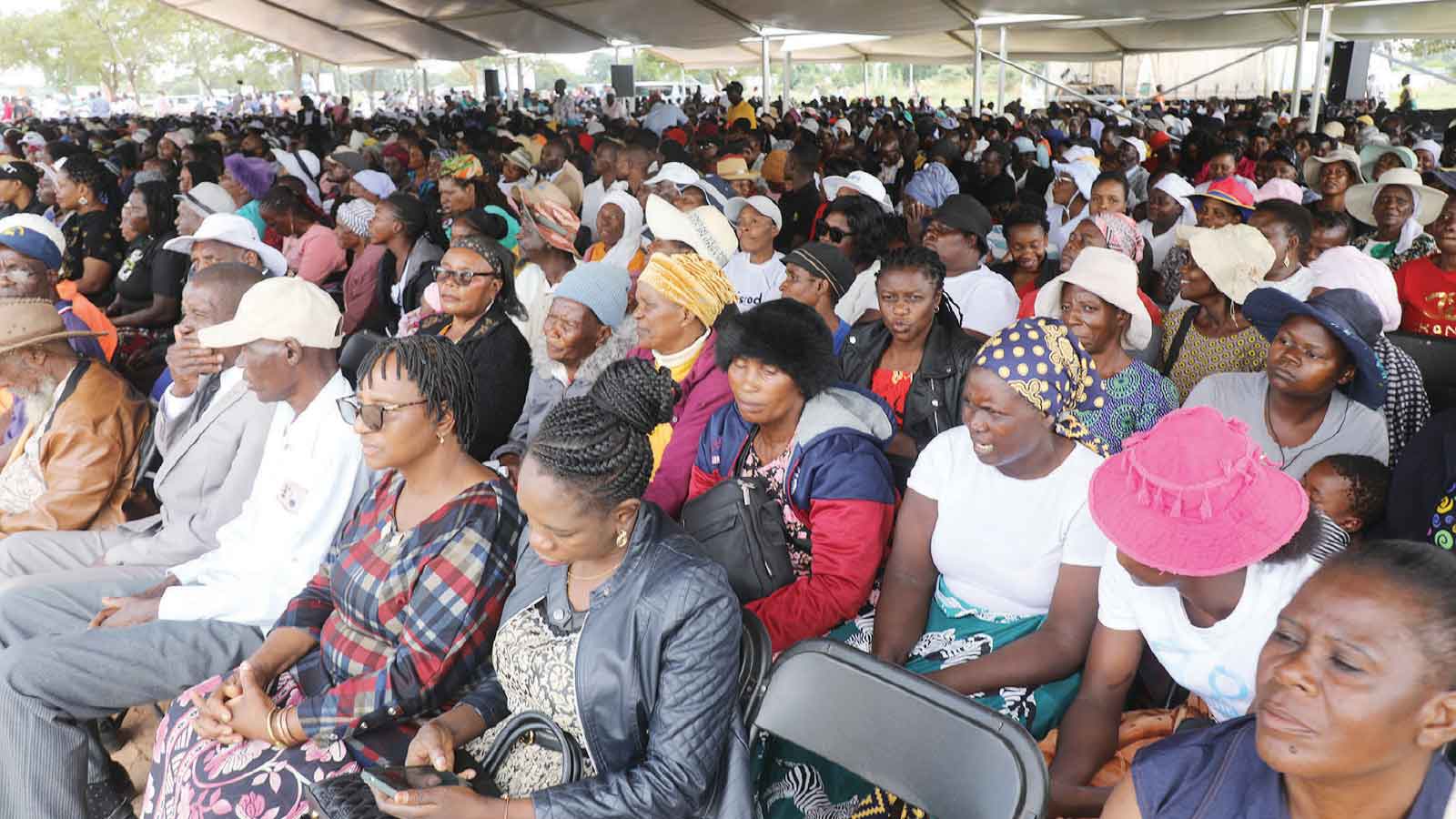
Gibson Mhaka
Zimpapers Politics Hub
AS the nation prepares to converge on the historic grounds of Maphisa in Matobo district, Matabeleland South province, for the 46th Independence Day celebrations, a new and profound revolutionary chapter is being written in the town halls, community centres and schoolrooms across Zimbabwe’s 10 provinces.
The overwhelming success of the first phase of public hearings on Constitutional Amendment Bill Number 3 is not merely a procedural milestone but a powerful preamble to our national celebrations.
It is the glowing evidence of a politically mature electorate asserting its right to shape a destiny that is no longer dictated by external interests or static colonial relics, but by the urgent, material needs of its people.
For political analysts and the thousands who thronged these venues, the nexus between these hearings and the upcoming Independence Day festivities is unmistakable.
While 1980 brought political freedom and the right to self-govern, the current constitutional process represents the “perfection” of that freedom.
It is the transition from seeking liberation to securing development — a declaration that Zimbabwe’s independence is being used to build a permanent, stable and prosperous home for future generations.
The heritage of choice: Beyond the flag
Independence gave Zimbabweans the right to own their land, their resources and, most crucially, their laws.
However, a constitution that remains rigid in the face of shifting national priorities is a constitution that fails to serve its masters.
After participating in these hearings in record numbers, citizens asserted that the Constitution is a living document.
The “sovereignty spirit” was palpable throughout the first day of consultations.
Participants argued that the ability to amend the supreme law to suit national developmental goals is the ultimate expression of the sovereignty won on the battlefield.
As one elderly contributor in Bulawayo aptly put it,“Independence was not just about the right to vote, but the right to build a nation that works for its people. If our current cycles hinder the completion of dams, roads and schools, then we must reform them to ensure that the work of the Second Republic continues unimpeded.”
This sentiment reflects a growing national consensus — “developmental continuity” is the new prerequisite for economic emancipation.
To celebrate independence in 1980 and then allow 1980-style legal frameworks to stall the work of 2026 would be a betrayal of the liberation struggle’s core tenets.
This Bill is about finishing what the heroes of our revolution started.
From ballot to brick: Prioritising development
A recurring theme across the various provinces was a call for a shift in focus from “ballots and boxes” to “bricks and mortar”.
Thousands of contributors highlighted a desire for reduced election cycles and Presidential term extensions to facilitate long-term infrastructure projects.
The logic is simple yet profound: The volatility of perpetual campaigning is the enemy of progress.
In the eyes of the grassroots supporters who have tasted the fruits of President Mnangagwa’s empowerment programmes, five years is often too short a window to fully execute massive projects like the Lake Gwayi-Shangani Dam or the expansive rehabilitation of the Beitbridge-Harare-Chirundu highway.
These are not just engineering feats; they are the material evidence of a free Zimbabwe.
“We are tired of starting projects only to be interrupted by the noise of elections every few years,” said a participant during the Bulawayo hearings.
“Developmental independence means having the stability to see a vision through, from the foundation to the roof.”
Through seeking to align the electoral cycle with long-term policy planning, the Bill is being viewed as a strategic tool to protect the national interest.
It suggests that a state structured for development is the highest form of a liberated state.
Role of traditional leaders and national stability
The hearings also saw a significant portion of the citizenry advocating for clarified and strengthened roles for traditional leaders.
In rural districts, the consensus was clear: Traditional leaders are the custodians of our heritage and the first line of defence for community development.
Contributors argued that by integrating traditional structures more effectively into the constitutional framework, the nation reduces political volatility at the grassroots level.
This creates the necessary peace and space for long-term projects to flourish.
In the context of independence, this is a return to our roots — an indigenous approach to governance that rejects the “one-size-fits-all” prescriptions of Western democracy in favour of a system that resonates with the Zimbabwean soul.
As the flares of the Independence Day celebrations prepare to light up the sky in Maphisa, the success of these hearings offers a different kind of fire.
It is the fire of a revolutionary spirit that has matured.
The transition from the “politics of protest” favoured by the opposition to the “politics of development” championed by the Second Republic is now complete.
The massive turnout proves that 46 years into our self-rule, the Zimbabwean spirit remains anchored in the belief that the nation’s destiny must be shaped by the needs of its people, not the dictates of foreign capitals.
Amendment Bill Number 3 is not just a legal shift; it is a declaration of confidence in our own leadership and our own vision.
Amid the noise of the usual quarters, the reality on the ground is that the debate surrounding these reforms is essentially over in the court of public opinion.
The overwhelming support from the grassroots — the very people who are the backbone of this nation — has sealed the Bill’s fate. The opposition’s claims of a “shrinking democratic space” ring hollow when thousands of people are voluntarily filling halls to demand more time for their leaders to deliver on their promises.
They have seen the roads being built, the clinics being opened and the mines being commissioned.
They have tasted the fruit of a development-oriented State, and they have no interest in seeing the country regress into the political chaos that characterised the pre-Second Republic era.
As President Mnangagwa has consistently articulated, “Reform is not betrayal. Reform is fidelity to the principle that governance must evolve to meet the needs of the nation.”
As we brace for the Independence Day celebrations, we do so with the knowledge that we are a nation in motion.
The successful hearings on Constitutional Amendment Bill Number 3 have shown that we are a people who understand that freedom is not a static destination reached in 1980, but a continuous journey of improvement and structural refinement.
The work being done in these hearings is the ultimate tribute to the fallen heroes who lie at the National Heroes Acre and various shrines across the region.
They fought for a Zimbabwe that is master of its own house.
By realigning our laws to support our development, we are proving that we are indeed masters of our house, capable of exercising our sovereign will to ensure that the sun never sets on the progress of the Second Republic.
The success of the public hearings on Constitutional Amendment Bill Number 3 serves as both a reminder and a promise.
It is a reminder that independence is a legacy built by the courage and vision of those who fought for freedom in 1980.
It is a promise that Zimbabweans are determined to perfect that freedom by shaping a State capable of delivering stability, development and prosperity.
In essence, these hearings are the sovereign will in motion — a vivid demonstration that 46 years after independence, Zimbabweans remain deeply committed to determining their destiny.
They assert that the Constitution is not a relic of the past but a living instrument for the future, capable of guiding the nation towards the completion of projects, the strengthening of institutions and the flourishing of its people.
Zimbabwe is on the path to a “developmental independence”, and this Bill represents the critical, inevitable step in that historic journey.