Chronicle Editor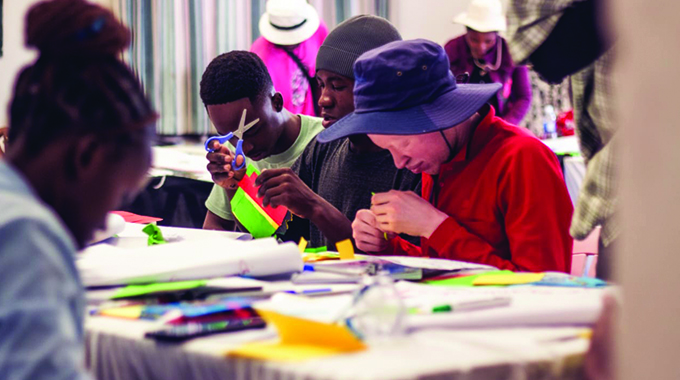
Mbulelo Mpofu, [email protected]
THE artistic community of Zimbabwe’s Matabeleland region is getting geared for exciting times as a transformative programme is set to empower emerging visual artists through enhanced financial literacy and skills training.
Having commenced on November 18 and set to end on Wednesday, this comprehensive workshop has been equipping 35 talented artists with the essential tools and knowledge they need to thrive in a competitive art landscape. It is being held at the National Gallery of Zimbabwe (NGZ) in Bulawayo.
Organised in collaboration with a range of esteemed partners, including the NGZ in Bulawayo, Akwande, Paperbag Africa, the National Arts Council of Zimbabwe (NACZ), and the US Embassy, the workshop bears the title, “Financial Freedom Equals Creative Freedom”.

This initiative recognises the unique challenges that visual artists face, particularly when it comes to financial management and entrepreneurship.
Nontuthuzelo Sisale, the team lead for this initiative, shared insights on the initiative, emphasising the importance of addressing these challenges in an interview with Chronicle Showbiz.
“Visual artists are often marginalised in financial literacy efforts. They are perceived primarily as creatives, rather than as business-minded individuals who also face unique financial struggles. Irregular income streams and a lack of formal business training can severely hinder their growth and sustainability,” she noted.

The workshop is structured into two segments: the first, from November 18-21, which focused on “Financial Literacy and Entrepreneurship,” while the second, from November 25-27, delves into “Skills Training.”
This dual approach aims to bridge the gap between artistic talent and essential financial knowledge, transforming potential barriers into stepping stones for artistic success.
During the financial literacy training, participants have been learning critical skills in budgeting, saving, investing, and debt management.

“These skills are crucial,” Sisale explained, “as they empower artists to make informed financial decisions and secure their long-term stability.”
The entrepreneurship component will cover business planning, marketing, and branding, enabling artists to establish sustainable creative enterprises.
A standout feature of the programme has been its focus on design thinking—a human-centred approach that encourages artists to understand the needs and desires of their audience.

“Design thinking is vital for emerging visual artists,” Sisale stated.
“It fosters a creative mindset, helping them develop unique and impactful work that resonates with their target market.”
In addition to financial and entrepreneurial training, participants engaged in a three-day printmaking masterclass, honing their skills in intaglio and lithography.
This hands-on experience is designed to enhance the technical capabilities of artists, ultimately improving the quality of their artwork and their marketability.
One of the programme’s key objectives is the establishment of an Art Association, envisioned as a collaborative platform where artists can network, share resources, and collectively address industry challenges.
“The Art Association will help create a structured framework for collaboration,” Sisale explained.
“It will amplify the visibility of local artists and foster a sense of community.”

As part of the workshop, a short documentary film will be produced to capture the journey of the participating artists. This film aims to highlight the challenges they face and the importance of financial literacy in the arts.
“The documentary will serve as a powerful tool to raise awareness locally and regionally,” Sisale noted, “inspiring a new generation of creative talent.”
This initiative is supported by the Alumni Exchange Innovation Fund (AEIF) 2024, which aims to enhance the impact of U.S. government investments in exchange programs. The US Embassy’s involvement underscores a commitment to fostering creative communities and promoting shared interests.
Sisale further elaborated on why financial literacy is particularly crucial for visual artists.
“Artists are generally self-employed, which often excludes them from financial literacy efforts,” she explained.
“This can lead to mismanagement of finances, especially when we hear stories of successful artists who lose their fortunes. Providing financial literacy is essential to help artists become self-sustainable.”
The initiative has been held so that participants gain practical knowledge and skills that will empower them to navigate the financial complexities of their careers.

“The participants have been learning to manage large, infrequent pay-outs and prepare for dry seasons, which are common in the arts,” Sisale added.
The long-term vision for this programme is ambitious. By integrating previously marginalised artists into the mainstream economic fold, the initiative aims to foster a thriving arts ecosystem in Zimbabwe.
“We hope to see individual artists achieve greater financial stability, a reduced sense of stress, and increased control over their careers,” Sisale said.
“The overall artistic community will benefit from effective resource application and a rise in positive role models.”
Plans for follow-up support and additional workshops are already in the works, ensuring that the momentum generated by this initial program continues. Specialised workshops on grant-writing, marketing, and digital art are among the future offerings envisioned to further support artists on their journey.
This initiative not only represents a critical step toward empowering individual artists but also signals a broader commitment to fostering a vibrant and sustainable arts culture in Zimbabwe.
With the promise of enhanced skills and knowledge, the participating artists stand on the brink of a transformative journey that could redefine their creative futures. – Follow on X @MbuleloMpofu


 Online Reporter