Online Reporter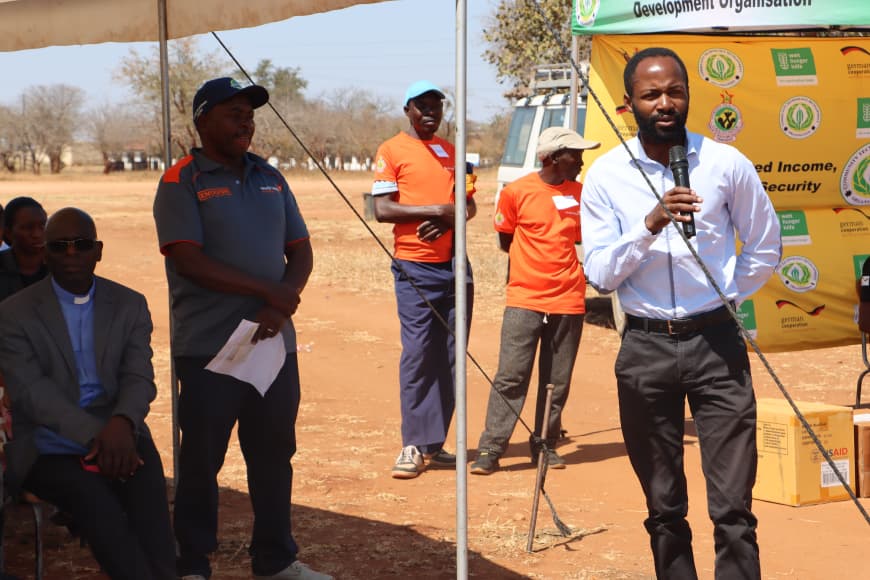
Amos Mpofu
BULILIMA District Medical Officer, Dr Fortune Rubengo, has urged mothers to take exclusive breastfeeding seriously and to respect the International Code of Marketing of Breast-milk Substitutes, recognizing its vital role in promoting infant health.
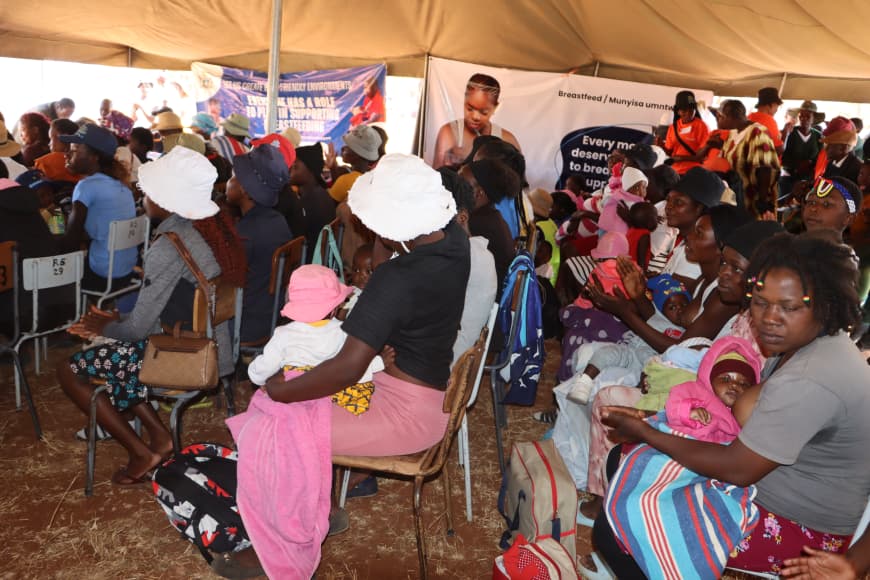
Dr Rubengo made these remarks last week during a Breastfeeding Commemoration event held at Esbomvu, part of World Breastfeeding Week. The event brought together various stakeholders, including personnel from the Ministry of Health and Child Care, community residents, and traditional leaders.

The guest of honour, provincial nutritionist Mr Innocent Mazarura, highlighted the importance of the International Code of Marketing of Breast-milk Substitutes. He explained that the Code is designed to protect and promote breastfeeding by regulating the marketing of breastmilk substitutes.
“Key provisions of the international code of breastmilk substitute include banning advertising, promotion, and free samples, as well as requiring scientific and objective information for healthcare workers. The Code aims to ensure mothers make informed decisions about feeding their babies, free from aggressive marketing influences, and is implemented by governments, manufacturers, and healthcare workers,” said Mr Mazarura.
He also emphasized efforts within Umzingwane District to encourage mothers to breastfeed for at least two years and beyond, ensuring optimal health and well-being for their children.
Dr Rubengo reiterated the broad benefits of breastfeeding for both mothers and babies.
“I emphasise the importance of breastfeeding for both mothers and babies, providing optimal nutrition, boosting immunity, and reducing disease risk,” he said.
District Nutritionist Annie Msauki-Busumani also addressed the gathering, stressing the collective responsibility needed to support breastfeeding in communities, workplaces, and public spaces.
“To support breastfeeding, it’s crucial to create breastfeeding-friendly workplaces with paid maternity leave, lactation rooms, and flexible work arrangements, as well as community support through education, resources, and public spaces that accommodate breastfeeding mothers.
“Community involvement in care groups can also play a vital role in providing a network of support, guidance, and encouragement for breastfeeding mothers. Additionally, supportive partners like World Vision and CTDO can contribute significantly by providing resources, expertise, and advocacy for breastfeeding promotion. Family support is also vital, offering emotional care and household help.
“By prioritising breastfeeding and creating supportive environments, we can give children the best start in life and promote a healthier society, making it essential for us to work together to make breastfeeding a norm and support mothers in their journey,” she said.