

 Online Reporter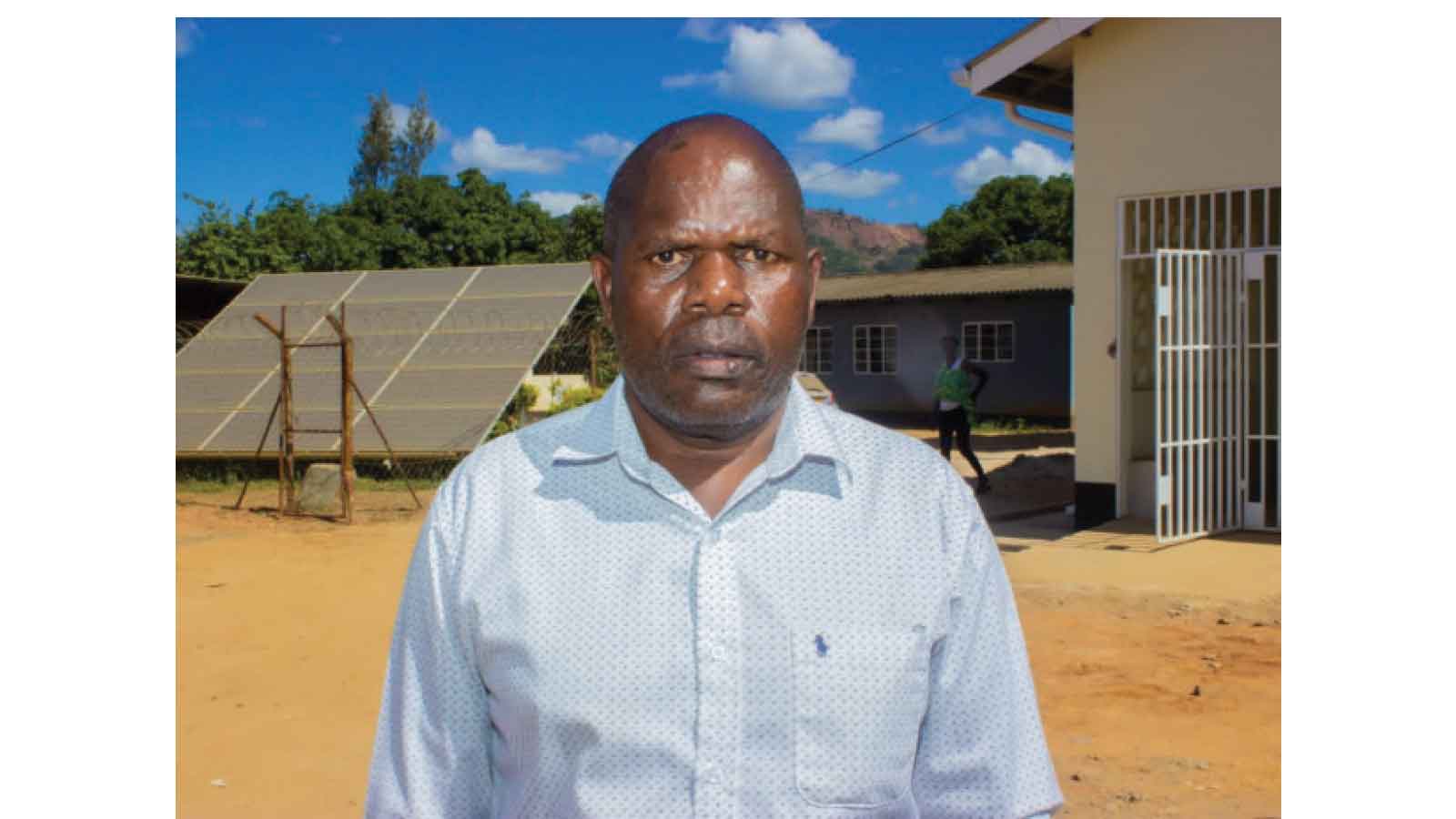
Rumbidzayi Zinyuke in SHAMVA
ZIMBABWE is intensifying efforts to reduce new HIV infections, particularly among adolescent girls and young women, a group that continues to face a disproportionate burden of the epidemic.
In Mashonaland Central, a growing network of young women is taking charge of their health, learning how to protect themselves from HIV while raising healthy children and supporting their peers to do the same.
Through the Young Mentor Mothers programme, implemented in partnership with the Ministry of Health and Child Care, NAC and UNICEF Zimbabwe, young mothers are gaining knowledge, confidence and community support to navigate motherhood safely in a district where more than 100 000 people are living with HIV.
The initiative is also being scaled up across Shamva district, and is empowering young mothers not only to rebuild their own lives but also to become frontline advocates in preventing new infections.
Shamva District AIDS Coordinator, Mr Shepherd Zanamwe, said the initiative comes at a critical time.
“Here in Shamva, one of our major challenges in terms of HIV burden is among adolescent girls and young women. They are particularly vulnerable due to factors such as gender-based violence and child marriages, which are still prevalent in some communities,” he said.
Despite these challenges, the district has recorded encouraging progress. HIV prevalence declined from 8,43 percent in 2023 to 6,4 percent in 2025, while new infection rates dropped from 0,13 percent to 0,08 percent.
Under the Young Mentor Mothers initiative, 21 young mentor mothers have been deployed across 19 health facilities. Drawing from their own lived experiences, they provide peer support, health education and counselling within their communities.
The model provides support delivered by peers who understand the realities of young motherhood. Mentor mothers offer guidance on sexual and reproductive health, mental well-being and HIV prevention, while creating safe spaces where young women feel seen, heard and respected.
“We are equipping the young mentor mothers with knowledge on pre-exposure prophylaxis (PrEP), condom use, family planning, mental health and sexually transmitted infections.
“They are also supporting HIV testing services and prevention of mother-to-child transmission. It is important that the young mothers we work with know their status and are supported to remain HIV-negative,” said Mr Zanamwe.
Although still in its early stages, with training beginning in December and community rollout in January, the programme is already showing impact.
“We are beginning to see changes, especially in the level of information being shared among young mothers. Demand for prevention services, particularly PrEP, has surged,” he said.
Beyond HIV prevention, the initiative also addresses underlying social drivers such as gender-based violence.
Launched as part of a broader national strategy in May 2025, the programme builds on the success of the Zvandiri model. It has expanded its reach beyond young mothers living with HIV to include all mothers aged 15 to 24, a shift towards prevention, early support and mental well-being.
Across sub-Saharan Africa, adolescent girls and young women continue to bear a disproportionate share of the HIV burden.
According to the 2024 Global AIDS Update, about 3 100 young women acquired HIV every week in 2023, driven by factors such as poverty, early marriage, gender-based violence and limited access to health services.
For the young women at the heart of the programme, the impact is both personal and profound.
Ruvarashe Katandika (21), a young mentor mother from Wadzani Clinic, knows firsthand the challenges of early motherhood.
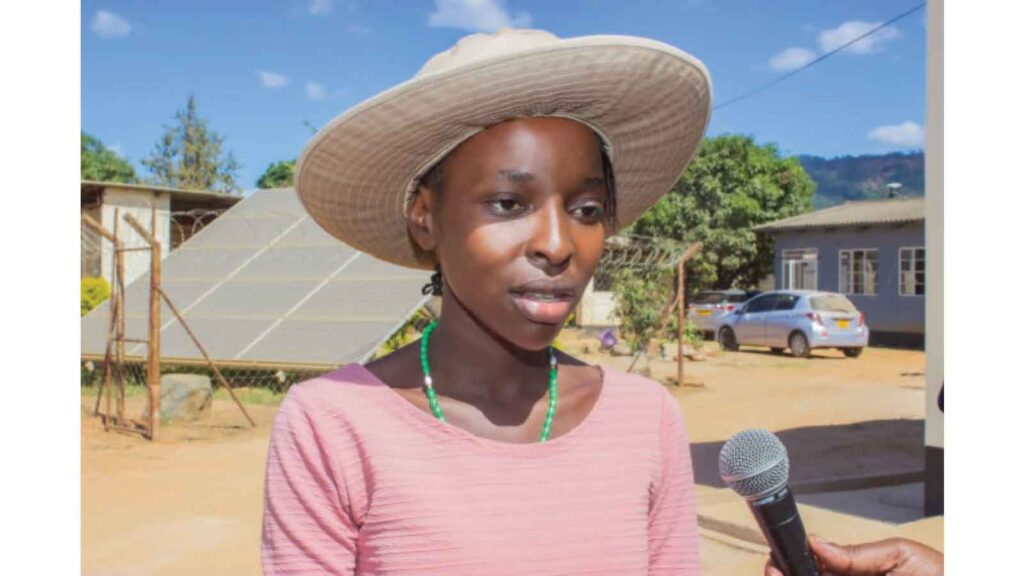
“I had my baby at 16. When the opportunity to train as a young mentor mother came, I embraced it. I realised I could relate to my peers and help them understand the options available for preventing HIV,” she said.
She now supports more than 200 young women, far exceeding the recommended number, reflecting both the demand for the service and the trust placed in her.
“I believe that we can win the fight against HIV through prevention. Since we started implementing this programme, we have seen more young people opening up to taking PrEP and using condoms,” she said.
She added that smaller support groups were being introduced to improve coordination and deepen engagement.
For Princess Chipayi (20), another young mentor mother at Chakonda Clinic, the programme has been a pathway to healing and purpose.
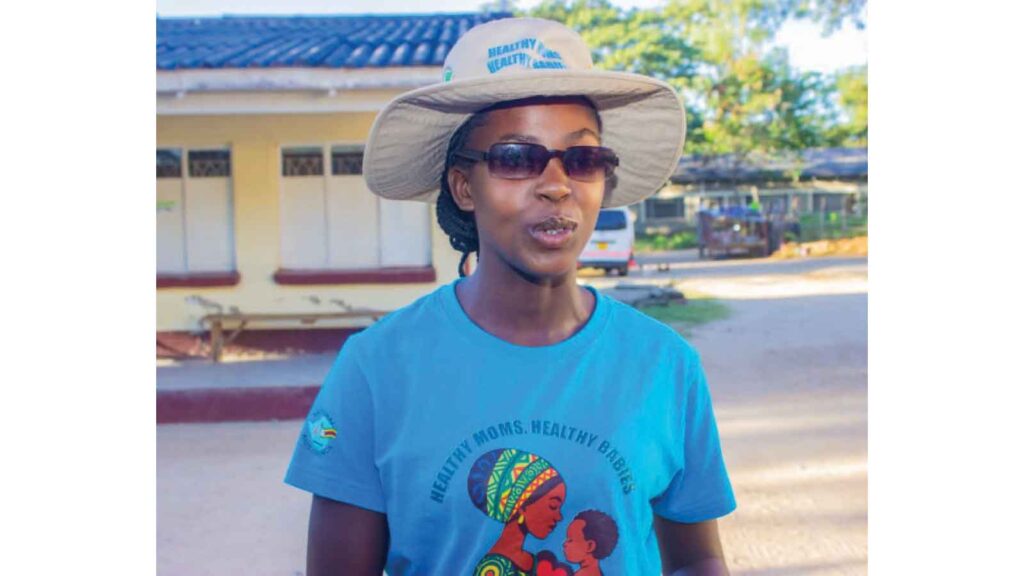
“I had my baby at 16, and it was a very difficult time. My parents were angry because I was still in school. I am grateful for the support I received after the initial disappointment and now my baby is growing and I am helping other young mothers to cope. I would like to go back to school and write my O-level exams, which I failed to do,” she said.
She said her experience drives her passion to support others facing similar challenges.
“We encourage young mothers to return to school after giving birth. We also advise them to start income-generating projects like poultry, farming or vending so they can pay school fees,” she said.
Princess said that in her work as a young mentor mother, she has encountered girls as young as 14.
“The youngest I met was pregnant at 14. We spoke to her about the importance of antenatal care and getting tested to protect her baby,” she said.
As the programme expands, there is growing optimism that empowering young mothers as agents of change will not only reduce new HIV infections but also strengthen communities.


 Bongani Ndlovu