Online Reporter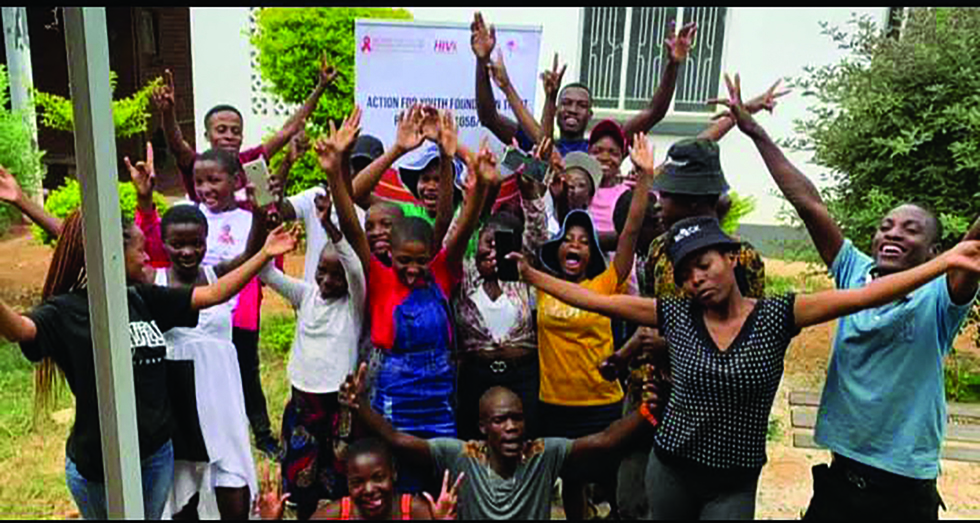
Tendai Gukutikwa
Health Reporter
YOUNG people across Manicaland are facing pressing challenges in accessing accurate, youth-friendly Sexual and Reproductive Health and Rights (SRHR) information and services, resulting in a surge in teenage pregnancies, unsafe abortions, stigma, and cultural taboos around sexuality.
This was revealed during a recent Youth SRHR advocacy training that brought together nearly 1 000 youths from across Africa through the Youth2Youth Digital Health Platform.
It was hosted by the Youth Foundation Trust (YFT).
Of those, 336 participants were from Manicaland, who revealed that teenage pregnancies, unsafe abortions, stigma, and cultural taboos around sexuality are rising in the province.
YFT director, Mr Marvin Musekiwa said despite growing awareness, many youths still lack comprehensive knowledge about their bodies, rights, and available services.
“The silence that surrounds SRHR in many families, schools, and religious institutions leaves young people vulnerable, often forcing them to rely on peers or the internet for information, sources that can be unreliable or harmful.
It is painful to see how many of our young people are struggling with basic SRHR knowledge because no one is willing to talk openly with them.
“We see girls dropping out of school due to early pregnancies, young men suffering in silence with STIs, and both being judged harshly instead of supported.
‘‘In Manicaland and across the country and region, we need to break the silence, remove the shame, and treat SRHR as a fundamental part of youth development,” he said, adding that the training aimed at equipping youths with both knowledge and advocacy skills.
“Our focus was, not only to teach what SRHR is, but to empower young people to go back and educate others, challenge stigma, and engage leaders. We started by grounding everyone in the basics, clear definitions, rights-based frameworks, and evidence-based approaches because you cannot advocate for what you do not fully understand,” he said.
He said there is need for young people to be included in critical conversations about their health.
“In Manicaland, we continue to see teenage pregnancies, unsafe abortions, and sexual violence, all of which are symptoms of a broken system where young people are excluded from critical conversations about their health.
‘‘What the training did was give them the confidence and capacity to take charge of those conversations. It gave them the tools to lead in shaping healthier, more inclusive communities,” he said.
He added that creating safe, youth-friendly spaces is key to building a generation that understands and protects its sexual and reproductive rights.
“We cannot continue leaving young people in the dark and expect them to make informed decisions. We must meet them where they are, listen to their experiences, and let them lead the change,” he said.
Mr Musekiwa said many harmful practices that continue to affect young people, such as child marriages, virginity testing, and silencing conversations about sex are often justified under the guise of tradition.
Maud Mukambi, a student from Manicaland, said tertiary institutions are also environments where young people struggle to access reproductive health services due to stigma, peer pressure, and limited facilities.
“We cannot remain silent while our peers are dropping out of school because of early pregnancies and untreated STIs. As young people in Manicaland, we are demanding better access to sexual and reproductive health services that respect our privacy and meet our needs.
‘‘As a college student, I am confident that this training equipped me with the skills to educate my peers about challenging stereotypes and stigma that obstruct efforts to improve youth access to SRHR.
‘‘Before this training, I had heard the term SRHR, but did not fully understand its scope.
Now I see how it connects to education, equality, and human dignity,” she said.
South African youth advocate, Afika Boyana, who was also a participant said: “Culture is dynamic, but it is not the enemy, it is how we interpret and adapt it that matters.
‘‘We can keep the good and change the harmful.
‘‘For communities, where traditional practices still carry weight, this kind of cultural introspection is a key step toward healthier and more inclusive approaches to youth SRHR.”