Online Reporter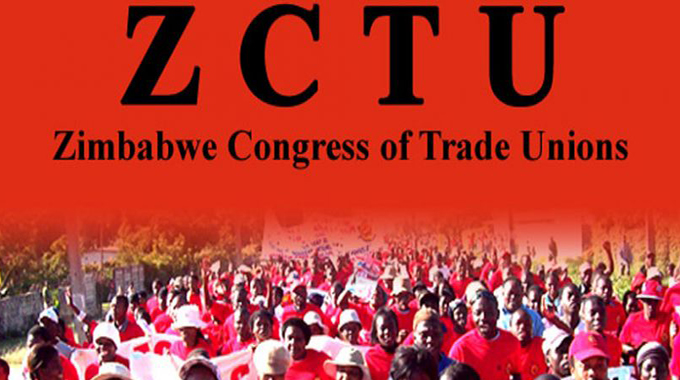
Nomalisa Gumpo, [email protected]
THE Zimbabwe Congress of Trade Unions (ZCTU) has called on employers to prioritise workplace safety, warning that poor conditions and long working hours are exposing workers to serious health risks.
Speaking during Bulawayo City Council’s (BCC) commemorations of the World Day for Safety and Health at Work, ZCTU Western Region chairperson, Mr Ambrose Killian Sibindi, said many employees across various sectors are battling stress-related illnesses such as high blood pressure, largely caused by toxic working environments.
He emphasised that lessons from the Hwange mine disaster of 6 June 1972, in which 427 miners lost their lives, should continue to inform Zimbabwe’s workplace safety standards.
“It is the worst accident that has ever happened, and because of that, as a country, there were lessons we were supposed to learn. It was an eye-opener to all of us,” said Mr Sibindi.
He urged employers to maintain accurate attendance records so that, in the event of an accident, no worker is left unaccounted for.
“In some workplaces, employers only begin to count or trace workers after injuries or accidents occur. Every day, we have an obligation to know who is present in the workplace and who is not. That’s a lesson we must learn from Hwange,” said Mr Sibindi.
He also called for reduced working hours, particularly for labour-intensive jobs, noting that Hwange miners endured 10-hour shifts, which may have contributed to fatigue, loss of concentration, and accidents.
“A person engaged in hard labour should not work the same number of hours as someone in an office. These are two different types of work, and hard labour requires energy — this alone can take a toll on a person,” said Mr Sibindi.
He further recommended annual medical check-ups for all workers, especially those exposed to hazardous conditions such as dust and chemicals.
Mr Sibindi highlighted that farm workers, agricultural labourers, domestic workers, and those in the informal sector are among the most vulnerable, often working long hours without protective facilities.
“These are also workers who must be recognised. If you are working eight hours, make sure your maid also works eight hours or less. And for the informal sector—if council cannot remove them, manage them—to ensure they are protected, along with the public, and that safety laws apply to everyone,” he said.
Mr Sibindi also called for the provision of safety equipment, fair wages, protective clothing, and the establishment of health and safety committees in every workplace. He urged employers to pay attention to the psychological well-being of workers, including stress and gender-based violence.
“We are learning lessons, but we must also have a way forward in maintaining good health practices. We are saying to employers: please protect workers, especially female workers, and ensure your workplaces are safe for people to operate in,” he said.