admin
adminSamuel Kadungure Farming Reporter
Resource poor farmers in natural regions three, four and five of Manicaland are suffering severe effects of what is likely to be the worst drought in decades as lack of rainfall and scorching heat has left crops struggling to grow, caused pastures to dry up as well as forcing some to leave fields untilled. The severe weather vagaries have destroyed livelihoods of farmers in places like Chipinge, Buhera and Mutare districts and a portion of Makoni South where some could not till their land “because it was not worthwhile.”
Agritex head for Manicaland, Mr Godfrey Mamhare, said few farmers in these drought-prone districts had planted and the crop has been “irreversibly” damaged by the ongoing drought.
This has left many raising alarm that Manicaland should start preparing for the worst. “The drought has delayed maize production this season and in regions three, four and five land was left untilled and a handful of those who had managed to plant had the entire crop irreversibly damaged because there is no water,” said Mr Mamhare.
“Even though it has rained continuously over the last few days, there still isn’t enough water at this point. The majority of resource poor farmers did not plant any crop fearing they will wilt. In regions two and one, the state of the crop has slightly improved, but we cannot confidently say the crop is completely rejuvenated. We hope the rain does not remain truant,” said Mr Mamhare.
Mr Mamhare said nothing was being “expected in those areas where nothing has been grown”.
“Especially in regions four and five there is nothing. It is zero harvest from whatever angle you may look at it. We have those who never tilled their land at all, and those who had, but the crop has been irreversibly affected,” said Mr Mamhare.
Farming experts warned that the province should commence drought preparations reviews given that several parts of the province are already “water stressed”.
Zimbabwe Farmers’ Union (ZFU) provincial manager, Mr Lloyd Mataya, warned Government that this year’s food yield will be lower, a situation that could force food prices even higher.
Mr Mataya said though it was too early to say what the economic impact would be, but non-irrigated crops, such as maize and small grains had already suffered.
“The season is bad, the rains are way below normal and only those with irrigation infrastructure and reliable water sources can salvage something.
“The southern part of the province has been severely affected by the current weather pattern,” said Mr Mataya.
Mr Mataya said drought can have many devastating effects on communities and the surrounding environment and ZFU was assisting vulnerable ones with climate smart agriculture techniques like drip kits that minimise water use.
“We are promoting technology that uses minimum water to irrigate high value crops. Our situation is sticky because water levels are declining, and as such, we need to use it efficiently and on the plant where it is needed. Water sources are depleted and their replenishment is proving difficult because it is not raining,” added Mr Mataya.
Communal farmers in Buhera, which falls under geological region five, grow drought-resistant crops such as round and groundnuts, rapoko and sorghum, but all have been written-off as a result of the prolonged the dry spell.
The amount of devastation is severe given the length of time of the drought conditions.
Its impact is greater on poorer communities than prosperous ones that have better opportunities to bring in resources from other areas.
Mr Ezekiel Manyore of Buhera said the district had been stalked by hunger since 1981.
He said there was no hope that the rains which last fell last Sunday would return and even if that was the case it would still be too late.
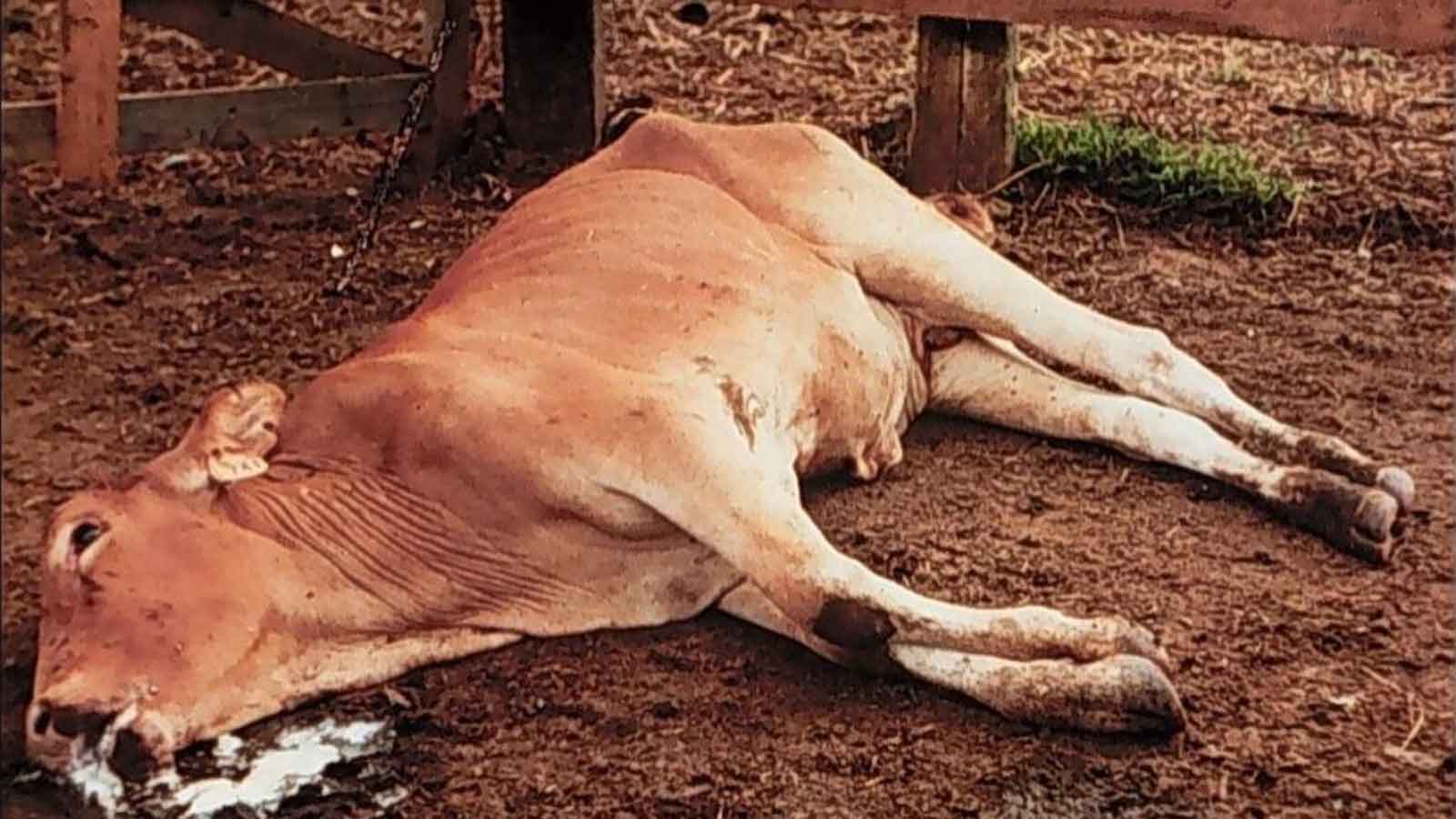
Mr Manyore said they were barter trading their livestock — goats, chickens and cattle for food, but cattle have started dying at an alarming rate as the dry weather has left pastures and rivers to dry up.
The lack of rain has also pushed up production costs for farmers which have outpaced any gains in prices for their crops and livestock.
Production costs for livestock growers have risen because the lack of grazing has forced them to buy expensive feed for their animals.
Decreased rain and rising temperatures have thrown many farmers in these farmers into confusion as seasons have become unpredictable, making it difficult for farmers to plan properly.
Climate change experts are placing the blame for the changing weather patterns on the increasing amount of gases in the atmosphere, especially carbon dioxide.
Carbon dioxide and other gases such as methane and nitrogen — commonly referred to as greenhouse gases — are causing the earth to heat up.


 Online Reporter