Online Reporter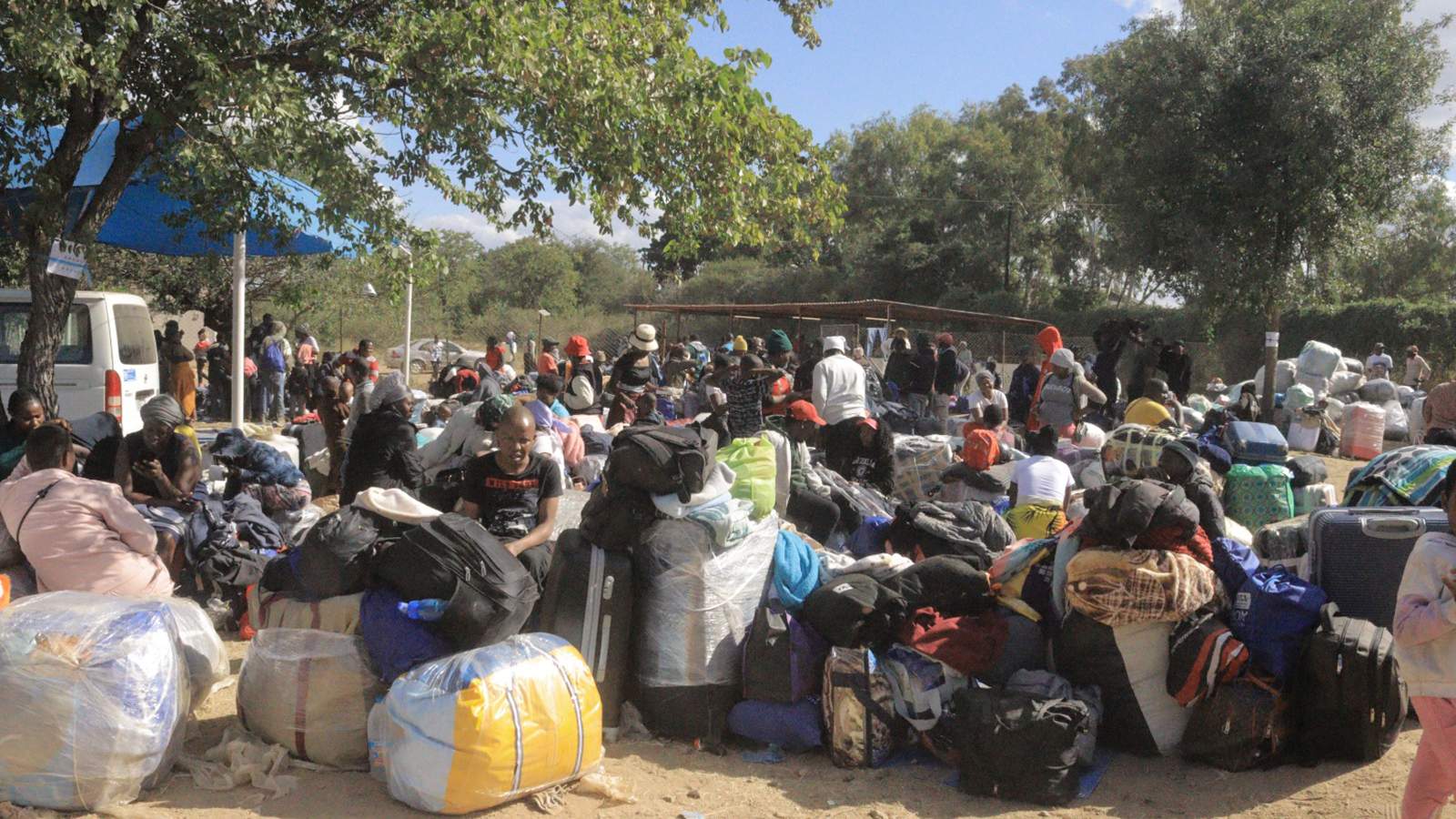
Kuda Bwititi
Zimpapers Politics Hub
Zimbabwe has reaffirmed its commitment to repatriating its citizens from South Africa, clarifying that processing delays are due to profiling requirements by South African authorities and not a lack of preparedness on Harare’s part.
This comes as hundreds of Zimbabweans have gathered outside the country’s consulate in Cape Town, seeking assistance to return home ahead of a planned anti-immigrant march on June 30.
Fears of potential violence have triggered a rush by many foreign nationals to leave South Africa.
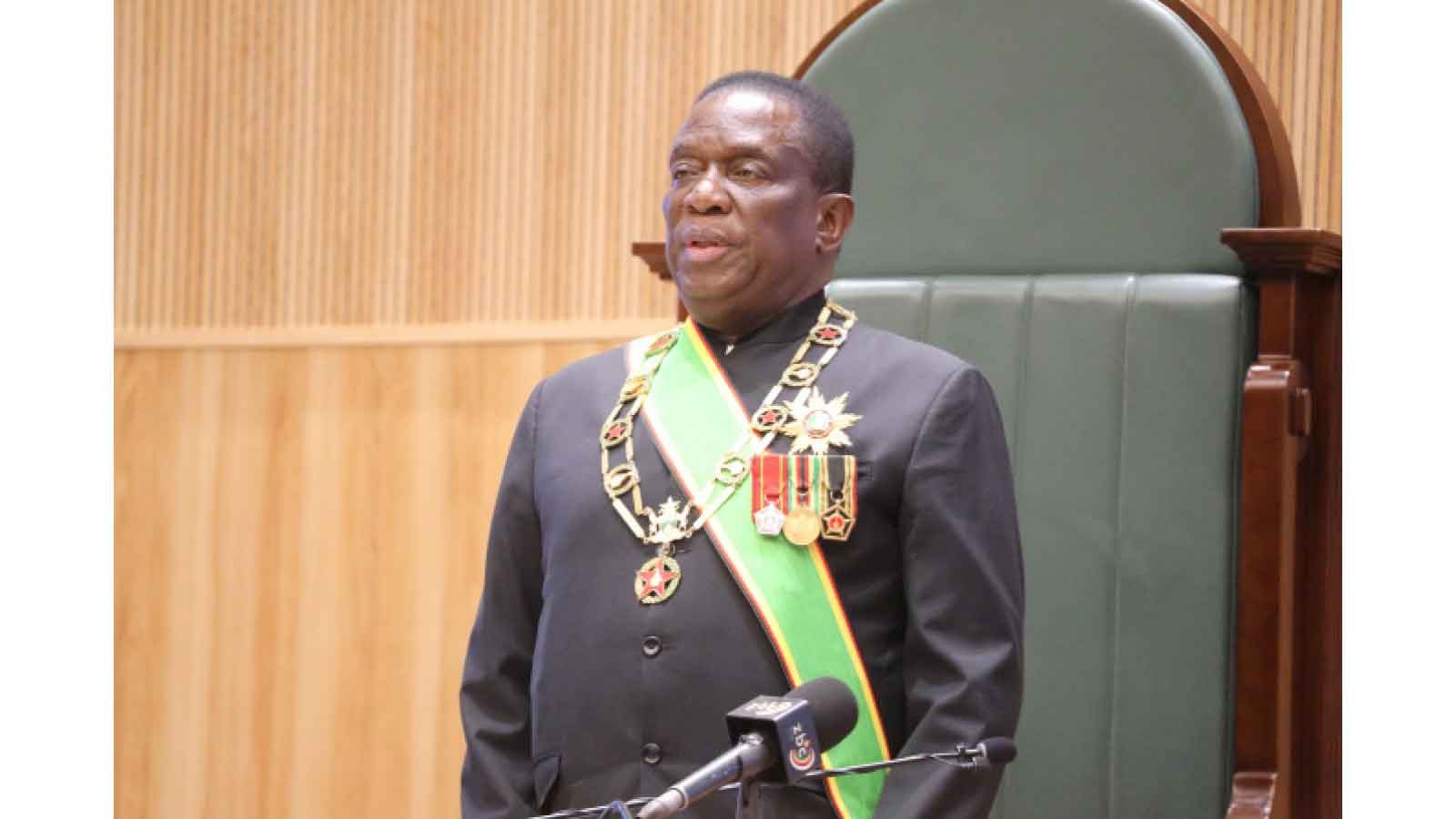
Deputy Chief Secretary in the Office of the President and Cabinet, Mr George Charamba, took to X to set the record straight on the repatriation process, extensively citing the mandatory profiling step that has slowed the return of citizens.
“South African media reports make it plain the delay to repatriation owes to the pace of processing on the South African side. It is so clear,” Mr Charamba said. He explained that NGOs assisting with housing are stepping in because the South African government is “overstretched.”
Mr Charamba detailed the mandatory procedure that all returnees must undergo. “Why do host countries profile returnees? Each time a host country is processing returnees from another country, there is a process called profiling. It entails checking personal data of the returnee against the host country’s national data bank to ensure the returnee has no crime issues in the host country. This is a security process which only the host country undertakes.”
He emphasised that until South Africa completes this process, the returnees remain under their jurisdiction.
“Until those Zimbabweans are handed back to our consulate, they remain the responsibility of the South African authorities… The receiving State can only hope this process moves fast, lest it’s construed as trying to aid and abet cross-border crime.”
Addressing concerns directly, Mr Charamba rejected any suggestion that the Zimbabwean government was failing its citizens.
“Zimbabwe Government has and remains responsible for all the movement of Zimbabweans back home. No one else is doing that. Government is aware of its consular responsibilities which it discharges with honour.”
He noted the logistical challenges posed by the scale of the situation and the panic among returnees.
“With nationalities and numbers involved one can only imagine how overstretched the South African authorities are. Also, the last-minute panic by returnees does not help matters at all,” he added, urging the public to understand the complexities involved.
The situation on the ground remains tense. Hundreds of Zimbabweans have been camping outside the consulate in Cape Town, with some having spent nights on the pavement before being moved to a repatriation centre to facilitate processing.
Humanitarian organisations have warned of a worsening situation, citing health risks due to overcrowding and exposure to cold and rain.
The Government, with support from partners has already facilitated the return of multitudes of citizens since the beginning of June, with buses transporting returnees through the Beitbridge border post.
South Africa’s government has spoken out against vigilante groups enforcing immigration law, saying that this must be left to the authorities.