admin
admin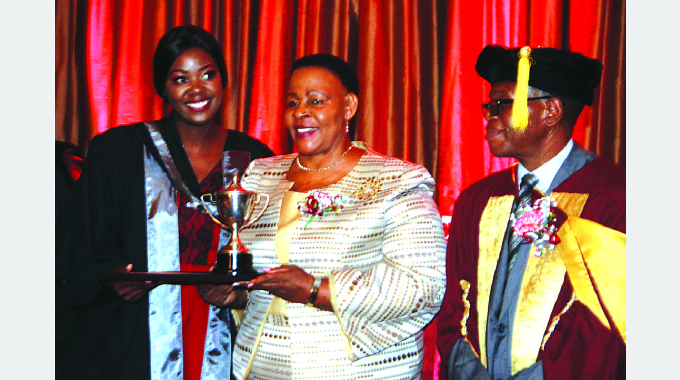
Ivan Zhakata and Tina Musonza
ZIMBABWE is focused on developing counselling skills and approaches in the local context to deal with societal challenges like child marriages and alcohol and substance abuse.
This was said yesterday by Senate president, Cde Mable Chinomona at the Connect-Zimbabwe Institute of Systemic Therapy’s 24th graduation ceremony in Harare.
Over 110 students received diplomas and advanced diplomas in systemic family counselling and family therapy.
Cde Chinomona said counsellors across the country should familiarise themselves with legal frameworks to secure the country’s own cultural norms and values.
She said the familiarisation will ensure quality service delivery for locals in sync with the mantra, “leaving no one and no place behind”.
“I want to implore you counsellors to please familiarise yourselves with legal frameworks that guide child protection and safeguarding, mental health delivery, and people with disabilities and gender protocols,” she said.
“These are put into place by the Government of Zimbabwe to ensure quality service delivery for our nationals, with the strong intention of leaving no one behind.
“It is, therefore, my fervent wish to see Connect broaden its landscape to impart counselling skills to both the public and private sectors so as to bring about this gift of calmness and harmony in all spheres of our society.”
Cde Chinomona said Zimbabwe was committed to securing cultural norms and values to maintain peace at national level.
Connect executive director Mr Dennis Mudede said the graduates will work with individuals and families experiencing social challenges.
“In our society, we have issues to do with drug and substance abuse, stress, suicide, gender-based violence,” he said. “They are trained to work with all mental health issues.
“The impact to our society is quite significant because in Zimbabwe counselling is now a regulated profession so we know we now have a group of licenced counsellors and family therapists who can get employed or open their own private practices.”
The graduates expressed happiness over the newly acquired skills.
Mrs Teckler Magombedze said: “I am going to help people, especially men that are living in families because when they are stressed out, they do not talk because of the pride of being a man.”
Mrs Doreen Ncube said issues of substance abuse that had taken the youths by storm needed to be addressed. “Some will resort to drugs and we will end up having issues like teenage pregnancies,” she said.



 Online Reporter