Online Reporter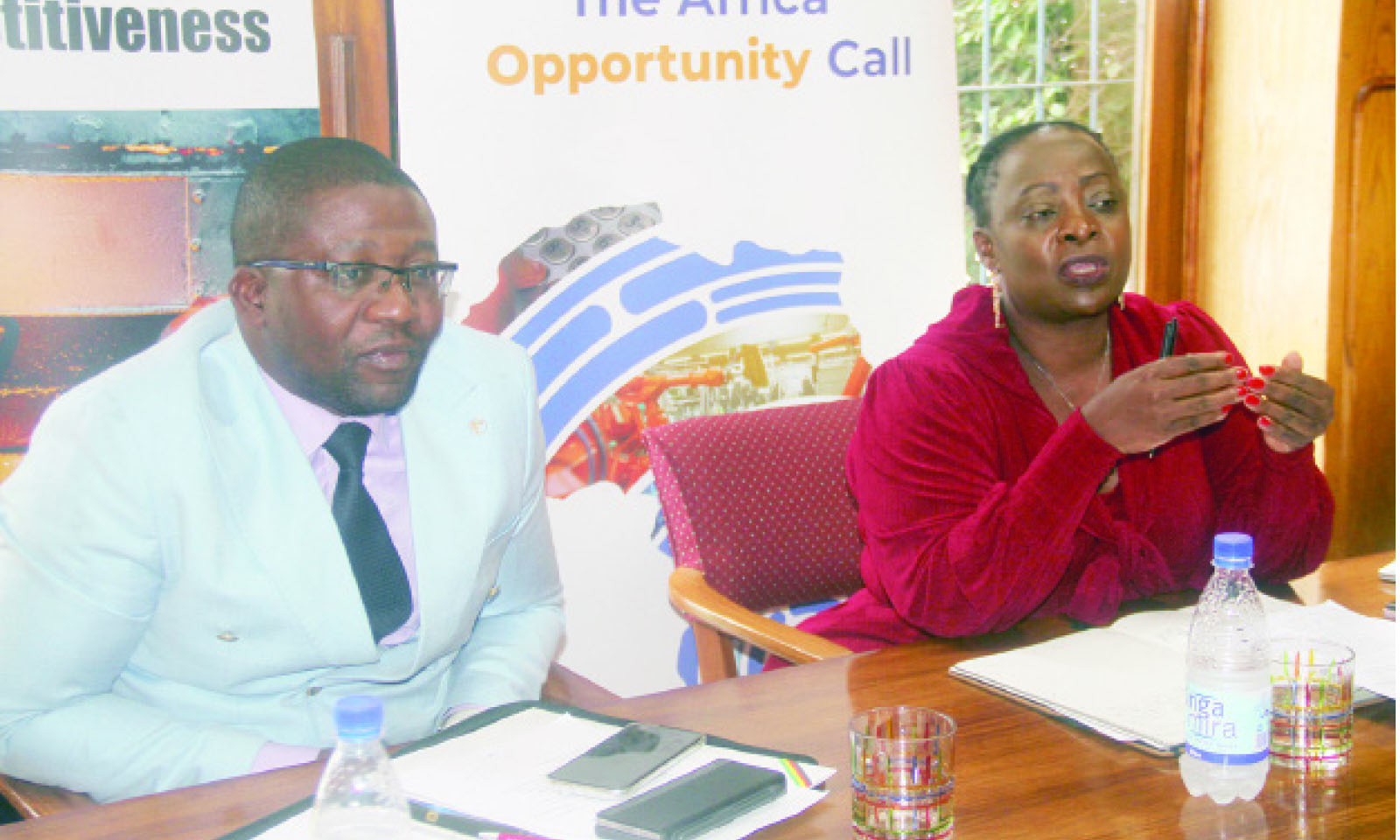
Joseph Madzimure
Senior Reporter
ZIMBABWE is advancing towards a private sector-led economy, with the business community pledging to collaborate with the Government on economic policies.
The initiative follows the signing of Memorandums of Understanding (MoUs) with various Business Management Organisations (BMOs) aimed at enhancing cooperation to create a robust and sustainable business environment.
The country’s goal is to achieve an upper-middle-income society by 2030, guided by the National Development Strategy 1 (NDS1), which is set to transition to NDS2 after its expiration this year.
Industry and Commerce Minister Mangaliso Ndlovu emphasised Government’s commitment to working closely with the private sector at an engagement with business representatives on Wednesday.
“This is all about reviewing the engagements that are critical in facilitating the partnerships,” said Minister Ndlovu.
“Our engagements were cordial as they set the tone for more cooperation, riding on the existing relationships, as well as the MoUs that were signed recently.
“The purpose was also to review them for the benefit of all parties.”
Government plans to launch NDS2 this year, which is expected to further the Vision of realising an upper-middle-income society by 2030.
Minister Ndlovu noted the significance of the MoUs signed last year, stating that they created an engagement framework that allows consistent collaboration with the business sector.
“Today, I was meeting with BMOs together with the sub-sectors just to get an update on where we are and the implementation of the industrial reconstruction and growth plan,” he said.
“We want to have a policy framework that speaks to each other and aligns with business interests.”
The Government is hopeful that the private sector will consolidate its economic development goals, facilitating a stronger partnership that can drive growth.
Confederation of Zimbabwe Industries chief executive officer Ms Sekai Kuvarika echoed this sentiment, emphasising the need for mutual understanding between the business community and the Government.
“The business community is there to work with the Government, and what we are doing today is to further explore engagements,” said Ms Kuvarika.
“We shall continue to find each other based on the need to boost relationships and focus on economic growth.”
Buy Zimbabwe’s general manager, Mr Alois Burutsa, highlighted the importance of consolidating these engagements to ensure fruitful outcomes.
“A lot needs to be done to consolidate these engagements because we find them to be fruitful and cordial,” said Mr Burutsa.
“We are committed to upscale the ties and focus on the job at hand, which is to review cooperation, identify loopholes, and focus on the way forward.”
This collaborative effort is crucial as Zimbabwe aims for significant economic growth.
The private sector is projected to contribute to achieving a six percent growth rate by year end. This growth is essential for enhancing the nation’s economic stability and prosperity.
The commitment from the Government and the business community signals a positive trajectory for Zimbabwe’s economy.
As the two parties work together under the frameworks established by the MoUs and the national development strategies, economic commentators say there is hope for a more resilient and prosperous economic future, aligning with the vision of an upper-middle-income society by 2030.
The ongoing dialogue and cooperation are expected to be pivotal in addressing challenges and leveraging opportunities for sustainable growth.