

 Online Reporter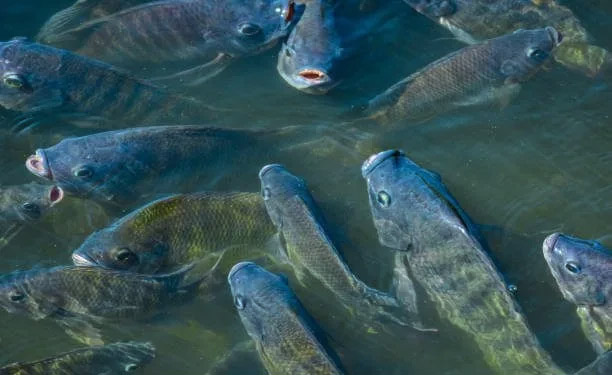
Edgar Vhera
Agriculture Specialist Writer
WORRIED by citizens’ low fish protein intake, Government and the private sector have started investing in fisheries and aquaculture to increase the gross value of fish production from the current US$49 million to US$68 million by 2030.
Notwithstanding the low fish protein consumption per capita, the rise in fish product imports has become a worrisome trend. Statistics from the Zimbabwe National Statistics Agency (ZimStats) show that the country imported US$21 million of fish products in 2023 and the same amount last year.
Zimbabwe imports live fish, herrings, sardines, sardinella, mackerel, hake, cod, tunas, and other fresh and dried fish products, among others. The country’s new agriculture roadmap, the Agriculture Food Systems and Rural Transformation Strategy 2: 2026-30 (AFSRTS 2), which replaces the AFSRTS 1 that ends this year, disclosed that the gross value of fish production will rise 37 percent from US$49,300,000 in 2025 to US$67,500,000 by 2030.
“The Presidential Community Fisheries Scheme, which is aimed at promoting fish farming and aquaculture in rural communities for both protein and commerce, and ongoing stocking of dams will improve tilapia availability,” read AFSRTS 2.
The Presidential Fisheries Scheme facilitates the stocking of two fish ponds per site with 2 000 fingerlings for each Village Business Units (VBUs), School Business Units (SBUs), and Youth Business Units (YBUs), as the first component.
It also aims to stock dams for rod fishing as well as commercial cage fishing by communities and the private sector in dams.
“Construction of Tilapia fisheries breeding facilities has been completed at Henderson, Makhoholi, and Matopos, while preparations are in progress for the installation of solar-powered water supply systems on these sites.
“Chipinge and Lupane will also have breeding sites established,” read the AFSRTS 2 report.
Government and the private sector have established fingerling breeding sites at Lake Harvest, Kariba Bream Farm, RADCO, Toppick, Jayrop, Zimbabwe Catfish Growers, Spring Glory, Hatchpro, Holy Cross, and Tawena.
Combined estimates for all the breeding sites put their capacity at 12,525,000 fingerlings per year against a target of 30,000,000.
A total of 99 dams, 382 VBUs, and 1,342 ponds have been stocked to date, while eight of the country’s provinces have harvested 35.85 tonnes of fish.
Two national fish breeding sites will be established, while five fingerling hubs will be operational in provinces, according to AFSRTS 2. Fisheries are a key source of nutrition, livelihood support, and contribute significantly to food security.
However, cage production by large growers faces many hurdles, stemming from unsustainably high feed costs, low productivity, and cheap imports.



