Online Reporter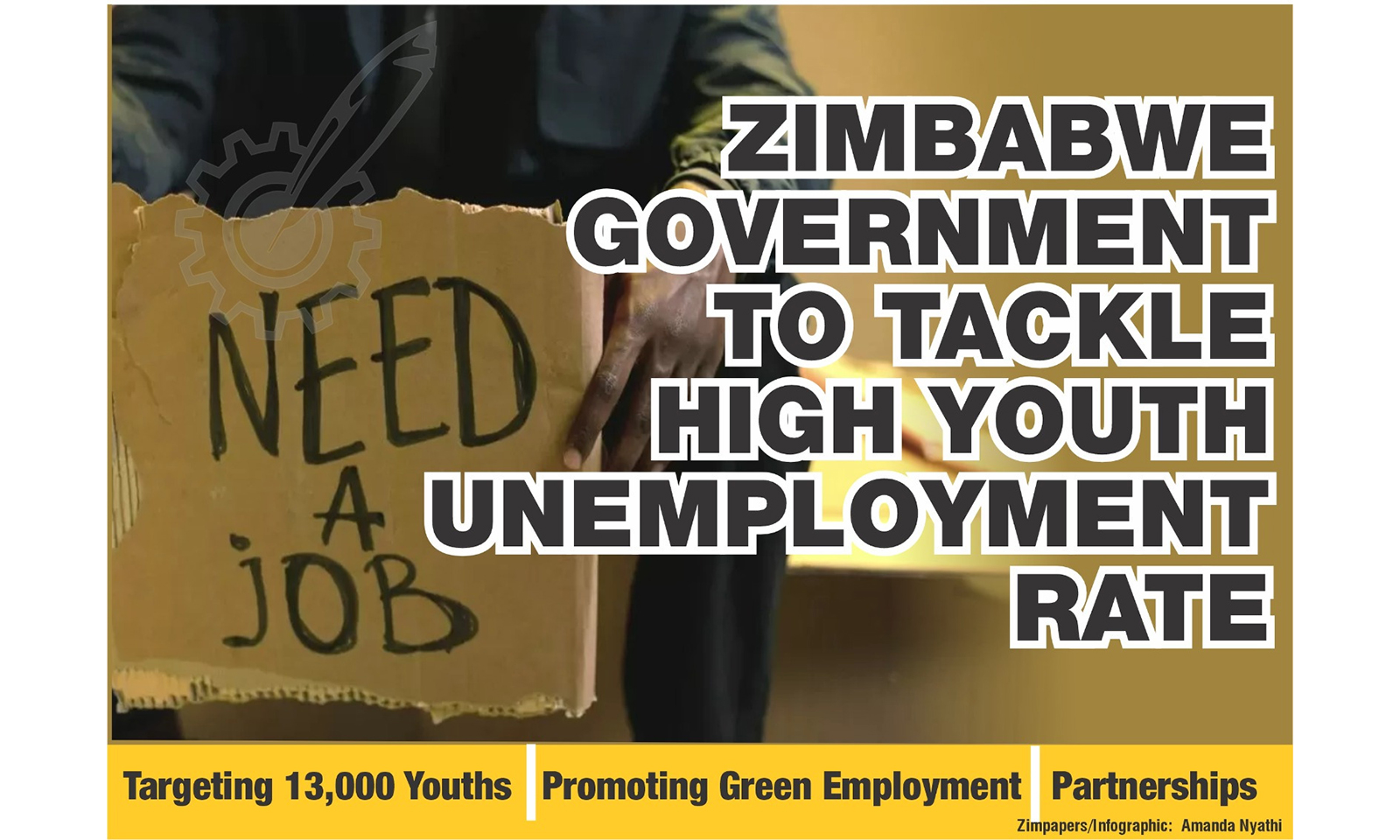
Remember Deketeke and Anesu January
The Government on Wednesday launched Phase II of the Youth Employment and Entrepreneurship (YEE) Project, a strategic initiative designed to tackle the country’s youth unemployment rate by turning Zimbabwe’s vast youthful population into a driving economic force.
Speaking at the official launch in Harare, Permanent Secretary in the Ministry of Youth Empowerment, Development and Vocational Training, Mr Solomon Mhlanga, described the project as a critical step in the Government’s efforts to create inclusive, sustainable and decent work opportunities for the nation’s youth.
“Today’s launch is not merely a project event, it is a strategic milestone in the Government’s journey to create inclusive, sustainable and decent work opportunities for the youth who constitute 67 percent of the population of Zimbabwe,” he said.
“And this event, I can say, clearly demonstrates the power of working with partners, because we realised that as a Government, it is not only our problem, it is everybody’s problem, starting from the family.”
The YEE Project Phase II will be implemented over the next four years and is backed by a grant agreement worth SEK 30 million (approximately US$2.3 million).
It is led by Stichting Nederlandse Vrijwilligers (SNV) in partnership with the Government of Zimbabwe, with support from the governments of Sweden and Switzerland.
The project targets 13 000 young people in five provinces: Harare, Manicaland, Bulawayo, Matabeleland South, and Mashonaland East.
It aims to improve the livelihoods and economic prospects of Zimbabwean youth by promoting “green” employment and entrepreneurship in agri-food systems, renewable energy and other emerging sectors.
He applauded SNV and funding partners for helping demonstrate practical, on-the-ground approaches to youth empowerment and stressed the need for a collective mindset shift to unlock the country’s full potential.
“The Government has realised that the issue of youth empowerment cannot be dealt with by one agency alone,” he said.
“We want funding partners, we want the private sector, and youth themselves, their families, for us to be able to deal with the problem.”
Speaking at the same event, Mr Dag Sundelin, head of development cooperation at the Swedish Embassy in Zimbabwe, said Sweden was proud to support the initiative as part of its broader focus on inclusive economic development.