Theseus Mauruki Shambare
Herald Correspondent
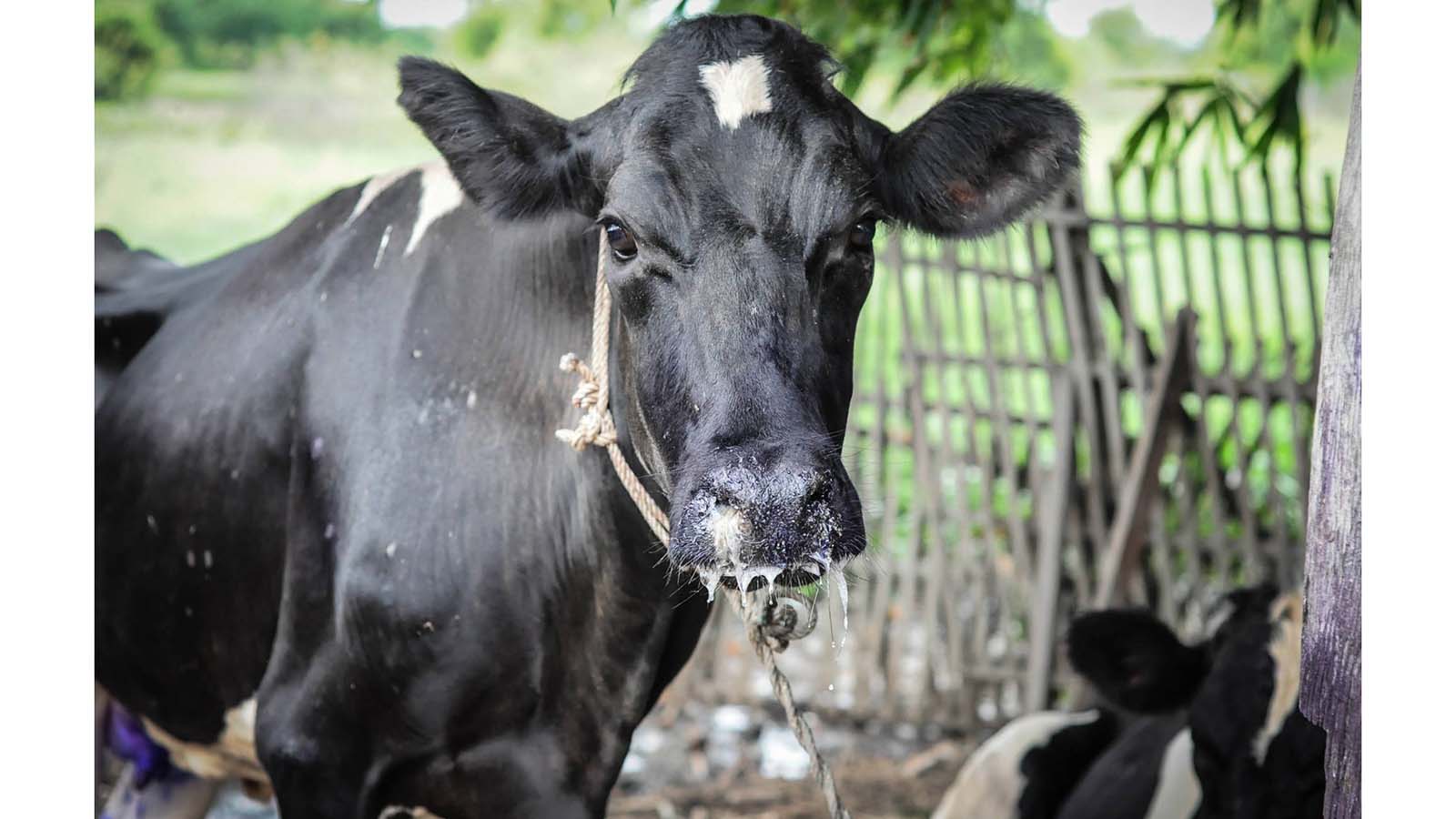
ZIMBABWE requires at least 1,2 million Foot and Mouth Disease (FMD) vaccine doses to contain outbreaks threatening livestock production, food security and regional cattle trade, a senior Government official has said.
This comes as Southern African countries intensify regional cooperation to control transboundary animal diseases amid growing concerns over climate change, wildlife interaction and increased livestock movement across borders.
Permanent Secretary in the Ministry of Agriculture, Mechanisation and Water Resources Development, Professor Obert Jiri, said Zimbabwe continues to experience isolated outbreaks of FMD, particularly in high-risk livestock zones.
“Zimbabwe continues to experience isolated Foot and Mouth Disease outbreaks affecting livestock production, food security and trade,” said Prof Jiri ahead of the high-level SADC Ministerial Meeting in Victoria Falls scheduled later this week.
“A major challenge remains vaccine availability, with Zimbabwe requiring about 1,2 million doses to adequately cover high-risk zones.”
Foot and Mouth Disease is a highly contagious viral disease affecting cloven-hoofed animals such as cattle, goats, sheep and pigs.
Although the disease rarely affects humans, it causes severe economic losses through livestock deaths, reduced productivity and restrictions on domestic and international trade.
Zimbabwe’s cattle industry remains a critical economic and livelihood pillar, especially in rural communities where livestock ownership is closely linked to household income, draught power and food security.
The Government has since intensified disease control measures to limit further spread. Prof Jiri said authorities have implemented livestock movement controls, quarantine measures, intensified surveillance and awareness campaigns in affected communities.
One of the major transmission risks continues to be wildlife-livestock interaction, particularly in areas bordering national parks and conservancies where buffalo populations act as reservoirs for the disease.
Areas around Save Valley Conservancy, Hwange National Park and Chizarira are among the zones under close monitoring.
“To address this, Zimbabwe is strengthening fencing programmes, including cordon fences around key wildlife areas such as Hwange and Chizarira, while maintaining existing infrastructure such as the 192km fence near Gonarezhou,” said Prof Jiri.
Zimbabwe is also engaging international vaccine suppliers and research institutions to strengthen disease management systems.
Government is working with Biogénesis Bagó of Argentina on vaccine supply arrangements, while vaccine matching studies are being conducted with The Pirbright Institute in the United Kingdom.
The country is participating in the Progressive Control Pathway for FMD, a global framework used to help countries progressively reduce and eliminate the disease.
Zimbabwe is currently at Stage One of the programme and aims to advance to Stage Two through improved surveillance, vaccination and regional coordination.
Regional cooperation is increasingly becoming central to disease control efforts as livestock movement across borders continues to heighten transmission risks.
Prof Jiri said Zimbabwe had already undertaken joint vaccination campaigns with Botswana while strengthening cooperation with Mozambique and other neighbouring countries.
Livestock experts warn that failure to contain FMD outbreaks could undermine efforts to rebuild regional cattle exports and destabilise rural livelihoods.
The disease also poses a major threat to efforts aimed at transforming livestock production into a commercially competitive sector under Zimbabwe’s Vision 2030 agenda.
As Sadc countries meet to deliberate on regional food systems and agricultural resilience, animal disease control is expected to dominate discussions alongside climate-smart agriculture, irrigation expansion and food security reforms.