Online Reporter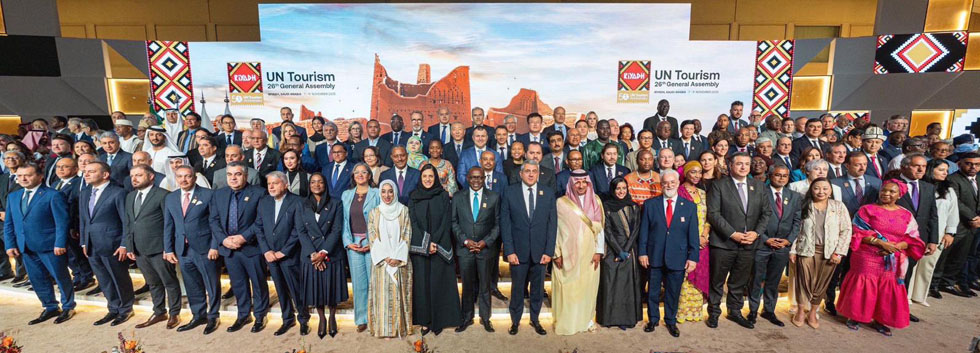
Liberty Dube
Tourism Correspondent
ZIMBABWE, the land of majestic waterfalls, warm-hearted people, and endless natural beauty, is basking in global recognition.
In what can only be described as a proud moment for the nation, Zimbabwe has scored another milestone by being elected as one of the vice presidents of the 26th UN Tourism General Assembly held in Riyadh, Saudi Arabia alongside Nigeria.
The milestone has come hardly a month after Forbes recognised Zimbabwe as the World’s Best Country to Visit in 2025.
This global acknowledgment celebrates, not only Zimbabwe’s breathtaking landscapes — from the thunderous Victoria Falls to the tranquil shores of Lake Kariba, from the mysterious Great Zimbabwe ruins to the wildlife-rich Hwange National Park — but also the nation’s growing reputation for peace, hospitality, and cultural vibrancy.
These two monumental achievements have placed Zimbabwe firmly on the world tourism map, showcasing the country’s renewed global presence and its determination to lead from the front in sustainable tourism and international cooperation.
Such recognition is more than just a title; it is a reflection of Zimbabwe’s resilience, creativity and the unwavering efforts of its people and leadership to tell their own story.
Under the Second Republic’s visionary policies of “Engagement, Re-engagement, and Being Open for Business,” the nation is positioning itself as a competitive, welcoming, and sustainable destination for travelers from every corner of the world.
For Zimbabwe, these back-to-back global accolades — the Forbes recognition and the UN Tourism Vice Presidency — mark a turning point in the nation’s tourism journey. They are a validation of the country’s deliberate, people-driven development efforts and its readiness to reclaim its place among the world’s top destinations.
Tourism and Hospitality Industry Minister, Honourable Barbra Rwodzi successfully chaired the Fourth Plenary Session of the 26th UN Tourism General Assembly in Riyadh, Saudi Arabia.
The Assembly focused on the Proposal by the Dominican Republic for the Institutionalisation of the UN Tourism Africa and Americas Summit (CAF–CAM) and the creation of a Mechanism for South–South Cooperation.
This proposal, overwhelmingly supported by member states, aims to institutionalise the CAF–CAM Summit as a permanent platform for high-level political dialogue, technical collaboration and systematic follow-up on tourism commitments between Africa and the Americas.
Zimbabwe’s prestigious appointment is, not only a mark of confidence in Zimbabwe’s leadership, but also an opportunity for the country to influence global tourism policy, champion sustainability and promote Africa’s tourism agenda on the international stage.
The Assembly also made history by electing Ms Shaikha Nasser Al Nowais as the new Secretary-General of UN Tourism, marking the first time a woman has held this esteemed position since the organisation’s inception.
Her election symbolises a new era of inclusive, innovative, and transformative leadership in the global tourism community — one that resonates with Zimbabwe’s own vision for a fair, sustainable, and people-centered tourism industry.
The Summit’s agenda aims to strengthen cooperation between Africa and the Americas, with a particular focus on promoting digital transformation, developing sustainable tourism products, and fostering inclusive economic growth.
It will also work to preserve cultural heritage, support creative industries, and enhance human capital development — all vital elements for a more resilient tourism sector.
Minister Rwodzi, in her address, commended member states for their unity of purpose and collective vision in advancing Africa–Americas collaboration under the UN Tourism framework.
She emphasised that Zimbabwe’s participation and leadership role reflect the nation’s broader commitment to regional integration, knowledge exchange, and sustainable development across the Global South.
This leadership role provides Zimbabwe with a strategic platform to advocate for African priorities — from sustainable tourism and environmental protection to digital innovation and community empowerment. It cements the country’s position not just as a destination of natural beauty, but also as a thought leader shaping the global tourism agenda.
As the sun sets over the granite domes of Matobo Hills, as the mist from Victoria Falls rises like a dream, and as tourists wander through Harare’s art galleries, the ancient ruins of Great Zimbabwe, and the majestic heaven-on-earth Eastern Highlands, it is evident that Zimbabwe’s beauty is timeless, and its potential is limitless.