Siphakeme .Mnindwa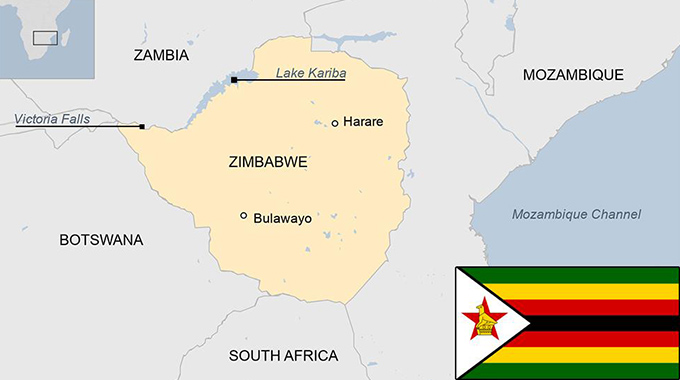
Mashudu Netsianda, [email protected]
WHILE Zimbabwe boasts a rich cultural and spiritual heritage, much of its tourism potential remains underutilised, particularly in hidden gems such as sacred sites steeped in mystery and legend.
Tourism isn’t just about destinations, but also stories, identity and mystery. Zimbabwe has several places that are appealing to both domestic and international visitors seeking unique and immersive experiences. By harnessing the allure of mystery tourism, Zimbabwe can unlock a lucrative niche market that blends cultural heritage, adventure and spirituality.
Mystery tourism revolves around travel to destinations associated with myths, legends and unexplained phenomena. This form of tourism thrives in locations shrouded in legend, spiritual significance and historical narratives yet to be fully explored.
Zimbabwe has renowned sites like Great Zimbabwe, the Eastern Highlands and Victoria Falls, among others, which dominate the country’s tourism landscape.

However, there are sacred and probably lesser-explored places that hold the key to the country’s untapped tourism potential.
One such site is the Dulivhadzimu Gorge, a place of deep mystery and legend along the Limpopo River. Tucked away in Beitbridge, Dulivhadzimu, meaning “place of the gods” in the widely spoken Venda language, is revered by local communities, who believe it is home to supernatural forces. The valley is shrouded in mystery and legend. Stories of eerie sounds and unexplained happenings have been passed down through generations. Despite its cultural and historical significance, it remains largely undeveloped as a major tourist attraction. It’s an ideal location for mystery and adventure tourism.
Matobo Hills, a United Nations Educational, Scientific and Cultural Organisation (Unesco) World Heritage Site, is renowned not only for its breath-taking rock formations but also for its spiritual importance to the Ndebele people. The site is believed to be a conduit between the living and the ancestors. Expanding nocturnal spiritual tours, storytelling sessions, and ancestral rites exhibitions could boost tourism in this place.
Located just outside Harare, Domboshava Caves is home to granite formations and ancient rock paintings dating back thousands of years. These are believed to hold spiritual significance for local communities, and enhancing their visibility through guided mystery tours could attract more visitors.

Khami Ruins, located on the outskirts of Bulawayo, is another Unesco World Heritage Site linked to legends of hidden treasures and unconfirmed historical connections, making it a compelling attraction for mystery and adventure seekers. Khami Ruins are the remnants of a once-thriving civilisation.
Dubbed Zimbabwe’s most mysterious mountain, Nyangani is the highest mountain in the country at 2,592 metres. The mountain, which is located within Nyanga National Park in Manicaland Province, has countless legends of disappearances and supernatural occurrences. Many believe it is inhabited by spirits, making it a perfect destination for adventure and mystery tourism.
Chinhoyi Caves in Mashonaland West Province, which are known for their deep, crystal-clear blue waters, have long been considered sacred. Some believe they house spirits or supernatural beings, making them an intriguing site for spiritual retreats and mystery-driven tourism.
Located about 25 kilometres east of Shangani in Matabeleland South Province, the lesser-known Naletale Ruins have enigmatic carvings and symbols whose meanings remain largely unknown. Developing immersive tours that explore theories surrounding their origins could captivate tourists.

While already a major historical attraction, incorporating mystery-based narratives about its lost civilisation and unconfirmed historical accounts, the Great Zimbabwe Ruins can add a layer of mystique that enhances visitor engagement.
Fort Tuli, a historic site in Gwanda District located near the Zimbabwe-Botswana border, was a strategic military base during the colonial era. It is surrounded by myths of lost treasures and ghostly sightings, making it a compelling location for history and mystery enthusiasts.
The Mavhuradonha Wilderness Area, which is situated in Mashonaland Central Province, is a rugged and remote landscape said to be inhabited by ancestral spirits. The name “Mavhuradonha” translates from the Shona language as “dripping water,” describing the delicate rain that sometimes descends on the slopes of the nearby mountains. Legends speak of strange occurrences and hidden sacred shrines, making it an excellent destination for cultural and mystery tourism.
Mberengwa Sacred Mountains in the Midlands Province are believed to be inhabited by ancestral spirits and have long been a place of prayer and ritual ceremonies. Locals share stories of strange voices and apparitions, which could be marketed as part of a spiritual tourism package.

Chirinda Forest and the Big Tree in Chipinge District, Manicaland Province, is home to the country’s oldest and tallest indigenous tree. The Big Tree is the tallest indigenous tree in Zimbabwe, standing 65 metres tall and 4.5 metres wide, with an estimated age of 1,000 years. The forest holds cultural significance among local communities, who believe it harbours ancient spirits. Guided mystery tours focusing on its legendary past could enhance its appeal.
There are many more sacred sites with untapped mystery tourism potential dotted across the country. The list is endless.
From a global perspective, places like Machu Picchu in Peru and the Pyramids of Egypt attract millions due to their enigmatic appeal. Other countries have turned their myths and legends into thriving industries. Think of Scotland’s Loch Ness or Romania’s Bran Castle, which is linked to Dracula.
Kuldhara, an abandoned village in the Jaisalmer district of Rajasthan, India, is shrouded in mystery and haunted tales. Set in the 13th century in the expanses of the Thar Desert, the village was abandoned centuries ago. Now a ghost town, the place carries with it an eerie reputation, woven into local folklore and unsaid tales. Ghost tours, paranormal investigations, and haunted stories have attracted many tourists to Kuldhara.
According to the UN Tourism, cultural and heritage tourism contributes 40 percent of global tourism revenue, with sacred and mystery tourism being a growing segment.
In Africa, Ethiopia’s Lalibela rock-hewn churches and Ghana’s Cape Coast Castle draw thousands of tourists annually, highlighting the commercial viability of heritage and spiritual tourism. In Asia, Mount Kailash in Tibet is a prime example of sacred tourism, attracting both religious pilgrims and adventure seekers.
I believe Zimbabwe, with its deep spiritual traditions and mystical landscapes, has the potential to develop similar attractions by capitalising on its sacred places.
In Africa, cultural tourism remains underexploited, yet the continent is often celebrated for its rich cultural diversity, which it is not fully capitalising on. From the ancient Pyramids of Giza to the sacred Timbuktu manuscripts, Africa’s history is unparalleled. However, many of these heritage sites lack adequate protection and investment.
Countries like Egypt have successfully turned their history into economic gold mines with sites like the Pyramids of Giza. Ghana has also leveraged sites like Elmina Castle to connect with the African diaspora. Events like the Lake of Stars Festival in Malawi and the Cape Town International Jazz Festival celebrate Africa’s artistic diversity.
Sadly, Zimbabwe, like many African nations, continues to struggle with marketing its cultural heritage to the world. Could part of the problem be that local communities are not fully benefiting from tourism?
The African Union’s Agenda 2063 places tourism at the heart of the continent’s economic transformation, and the African Continental Free Trade Area (AfCFTA) aims to boost intra-African travel. But are these policies translating into real growth?
With challenges such as visa restrictions, poor infrastructure and security concerns, how can Africa position itself as a cultural tourism powerhouse?
According to the latest statistics from the Zimbabwe Tourism Authority (ZTA), international tourist arrivals surged by 62 percent in 2023, with over 1.4 million visitors recorded. The tourism sector contributed US$1.2 billion to the national economy, with cultural and heritage tourism playing a growing role. This highlights a strong demand for diversified tourism experiences, making sacred and mystery tourism a viable avenue for further growth.

At the height of Covid-19 in 2020, President Mnangagwa launched the National Tourism Growth and Recovery Strategy to re-capacitate the tourism sector, targeting a US$5 billion industry by 2025.
In line with the National Development Strategy (NDS 1 2021-2025), the Government undertook to develop the Tourism Satellite Account (TSA) to improve the accounting of the performance of the tourism sector.
The tourism sector embarked on an aggressive domestic tourism marketing drive following the launch of the ZimBho campaign in 2020, which helped improve domestic travel following a sharp decline in international tourist arrivals due to Covid-19. This campaign should embrace mystery tourism. To harness the potential of sacred sites fully, ZTA, working with other players in the tourism industry, can adopt various strategies, including thematic tours. These tours will offer curated mystery and spiritual tours that include guided storytelling, local myths, and ancestral practices. Tour operators can develop eco-spiritual retreats that combine spiritual enrichment, nature walks, and meditation in these sacred locations.

The idea of creating interactive experiences is another strategy. There is a need to utilise virtual reality and augmented reality to bring ancient legends and myths to life.
Hosting annual events such as cultural festivals at these sites, featuring traditional rituals, music, and storytelling, can help attract visitors interested in indigenous heritage. Involving local communities by integrating their knowledge and traditional practices into the tourism experience is another strategy that can help promote mystery tourism.
However, what is important to note is that despite its potential, sacred tourism must be developed with respect for cultural sensitivities and environmental sustainability. Relevant authorities must ensure that commercialisation does not erode the spiritual integrity of these sites. Proper regulation, community involvement, and conservation measures should be key to maintaining the authenticity of these attractions.
Zimbabwe stands on the brink of unlocking a new frontier in tourism by tapping into its sacred places. By blending history, mystery, and spiritual exploration, the country can diversify its tourism offerings, create employment opportunities, and boost local economies. With strategic planning, investment, and promotion, mystery tourism can become one of the country’s leading travel experiences, drawing inquisitive adventurers from all corners of the globe.
Countries like France, Italy, and China have turned their historical sites into multi-billion-pound industries, while Japan and Mexico have successfully merged heritage with modern tourism infrastructure. Digital innovation, such as virtual reality tours and interactive museums, has also helped boost visitor engagement.
Zimbabwe should take inspiration from these trends and create digital experiences around its sacred sites.



 Online Reporter