Online Reporter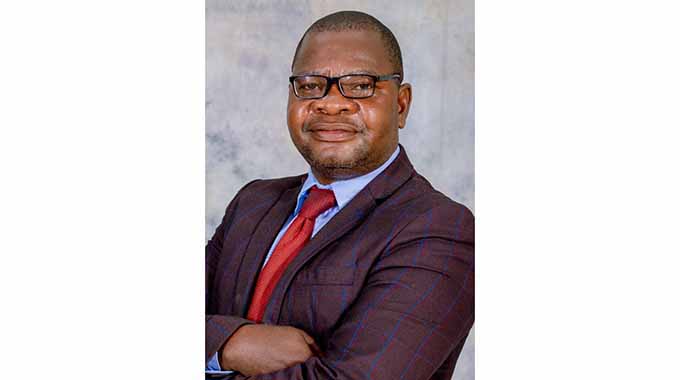
Precious Manomano
Herald Reporter
ZIMBABWE is intensifying efforts to contain the spread of Foot-and-mouth disease following increased outbreaks in neighbouring countries, with authorities calling for stricter livestock movement controls and enhanced surveillance.
Lands and Agriculture, permanent secretary Professor Obert Jiri said the country was under growing pressure as the disease continued to spread across the region.
“We are in a situation where we are surrounded by an up-scaled foot and mouth infection,” he said.
“South Africa and the whole country is really affected. We also have foot and mouth in Botswana, a more virulent serotype in Zambia. So really, Zimbabwe, we are under pressure from foot and mouth.”
Prof Jiri said Zimbabwe had already recorded cases locally, with Mangwe District among the areas affected, while sporadic outbreaks continued to emerge in different parts of the country.
“And we recently had to notify Mangwe as one of the districts that has been affected. And we continue to have sporadic reports of foot and mouth across the country,” he said.
He stressed the need to urgently protect the national herd and the broader livestock sector from further infections.
Authorities are banking on strong surveillance systems to monitor and respond to outbreaks, while implementing strict control measures to limit the spread of the disease.
“But going forward, we think that for Zimbabwe, our space is quite good, our surveillance is good. So we are looking at each area as we must do the surveillance,” he said.
He highlighted that uncontrolled livestock movement remains the biggest driver of the disease’s spread, prompting the Government to impose tighter restrictions.
“So livestock movements, we restrict in a big way. It is through the movement of livestock that foot and mouth is spread. So we really need to restrict livestock movement,” he said.
He also called for innovation in livestock marketing and exhibition, particularly at major platforms such as the Zimbabwe International Trade Fair, to minimise risks associated with physical animal movement.
“Of course, the digital showcasing is one aspect that we must also learn. We don’t necessarily need to see the live animal, but we can see it on a screen to be able to have the same satisfaction as we see it live,” he said.
Prof Jiri said embracing digital solutions will help ensure continuity in agricultural exhibitions while safeguarding animal health.
“So we really need to innovate in terms of how we can showcase at ZITF in the presence of foot and mouth and other diseases,” he said.
He emphasised that while the disease remained a persistent threat, Zimbabwe must remain vigilant through continuous surveillance and rapid response measures.