Online Reporter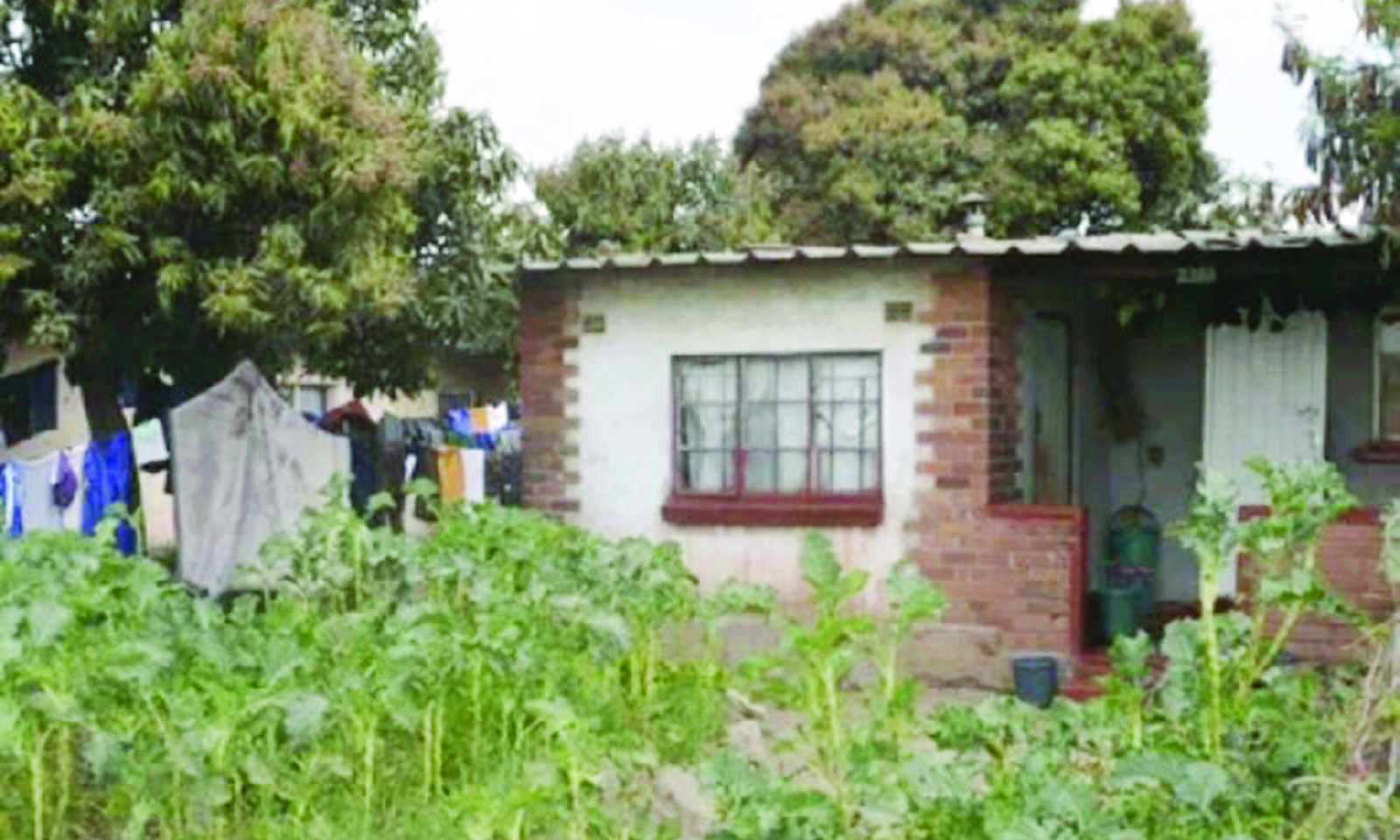
Langalihle Mhiti
Lifestyle Writer
A new lifestyle trend known as regenerative living is gaining popularity in Zimbabwe as citizens shift from basic sustainability to more impactful, community-driven practices that aim to restore the environment, improve mental well-being and promote responsible consumption.
Regenerative living, unlike traditional sustainability, goes beyond reducing environmental harm. It focuses on healing damaged ecosystems, reviving communities and restoring balance in both natural and personal spaces. The movement has become especially relevant in 2025, as Zimbabwe continues to face challenges such as deforestation, land degradation and water scarcity.
“Regenerative living is not a fancy foreign idea. It’s what we’ve always done as people it just needed a name,” said Mai Rudo, a vendor and community gardener in Mbare.
She runs a stall where she sells fresh tomatoes, onions and spinach all grown in a reclaimed patch of land between the blocks.
“We used to throw away food scraps. Now we make compost. This garden feeds five families,” she adds proudly.
In high-density areas like Warren Park, where space is limited, residents are finding innovative ways to grow food and reduce waste. Environmental advocate Tendai Mudzonga of Warren Park said the change in mindset is necessary.
“People are tired of being told to just consume less,” she said. “They want to actively participate in fixing what’s broken regenerative living is about action and impact.”
Across Harare and other cities, urban residents are adopting eco-friendly habits that give back to nature. Homeowners in suburbs like Marlborough and Chitungwiza are creating rooftop gardens, compost pits, and mini permaculture farms to grow food while improving soil health.
“I’ve turned my tiny backyard into an herb and vegetable garden,” said Tafadzwa Mavhunga, a 32-year-old vendor in Marimba.
“At first it was just to save money, but now it’s part of how I unwind after work. It gives me peace.”
Tafadzwa said she’s also part of a local WhatsApp group that shares tips on composting, water-saving and natural pest control.
“It’s more than a lifestyle. It’s a movement,” she adds.
Vendors are leading the change in areas where they reside. In the busy streets of Mbare Musika, some vendors are finding value in waste, creating reusable packaging and crafts.
For many vendors, regenerative living is both a necessity and an act of pride.
On the other hand, wellness and personal regeneration have also become part of the lifestyle shift. With mental health awareness growing, many Zimbabweans are seeking balance through digital detoxes, meditation, and nature-based routines.
Tariro Zinyama, a wellness coach, said that people are beginning to understand the value of rest.
“We’ve glamorised exhaustion for too long,” she said. “Now, the focus is on recovery people are gardening, walking, unplugging. They’re healing themselves while healing the Earth.”
Meanwhile, in Westlea, a more suburban area, balcony gardens and vertical planters are on the rise.
“My children now understand where food comes from,” said Patience Chingono, a mother of three. “We grow tomatoes, mint, and tsunga on our balcony. It’s small, but it’s ours.”
Patience, like many others in her neighbourhood, has joined a weekend community clean-up initiative that sorts waste, repurposes plastic, and promotes indigenous trees.
“We collect bottles and turn them into plant holders or even lanterns. Nothing is useless,” she adds.
Harare’s artists are also playing a role in spreading the message. In Mbare’s flats, vibrant murals painted on old walls depict themes of growth, healing, and community. These artworks, made using natural and recycled paints, have become a form of silent advocacy.
Local sculptor Tino Muchena, who runs a small workshop in Westlea, said, “Regeneration is not just about soil and crops. It’s also spiritual. My art reminds people of resilience.”
He carves figures from discarded wood, symbolizing rebirth and restoration.
The shift toward regenerative living isn’t just environmental it’s emotional and mental, too. The effects of stress, economic pressure, and urban congestion have pushed many to seek simplicity and balance.
Rutendo Mangwiro, a youth wellness advocate from Warren Park, said the trend is helping people rediscover joy in the basics.
“There’s healing in slowing down touching the soil, eating what you’ve grown, or walking to the market instead of driving,” she said.
“Regenerative living is a response to burnout. It’s not just about the Earth it’s about us.”
Despite the enthusiasm, residents cite challenges: lack of resources, poor waste management infrastructure, and limited access to clean water.
“Sometimes we don’t have enough water to sustain the garden during dry weeks,” said Mai Rudo in Mbare. “We end up using dishwater anything to keep it going.”
Government initiatives such as Pfumvudza and partnerships with NGOs are offering some support, but grassroots efforts continue to drive most of the momentum.
With the rise of community gardens, eco-crafts, balcony farming, and wellness groups, Harare is becoming a vibrant example of how urban populations can regenerate their living environments even in low-income settings. This provides a hopeful future
“We used to feel hopeless about pollution and poverty,” said Patience from Westlea. “Now we feel like we’re part of the solution.”
As the world looks for solutions to ecological and personal crises, Zimbabweans are proving that meaningful change starts at home with the simple, daily choice to leave the world better than we found it.
And as Harare residents are showing, regeneration begins with small, intentional acts turning a pile of scraps into compost, a plastic bottle into a planter, or a dusty patch into a green oasis



 Online Reporter