Online Reporter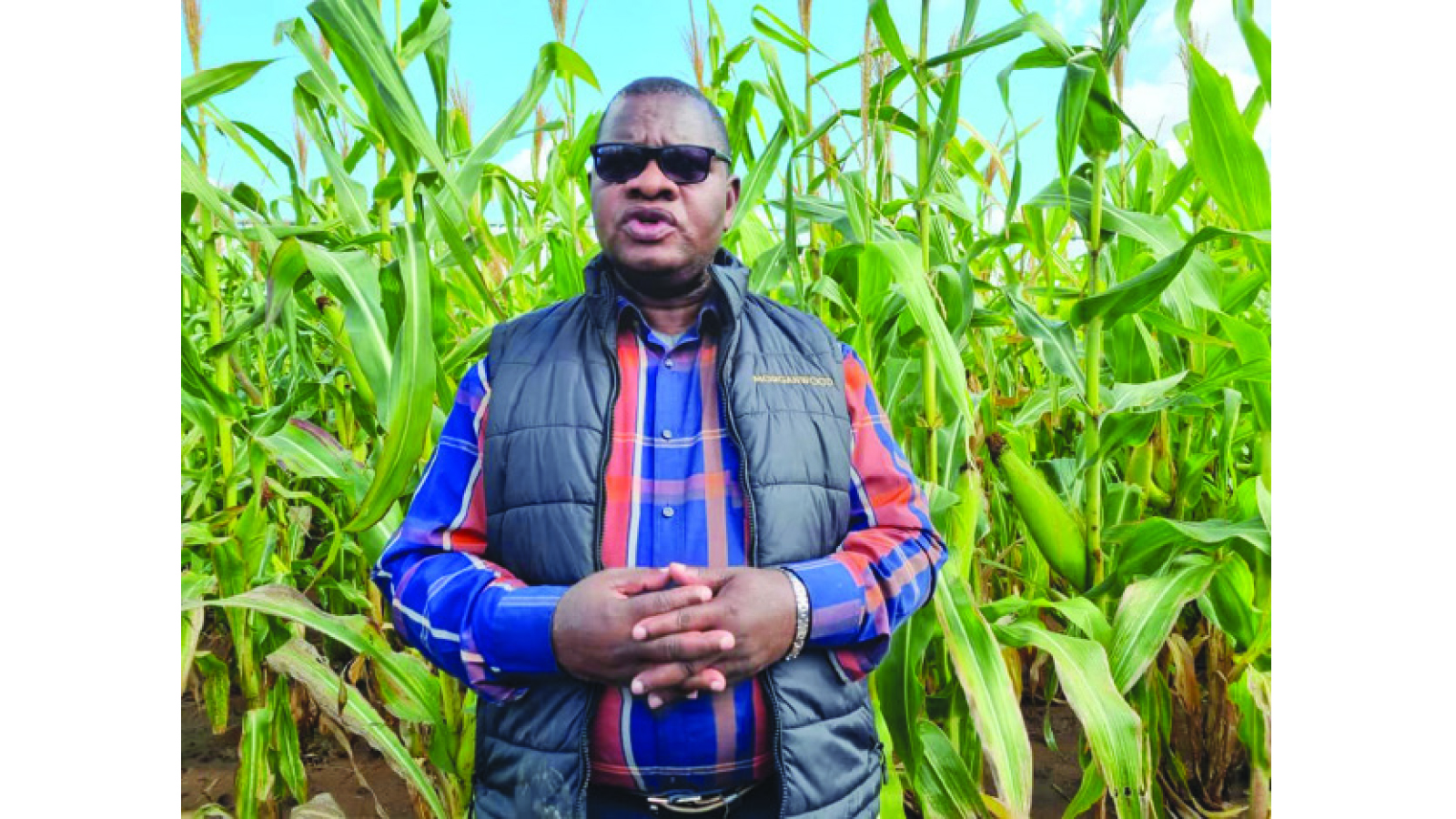
Precious Manomano
Herald Reporter
Statutory Instrument SI 87 of 2025, which mandates food processors to source all grain and oilseeds locally by 2028, will significantly reduce the country’s reliance on imports.
Lands, Agriculture, Fisheries, Water, and Rural Development permanent secretary Professor Obert Jiri emphasised the importance of this initiative in reshaping Zimbabwe’s agricultural landscape.
“We are at a pivotal moment in our agricultural policy. SI 87 is not just about sourcing locally; it is about empowering our farmers and ensuring that our country can stand on its own feet when it comes to food production.”
The regulation aims to bolster the Strategic Grain Reserve (SGR) by implementing a series of measures designed to enhance domestic agricultural production.
Starting in April 2026, food processors will be required to source at least 40 percent of their grain requirements from local producers, with this threshold increasing to 100 percent by April 2028.
This mandate is expected to create a reliable market for locally grown crops, incentivising farmers to increase production of key staples such as maize, traditional grains, soybeans, and sunflowers.
In addition to supporting local farmers, SI 87 also serves to protect them from the volatility of global markets.
The regulation stipulates that grain imports will only be permitted when domestic supplies are exhausted, which aims to curb speculative imports that have historically undermined local production.
“By prioritising local sourcing, we are not only ensuring food security but also safeguarding the livelihoods of our farmers,” Professor Jiri explained.
The restructuring of the Agricultural and Rural Development Authority (ARDA) is another component of this initiative.
ARDA is now tasked with contributing 850 000 tonnes of cereals annually to the SGR, reinforcing its role as the primary agency for food security in the nation.
This move is expected to provide a steady supply of grain, stabilising prices and minimising post-harvest losses.
As Zimbabwe aims for national grain self-sufficiency, the Government envisions increasing the SGR to 1,5 million tonnes by 2028.
Major investments are underway to modernise silo complexes and improve storage facilities, ensuring that the country can withstand climate-related risks and market disruptions.