Online Reporter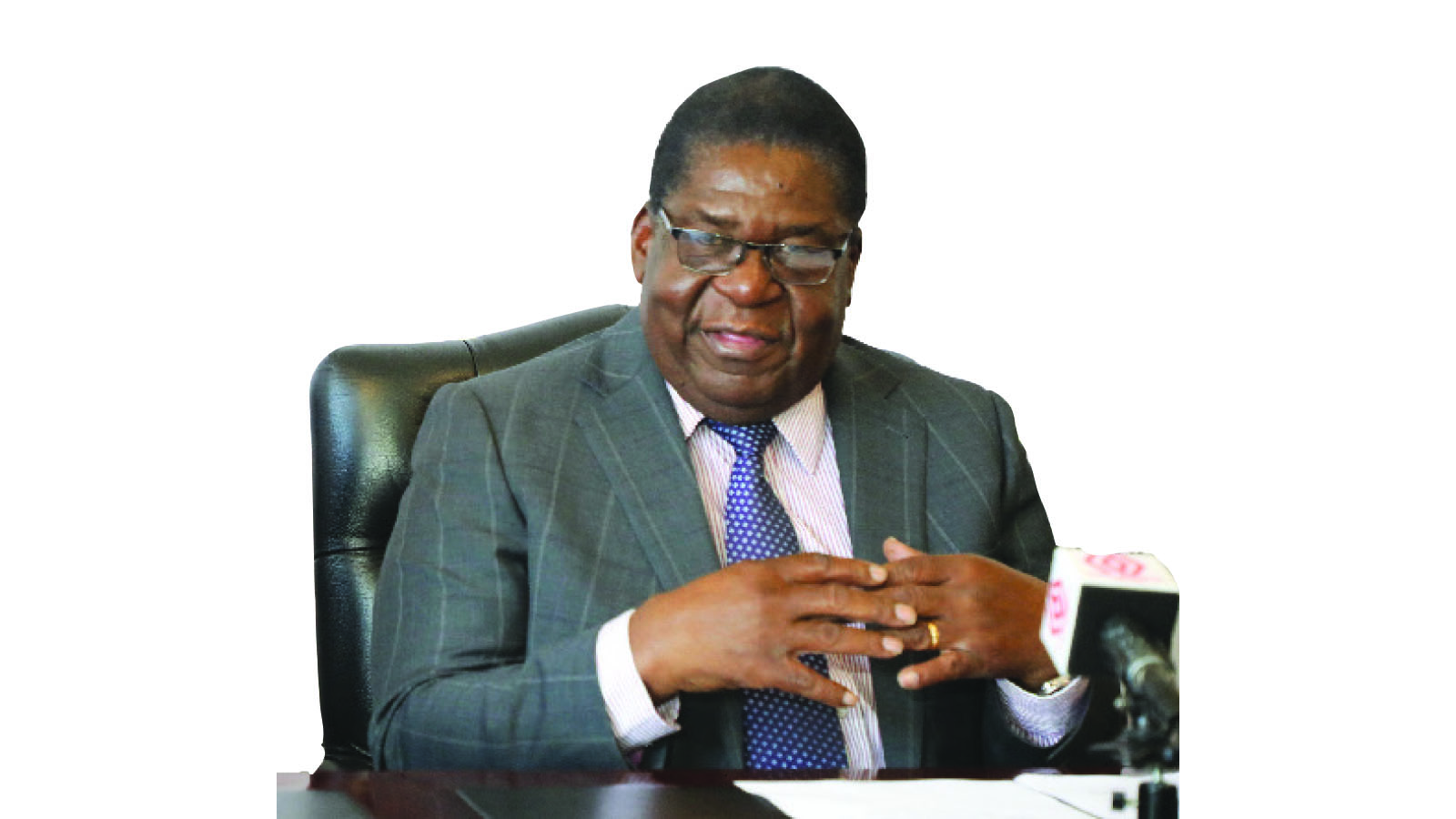
The 115th Zimbabwe Agricultural Show kicks off tomorrow. Organised by the Zimbabwe Agricultural Society (ZAS), the show marks 130 years of evolution. It has now grown to reflect the country’s socio-economic development. Zimpapers Agriculture News Editor ELITA CHIKWATI sat down with ZAS chief executive officer MR RUFARO GUNUNDU to discuss a wide range on issues.
********************
Q: Congratulations on your appointment as ZAS chief executive officer. Can you tell us a bit of the history of the society?
A: ZAS was founded in 1895 and stands as the country’s oldest and largest member-driven organisation. It was established by a visionary group of agricultural pioneers. The original mission was to organise an annual agricultural show to promote innovation, production and cooperation between rural and urban Zimbabwe. Over nearly 130 years, ZAS has evolved from its modest beginnings into a dynamic, multi-faceted institution that mirrors the country’s socio-economic development. Its flagship event, the Zimbabwe Agricultural Show, has grown into a national institution, celebrated not only for its agricultural focus, but also as a premier exhibition, educational and entertainment event that brings together Government, communities and businesses.
Q: What experiences and skills do you bring to this role that you believe will benefit the organisation and its stakeholders?
A: I received practical and professional training in agriculture and spent a greater part of my career in that field. I bring a wealth of experience in agribusiness, transformational leadership, as well as corporate and project management.
Q: What are your key objectives for the society over the next five years?
A: I am looking forward to develop and promote agriculture, particularly in rural areas, with special emphasis on technological advances.
There is also need to modernise the business hub infrastructure and benchmark it against worldclass facilities.
Expansion of revenue generating initiatives beyond the annual show to ensure the society’s sustainability and steady funding for its projects is also one of the major objectives. Lastly, ZAS has to develop strategic alliances with corporates, governmental and non-governmental entities that can support the society through resources, expertise and research.
Q: What do you believe are the pressing challenges facing the agriculture sector today and how can ZAS be part of the solution to the challenges?
A: The agriculture sector is facing multiple challenges, including climate change and erratic rainfall, limited access to finance, high input costs, weak market linkages and gaps in technology adoption.
There are also challenges around skills development, particularly for young farmers and smallholders.
The Zimbabwe Agricultural Society plays a catalytic role in addressing these challenges by creating platforms for knowledge sharing, promoting innovations in climate-smart agriculture, linking farmers with financiers and markets and advocating for policies that enhance competitiveness.
Through exhibitions, conferences and training initiatives, ZAS acts as a bridge between farmers, industry players, researchers and policymakers to drive sustainable solutions.
Q: How do you see the society contributing to Zimbabwe’s national agriculture agenda? And what initiatives will you prioritise to achieve this?
A: The society is an important partner in advancing Zimbabwe’s agricultural transformation agenda.
We contribute by aligning our programmes with Government priorities under the Agriculture and Food Systems Transformation Strategy.
Key initiatives include promoting mechanisation and technology adoption, fostering public-private partnerships and ensuring inclusive participation of women and the youth in agriculture.
ZAS also prioritises supporting value chain development, hosting knowledge exchange platforms such as the Agribusiness Conference and providing spaces at the Zimbabwe Agricultural Show for showcasing best practices and innovations that drive productivity and export competitiveness.
Q: What role do you envision for the society in supporting both smallholder and commercial farmers and how will you ensure their diverse needs are met?
A: ZAS recognises that smallholder and commercial farmers face different realities, yet both are critical to national food security and economic growth. For smallholders, the society focuses on access to extension services, input support linkages, training and market access.
For commercial farmers, the society provides high-level networking platforms, access to cutting-edge technologies and forums for policy dialogue and investment attraction.
By curating inclusive exhibitions, facilitating access to financial institutions and showcasing innovations, ZAS ensures that both smallholder and commercial farmers benefit meaningfully from its platforms.
Q: Can you update us on the preparations for this year’s agricultural show?
A: Preparations for this year’s Zimbabwe Agricultural Show are at an advanced stage, with strong participation from both local and international exhibitors across diverse sectors.
The society has been engaging stakeholders early, securing strategic sponsorships and ensuring that the infrastructure and logistics meet worldclass standards.
Emphasis has been placed on improving the visitor experience, from curated exhibitions to interactive demonstrations, digital innovations and farmer-focused dialogues.
Success will also be measured by the extent to which the show facilitates meaningful linkages among farmers, industry, investors and policymakers.
Q: What are some of the main highlights and attractions that visitors can expect at this year’s show?
A: Visitors can look forward to a variety of highlights, including livestock exhibitions showcasing Zimbabwe’s best genetics, cutting-edge machinery and mechanisation solutions, as well as demonstrations in horticulture, irrigation and renewable energy.
The show will feature knowledge-sharing platforms such as the Agribusiness Conference, the youth in agriculture sessions and field demonstrations on modern farming practices.
In addition, there will be rich cultural and entertainment showcases, family-friendly activities and opportunities for business-to-business engagements, making the event both informative and enjoyable.
Q: This year’s show is running under the theme “Building Bridges: Connecting Agriculture, Industry and Communities”. How relevant is this theme to the current needs of the agriculture sector and the broader economy?
A: The theme is highly relevant, because it reflects the urgent need for integration across the agricultural ecosystem.
Agriculture cannot thrive in isolation; it requires strong linkages with industry to ensure value addition, efficient supply chains and industrial growth. Equally, communities — both rural and urban — are the backbone of production and consumption, and their inclusion ensures sustainability and equitable development.
In the context of the broader economy, the theme speaks to building synergies that can unlock Zimbabwe’s full potential by driving productivity, export competitiveness, food security and inclusive growth.