
Theseus Shambare
Herald Correspondent
ZIMBABWE is accelerating efforts to transform its agriculture sector from a traditional food production system into a modern agro-industrial economy, as the Government moves to domesticate the Comprehensive Africa Agriculture Development Programme Kampala Declaration.
Decades ago, the country was widely regarded as the “breadbasket of Southern Africa” due to its strong agricultural production capacity.
However, under the Second Republic and guided by Vision 2030, the national thrust has shifted from being a primary producer of raw agricultural commodities to becoming a value-driven agro-industrial hub, leveraging its central geographical location, climate diversity and human capital.
This policy shift is now being reinforced through the domestication of the CAADP Kampala Declaration, a continental framework that replaces the 2014 Malabo Declaration and places stronger emphasis on agri-food systems transformation, value addition and industrialisation.
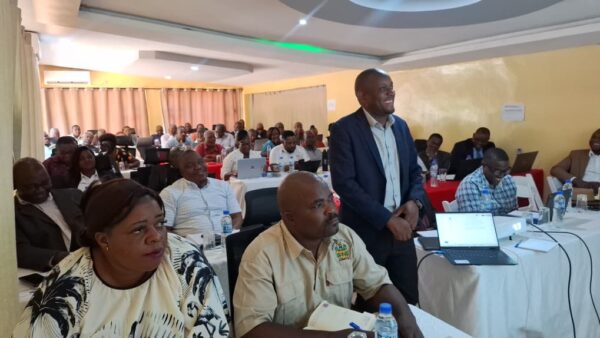
The developments came to the fore at the inception of a three-day sensitisation workshop started yesterday in Harare, which brought together Government officials, development partners and stakeholders to align Zimbabwe’s agricultural policies with the new continental agenda.
Speaking on the sidelines of the workshop, Agriculture, Mechanisation and Water Resources Development Minister Dr Anxious Masuka said Zimbabwe was already implementing the core principles of the Kampala framework through its national agriculture transformation agenda.
“Zimbabwe is no longer just aiming to be a food basket — we are transforming into an agro-industrial hub, anchored on value addition, resilience and inclusive growth,” said Dr Masuka.
He said the Kampala Declaration marked a shift from viewing agriculture solely as food production, to positioning it as a business-driven, value chain-oriented sector that integrated production, processing, marketing and industrialisation.
Dr Masuka said Zimbabwe had already domesticated key elements of the CAADP agenda within its Agriculture Food Systems and Rural Transformation Strategy, which was aligned with National Development Strategy 2 (NDS2).
He said Government was focusing on strengthening agricultural value chains, expanding irrigation infrastructure to climate-proof production systems and improving key enablers such as roads, energy, finance and markets.
The minister said Zimbabwe was tracking 21 enablers on a daily basis to ensure that agricultural transformation is supported by a fully functional systems approach.
African Union Development Agency (AUDA-NEPAD) representative Dr Rudo Makunike said the Kampala Declaration reflects an expanded vision of CAADP, moving beyond agricultural production to full agri-food systems transformation.
“This meeting marks Zimbabwe’s commitment to the continental vision of agri-food systems transformation.
“It is about ensuring alignment, coordination and a unified approach to planning and implementation,” she said.
Dr Makunike said the framework also places strong emphasis on inclusivity, ensuring increased participation of women, youth and marginalised groups in agricultural value chains. She added that coordinated implementation at national level is critical for achieving food security, resilience and economic transformation across the continent.