Online Reporter
Danisa Masuku
IN a case that sent Goosebumps through Zimbabwe, a Binga man’s jealous rage culminated in one of Zimbabwe’s most gruesome domestic murders — an axe killing so brutal it left even seasoned investigators stunned.
Wonder Musanka (42) of Zenka Village under Chief Siabuwa, will now spend the rest of his life behind bars for the 2014 beheading of his wife Fortunate Mutale in a crime Judge Nokuthula Moyo described as “exceeding even animal cruelty.”
The Bulawayo High Court this week commuted Musanka’s death sentence to life imprisonment following Zimbabwe’s abolition of capital punishment, but the judge made clear this mercy came only through legal technicality, not any sympathy for the axe-wielding killer.
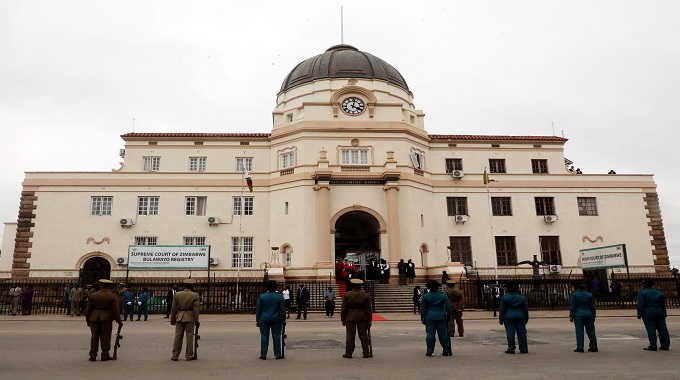
“The accused didn’t just murder his wife — he mutilated her, decapitated her, then hid her head like some grotesque trophy,” Justice Moyo declared in her scathing ruling.
“This was torture. This was savagery of the highest order.”
The night of October 7, 2014 began like any other in the rural homestead until Musanka’s suspicions about his wife’s fidelity erupted into unimaginable violence. According to court records, the argument started in their kitchen hut around 9PM when Musanka allegedly spotted an unknown man leaving the premises. Enraged, he grabbed an axe and began hacking at his 35-year-old wife, striking her forehead, right palm, finger, and behind the ear in a frenzied attack.
As blood sprayed across the walls, a critically injured Mutale made a desperate dash for safety, stumbling into the moonlit yard while screaming for help. Neighbours would later testify they heard her terrified pleas echo through the village. But there would be no rescue. Musanka chased his fleeing wife, and when she tripped and fell, he delivered the final, horrifying blows — severing her head from her body with multiple axe swings.
What followed was a chilling display of cold calculation. Musanka carefully placed the severed head in a cardboard box and concealed it beneath the couple’s bed. He then gathered his blood-soaked clothes and the murder weapon and walked to nearby Nabusenga Dam to wash away the evidence. In a final act of deception, he took his two young children to his parents’ home, claiming he needed to travel to Zambia for work.
But the gruesome discovery came at dawn when neighbour Agnes Mutale, disturbed by the previous night’s screams, alerted Musanka’s grandmother Mavu Mwinde. The elderly woman found her granddaughter-in-law’s headless body lying in a congealing pool of blood in the yard. Police who combed the homestead made the stomach-churning discovery of the hidden head, still bearing an expression of terror.
When Musanka returned, he found officers waiting. His attempted escape was foiled as police quickly subdued him. During interrogation, he offered a shocking justification: “She denied me conjugal rights and brought men to my home,” he told investigators, claiming temporary insanity. However, court-ordered psychiatric evaluations by Dr Nemache Mawere confirmed Musanka was fully compos mentis at the time of the murder.
At trial, defence lawyer Knowledge Dingani argued for leniency, claiming provocation. “My client acted in the heat of the moment upon finding another man in his home,” Dingani pleaded. But prosecutors painted a picture of premeditated butchery, noting how Musanka had carefully hidden evidence and made plans to flee across the border.
The original 2018 death sentence reflected the crime’s brutality, with Justice Moyo noting the “exceptional cruelty” of decapitation. However, Zimbabwe’s 2022 ban on capital punishment necessitated this week’s resentencing.
While life imprisonment means Musanka avoids the hangman’s noose, prison authorities confirm he’ll likely spend his remaining days in maximum security, isolated from other inmates for his own safety.
For Fortunate Mutale’s surviving family, the sentence brings partial closure. “No punishment can bring her back,” her weeping mother told B-Metro outside court, “but at least, that monster will never hurt another woman again.” The case has reignited national conversations about domestic violence, with women’s rights groups pointing to it as an extreme example of Zimbabwe’s femicide crisis.
As Musanka begins his life sentence, the haunting final image remains: a loving mother’s severed head hidden in a cardboard box – a husband’s ultimate act of possession turned perversion. Justice Moyo perhaps put it best: “When men treat women as property, this is the horrific result. Zimbabwe must do better.”
Editor’s Note: If you or someone you know is experiencing domestic violence, contact Zimbabwe Gender Commission hotline on 08080131 or Musasa Project on 08080074.