Online Reporter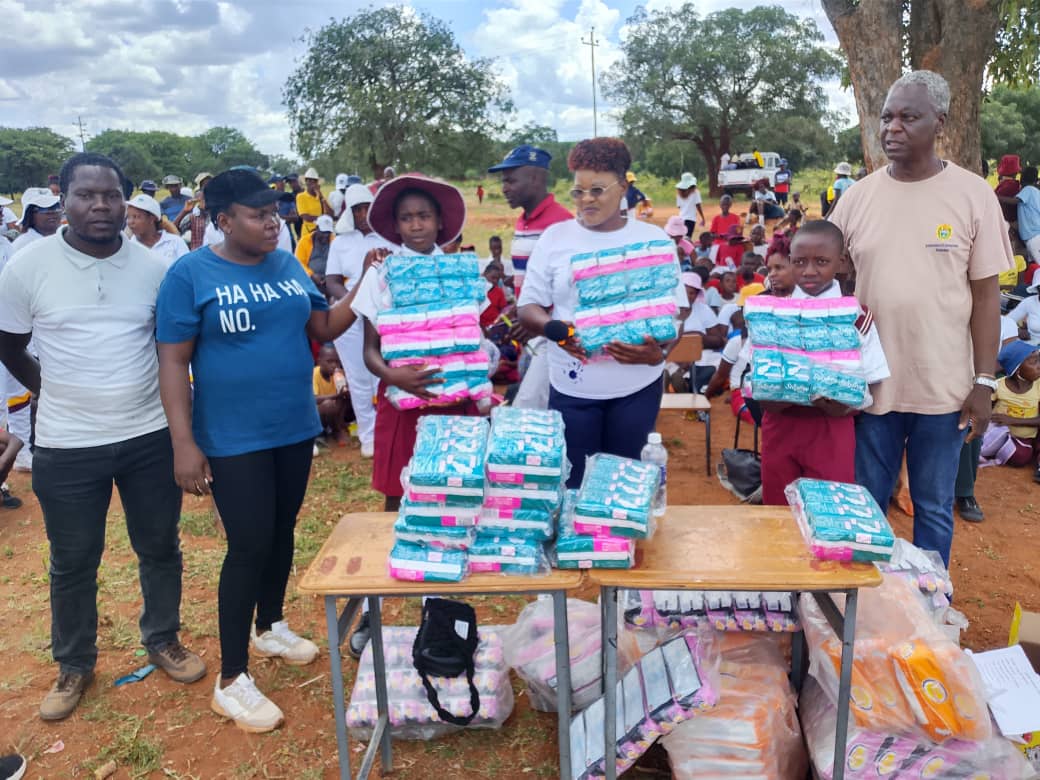
Ronald Mpofu, [email protected]
A group of civil servants from Mphoengs Border Post, led by Principal Immigration Officer in charge of Mphoengs Border Post, Mr Douglas Moyo, have launched a community-driven initiative aimed at supporting orphaned and vulnerable girls in Mangwe District through the donation of sanitary wear.
Operating under the mantra ‘girl child in mind’, the initiative brings together immigration officers, Zimbabwe Republic Police (ZRP), Zimbabwe National Army (ZNA), Zimbabwe Revenue Authority (ZIMRA), Port Health officials, and local stakeholders. The group pools resources to improve hygiene standards among vulnerable girls in surrounding communities.
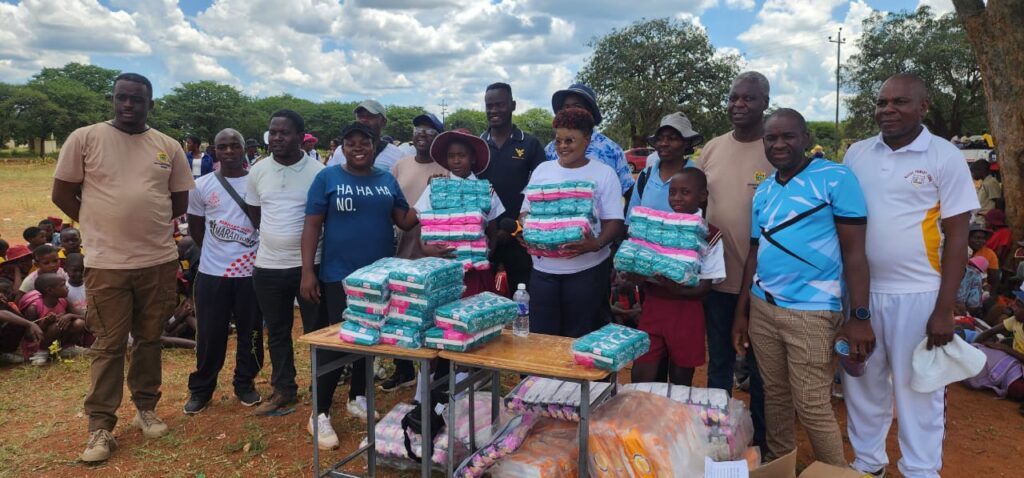
The project, spearheaded by Revenue Supervisor Miss Martha Mali, was inspired by the hygiene challenges observed in nearby areas. On 25 February, the team donated nearly 500 sanitary pads to Makubo Primary School, which has an enrolment of 544 learners, including 275 girls. The beneficiaries were Orphans and Vulnerable Children (OVCs) in Grades 5 to 7, identified by the school administration.
“We donated almost 500 sanitary pads to Makubo Primary School on 25 February 2026. Our next targeted schools are Mabuledi Primary and Patse Primary school,” said Moyo, Principal Immigration Officer in Charge of Mphoengs Border Post.
Moyo added that the initiative depends on available resources, with contributions mobilised from various well-wishers. “When funds permit, I source donations from friends and well-wishers,” he said.
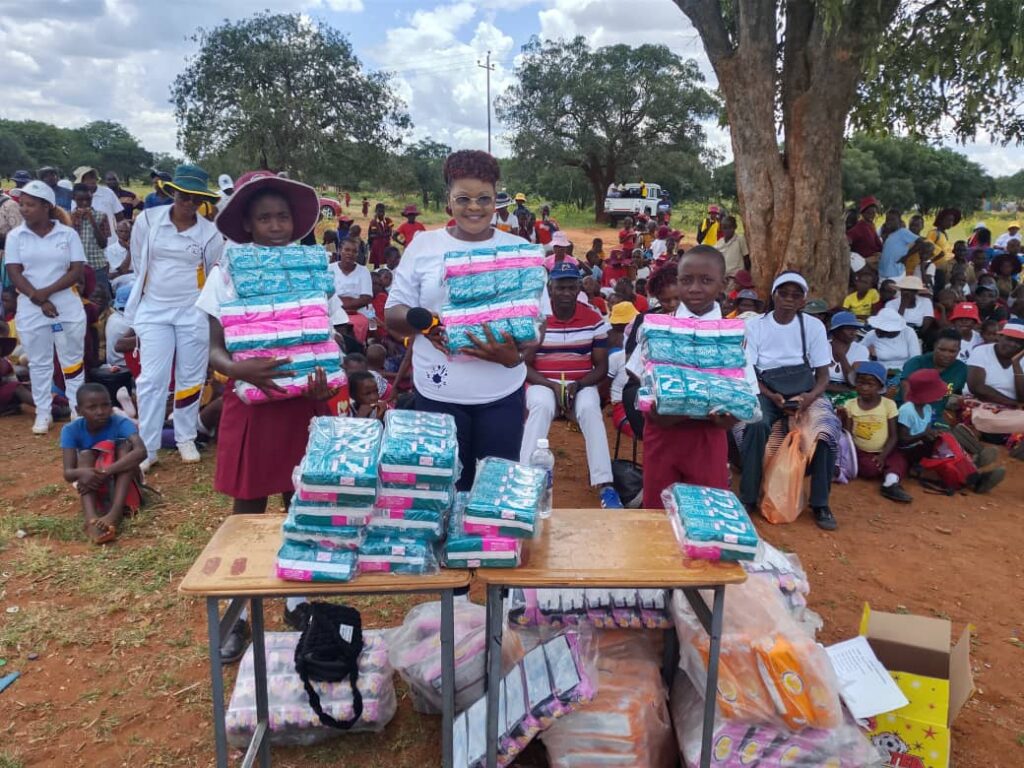
Makubo Primary School head Miss Mutshideni Nleya expressed gratitude for the gesture, highlighting its impact on learners. “Thank you so much to ZIMRA for the donation; this is such a wonderful gesture. It will go a long way in helping the girl child, especially the OVCs,” she said.
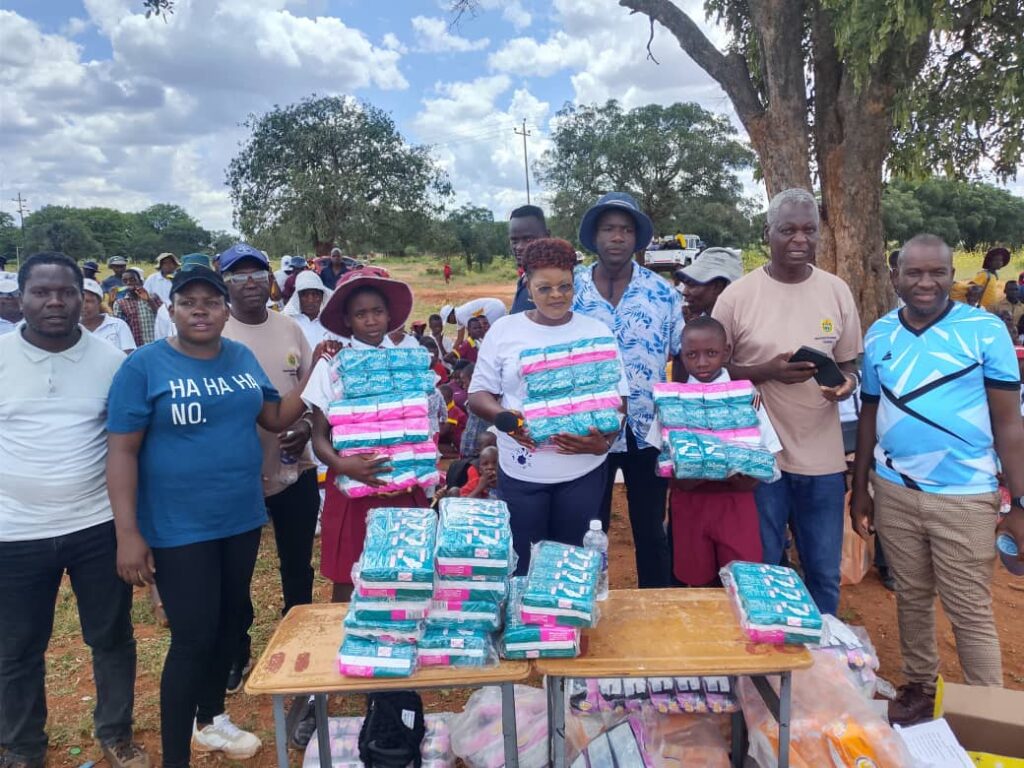
The initiative builds on previous efforts, including a donation of 3 900 sanitary pads to Nkedile Primary School in July last year. The school, which has an enrolment of 372 learners, including 173 girls, was identified as having a higher number of vulnerable learners and being located in a more remote area.