Online Reporter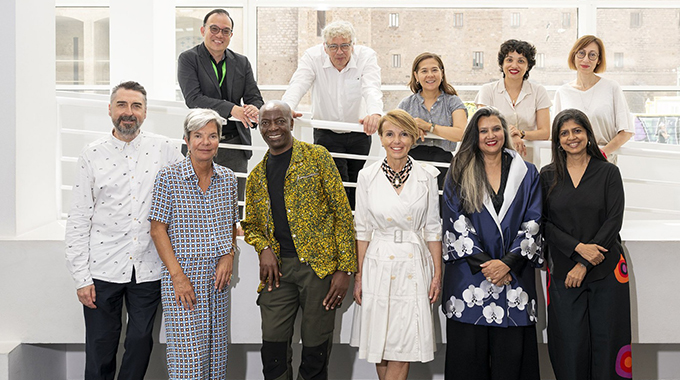
Mbulelo Mpofu, Sunday Life Reporter
IN November, the world of modern and contemporary art will turn its attention to Harare as Zimbabwe prepares to host a historic gathering that will redefine Africa’s place in global museum conversations.
For the first time in its 64-year history, the International Committee for Museums and Collections of Modern Art (Cimam) will hold its annual conference on African soil, bringing together some of the world’s leading museum directors, curators, researchers and cultural thinkers for a landmark three-day event.
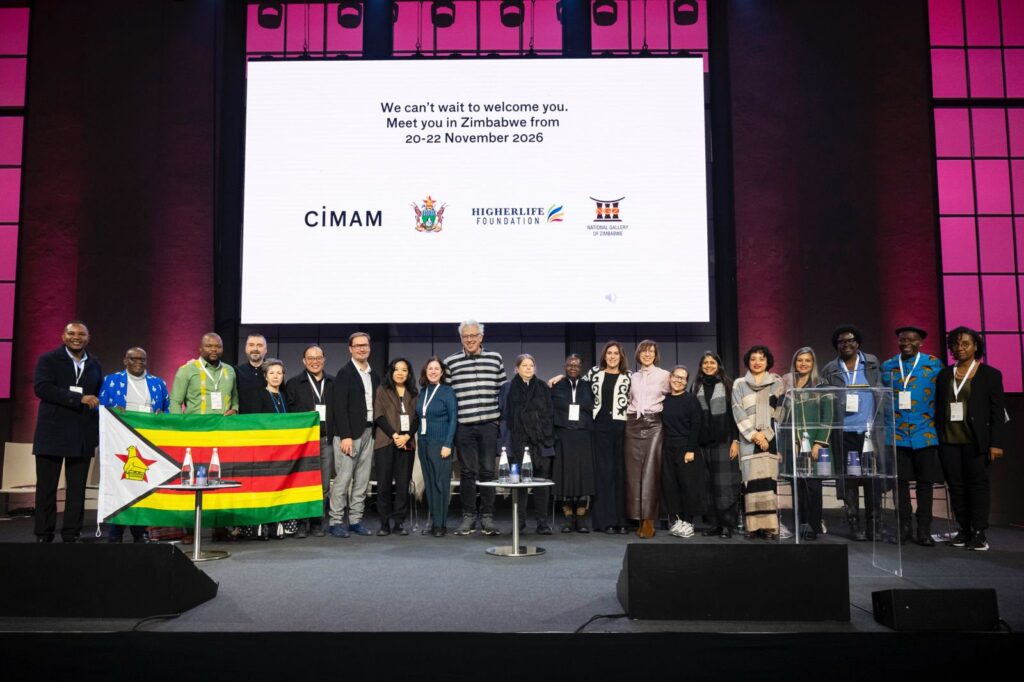
Scheduled for November 20 to 22 at the National Gallery of Zimbabwe (NGZ), the 58th Cimam Annual Conference is expected to attract more than 300 delegates from around 90 countries, creating a platform for conversations around the future of museums, cultural preservation and contemporary art through an African perspective.
Hosted by the National Gallery of Zimbabwe under the auspices of the Government of Zimbabwe, the conference represents a defining moment for the country’s arts sector and a significant milestone for Africa’s museum community.
Founded in The Hague in 1962 and affiliated with the International Council of Museums (ICOM), Cimam is the world’s leading global network dedicated specifically to professionals working in modern and contemporary art museums and collections. Its membership includes museum directors, artistic directors, curators and independent practitioners committed to strengthening ethical museum practices, encouraging international collaboration and shaping the future of cultural institutions.
For Zimbabwe, the arrival of Cimam carries a powerful historical significance. The same year Cimam was established, Zimbabwe, then Southern Rhodesia, hosted the inaugural International Congress of African Culture (ICAC), a ground-breaking gathering that celebrated African creativity and intellectual thought.
More than six decades later, the country once again finds itself at the centre of an international cultural dialogue, this time focusing on how museums can evolve to reflect changing societies and diverse knowledge systems.
The journey towards hosting the conference has been years in the making and is largely credited to National Gallery of Zimbabwe executive director Raphael Chikukwa, whose relationship with Cimam began in 2007 when he received one of the organisation’s prestigious Travel Grants to attend its annual conference in Vienna.
Years later, Chikukwa presented Harare’s vision to host the gathering during the Cimam conference in Palma de Mallorca, Spain. Zimbabwe’s successful bid was later confirmed by the Cimam Board in Barcelona.
Reflecting on the significance of the achievement, Chikukwa said: “For many years, Africa has travelled to the world.
Now it’s time to bring the world to Africa.”
The statement captures the broader ambition behind the conference — moving Africa from being a participant in global museum discussions to becoming a leading voice in shaping them.
This year’s conference will be held under the theme “Museums Beyond Limits: Imagining Repair Across Cultures, Ecologies and Knowledges”, a theme that challenges institutions to rethink their role in societies facing historical inequalities, environmental challenges and cultural transformation.
The concept of “repair” goes beyond the return of cultural objects. It explores how museums can rebuild relationships with communities, recognise different knowledge systems and create more inclusive and sustainable approaches to preserving heritage.
The conference programme has been developed by an international content steering committee featuring 11 respected museum professionals, including Chikukwa, NGZ Deputy Director Fadzai Muchemwa, Elvira Dyangani Ose, Sunjung Kim and Smooth Nzewi.
Across the three days, delegates will engage in keynote addresses, panel discussions, breakout sessions and conversations examining some of the most pressing issues facing museums today.
A new feature of this year’s gathering will be the introduction of the Chronist, inspired by the Latin American tradition of the crónica. Rather than simply documenting proceedings, the Chronist will interpret discussions and capture the deeper ideas, exchanges and reflections emerging from the conference.
The opening day will focus on Good Museum Practice, exploring how institutions can move beyond traditional models of governance and embrace approaches that respond to local realities.
The discussions will examine topics including museum ecosystems, policy responsibilities, ethical funding, collections management, repatriation and restitution.
Director of Kunstinstituut Melly in Rotterdam, Netherlands, Gabi Ngcobo, will set the tone for conversations about the future of museum authority and ownership.
The second day, themed Tools of Transformation, will explore the role of museums as active agents of social, cultural and ecological change.
The discussions will be led by David Teh, Associate Professor at the National University of Singapore and will examine innovation, technology, community participation and the responsibility of museums in shaping future generations.
The final day will focus on Radical Hospitality, drawing inspiration from African philosophies such as Ubuntu and
Unhu. The theme challenges museums to move beyond simply welcoming visitors and instead become spaces of belonging, care and shared humanity.
South African art historian, curator and writer Dr Thembinkosi Goniwe will lead the deliberations exploring how museums can move away from exclusionary practices and embrace more open and relational approaches.
Beyond the conference programme, delegates will experience Zimbabwe’s cultural heritage through visits to local creative spaces before travelling to Great Zimbabwe, the country’s iconic Unesco World Heritage Site.
The ancient stone city, one of Africa’s greatest historical achievements, will provide delegates with an opportunity to engage with indigenous knowledge, architecture and the continent’s rich cultural legacy.
The conference will also continue Cimam’s commitment to inclusivity through its Travel Grant Programme, supported mainly by the Getty Foundation. Since 2005, the initiative has enabled hundreds of museum professionals from emerging economies to participate in the annual gathering.
This year, between 30 and 40 practitioners from developing nations are expected to benefit from the programme, ensuring that diverse voices remain part of global museum discussions.
For Zimbabwe, hosting the Cimam conference represents much more than an international event. It is a recognition of the country’s growing influence within global cultural networks, a celebration of the National Gallery of Zimbabwe’s role in contemporary art and an opportunity for Harare to become a meeting point for critical conversations around decolonisation, restitution, ethics and the future of museums.
Most importantly, the conference offers Africa an opportunity to help shape the future of museums from its own historical and cultural perspective, not from the sidelines, but at the centre of the conversation.