

 Online Reporter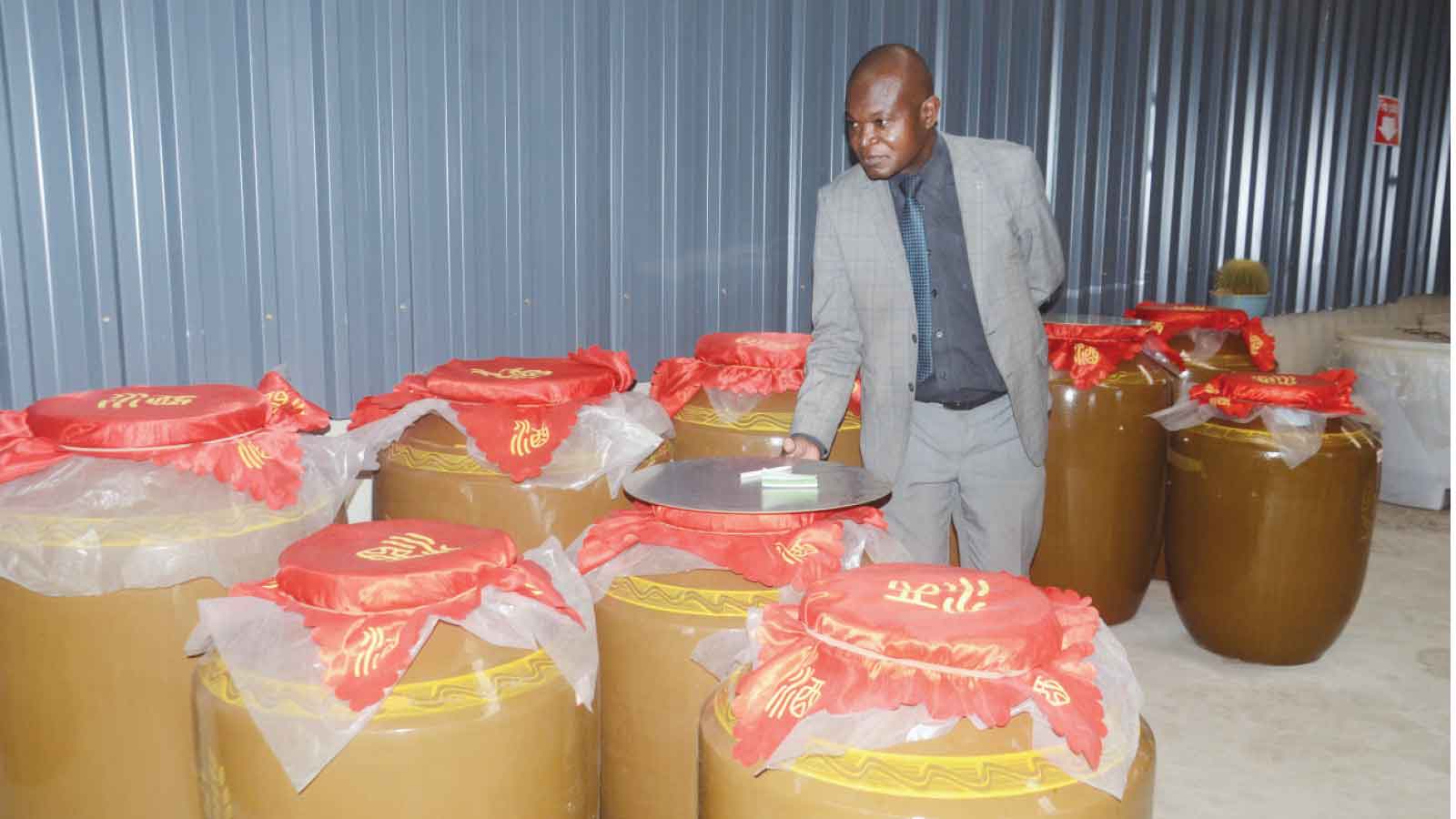
THERE has been a sudden jump in the illegal production of alcoholic beverages, with two factories having been raided over the last week and owners arrested and large quantities of the illegal alcoholic drinks and production equipment seized as exhibits for the pending trials.
The first raid was in Southerton, Harare, last week where police raided a production plant with a staff complement of 42, excluding the four owners and managers turning out a variety of products flavoured as vodka, brandy, gin, whisky, a generic liquor, banana spirit and cane spirit.
As is common in legal production plants, especially for the lower-priced products, the Southerton operation was mixing pure ethanol with the flavourings.
But this factory broke a lot of laws.
For a start, alcohol percentages inscribed on the labels were different from the actual alcohol content and the hygiene in the plant was way below the minimum set out by health regulations for both equipment and those producing and handling the product.
The second raid was this week, in the Msasa industrial area on the other side of Harare where a product labelled as wine was found to contain 53 percent ethanol.
This was way above the 40 percent maximum any legal alcoholic beverage may contain, and several times the normal limit for wines which generally have a lower content than spirits.
Once again health regulations were not being followed and in both cases ethanol was being stored in plastic containers, which breaches fire regulations as well as increasing health risks
In both cases, it appears that police suspect the plant owners, all foreigners, were not paying excise duty or paying it at well below the levels authorised by Parliament, and these duties are an essential source of revenue for Government; these days this “sin tax” is likely to be allocated to upgrading public health services.
In any case, the level playing field demanded in business means that everyone involved in producing and selling alcoholic products pays the same taxes, a significant factor in their costing, and does not mess around with alcohol levels to try and make their product more popular by word-of-mouth advertising.
So when the six arrested for being involved in directing the manufacture at the two production centres face trial, they are likely to be hit by a range of charges, from cheating on taxes and breaking the conditions set out in any permits to breaching the health regulations required by everyone involved in the manufacture of food and drink.
The pro-investment and pro-business policies of the Second Republic do create plenty of space for legitimate investors and few, if any, consumers would object to more competition in the alcoholic beverage industry. This is dominated by one major local producer whose competition is largely from imports and just a couple of far smaller legal operations adding to the variety on bottle store shelves.
But this welcome for foreign investment is not a licence for investors to rip off consumers, or put the health of customers at risk, or deny taxes that everyone else, producers and importers, has to pay.
It is important to note that the foreign investor is given neither more onerous conditions or easier conditions than a Zimbabwean business. And the charges are exactly what a Zimbabwean would face in the same circumstances and any penalties imposed by the courts if they are found guilty will be identical to what would be imposed on a Zimbabwean.
There have been other cases where a foreign investor has skated on very thin ice, or failed to make proper checks, as we saw with the sudden change early this year in how concentrated mineral ores could be exported to avoid higher value products being included without being noticed or declared or labelled.
But these two alcohol production facilities went far beyond what could be described as carelessness or an error and appear to be determined efforts to avoid legal requirements. The actual degree of blameworthiness will be determined in the forthcoming trials.
The police are not being vindictive or anti-foreigner.
They have in fact appealed to Zimbabwean associates and employees to help guide the foreign investors they work with so they follow our laws and keep within the terms of their investor permit. This is almost always expansive and unlimited when it comes to the quantity and type of product, but does require the investor to obey certain regulations that local firms also have to obey.
There are several foreign-owned companies in our food and beverage sector that are making reasonable profits, which have extended the range of products produced in Zimbabwe, which in a couple of cases have ended shortages on shelves, which pay their taxes, and follow Zimbabwean labour and health regulations.
Their presence has been totally beneficial and they are very welcome, adding to our national wealth and creating new jobs as well a filling market gaps.
The example of these legitimate and law-abiding investors should be followed by all who want to run businesses in Zimbabwe, and they will, by following those examples, be given a very warm welcome.




Were these businesses legally registered and were just misbehaving? If they were legally registered then their licences must be withdrawn. If they were not registered, how did they manage to set up such facilities without being noticed? Someone must have been sleeping on the job. How often do we see factory inspectors doing their work? The Perm Sec and the Minister responsible must be held accountable. In civilised nations, such should never happen. Heads would roll. But this is Africa, small fish will fry while big ones get away with it.