Online Reporter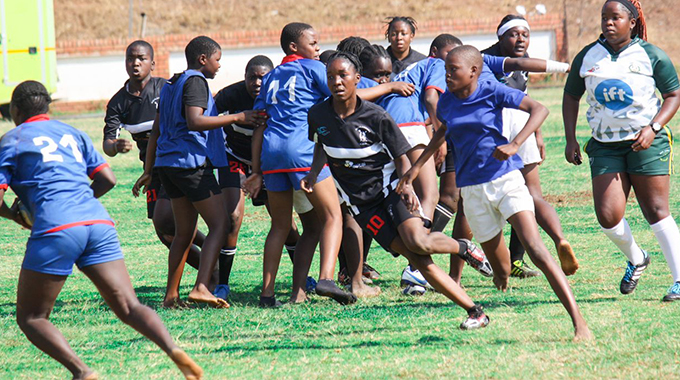
Brandon Moyo, Zimpapers Sports Hub
MATCH week three in the Bulawayo Metropolitan Rugby Football Board (BMRFB) Archer Clothing Rugby league, delivered intense action and controversy this past Saturday at Hartsfield Rugby Grounds. While the two men’s championship matches provided spectacles that left local rugby faithful on their feet, women’s rugby fans and players felt significantly short-changed — their game lasted a mere 10 minutes.
After the final whistle, there was an expectation that it was half-time, only for it to be declared full-time, much to the frustration of fans, players and coaches alike. One of the clubs, Western Suburbs Panthers, promptly voiced their complaint, taking to social media to celebrate their 12-0 victory over Bulldogs while simultaneously crying foul over the treatment of women’s rugby on the day.
“The Panthers Ladies Rugby team launched their 2025 season with a dominant 12-0 win over Highlanders Ladies in a highly anticipated fixture that showcased not only skill and structure, but also the growing strength of women’s rugby in Bulawayo,” read the post from Panthers.
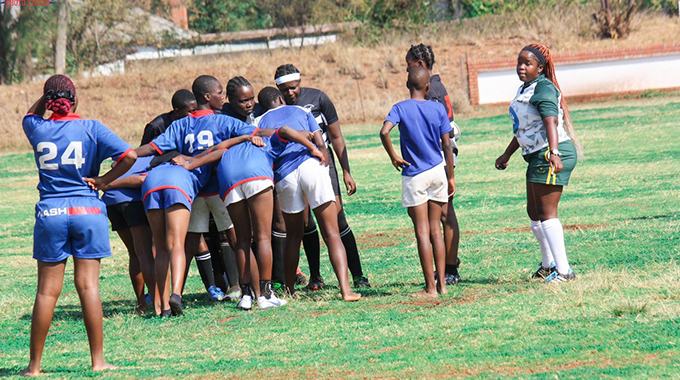
“Despite the inspiring performance, the game was overshadowed by controversial and discriminatory decisions from tournament organisers and match officials — decisions that have raised serious questions about the treatment of women in sport.”
The post continued: “The scoreboard read 12-0 at the half-time whistle, a testament to the Panthers’ preparation, team spirit and technical execution. However, this victory was marred by events off the field that threatened to undermine the integrity of the sport and the dignity of the players involved. The team, buzzing with energy and ready for the second half, were left stunned when officials signalled the end of the game. No half-time break. No second half. Just 10 minutes of play,and it was over.”
The Panthers’ statement highlighted how World Rugby’s guidelines for Rugby Tens (10s) specify that matches should consist of two 10-minute halves, with a short half-time interval.
“By cutting the game to just one 10-minute half, the women were effectively given only 50 percent of the time afforded to any recognised match format, including youth, sevens, or tens competitions,” the post asserted. “This breach of Law 5 of the World Rugby Laws, which governs match length, and the lack of parity in match scheduling represent a direct violation of basic sporting ethics and human rights.
“Even more disturbing was the reason cited: the need to make room for a schoolboy rugby game, which was allowed to proceed in full. This act not only short-changed two senior women’s teams who had trained, travelled and sacrificed to compete, but it also sent a painful message: women’s rugby is still not respected, even by those charged with growing the game.”
The club further argued that such decisions are unacceptable under the IOC Code of Ethics and World Rugby’s Anti-Discrimination and Equity Policies, and run contrary to the Brighton Declaration on Women and Sport — a global commitment to equity in sport that Zimbabwe, as a rugby nation, is expected to uphold.
“Cutting game time for women, without applying the same rules across genders, violates that principle and undermines the efforts of athletes, coaches and advocates working to grow the women’s game in Bulawayo and beyond.”
When contacted for comment, Bulawayo Women’s Rugby chairperson Musawenkosi Mpofu, referred Zimpapers Sports Hub to BMRFB secretary and tournament co-ordinator George Hlatshwayo, who was unreachable at the time of publication.