admin
admin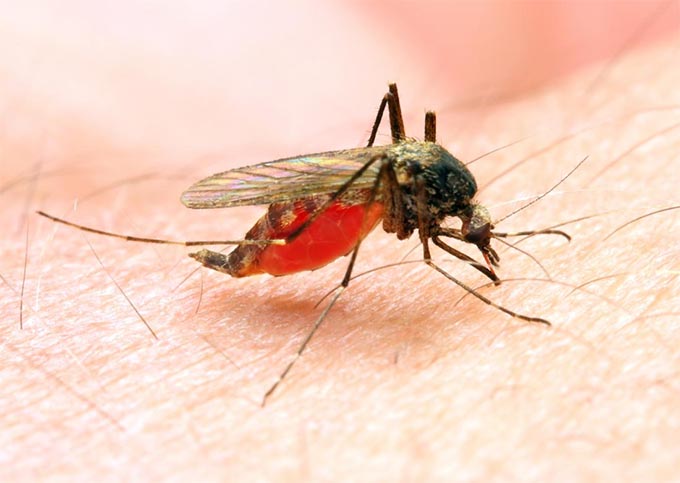 Dr Tendai Zuze Health Matters
MALARIA is a terrible disease caused by a parasite, transmitted by the bite of infected mosquitoes. It kills an estimated 1 million people each year worldwide.A malaria infection is generally characterised by recurrent attacks with the following signs and symptoms: moderate to severe shaking chills, high fever, profuse sweating as body temperature falls, headache, vomiting and diarrhoea.
Malaria signs and symptoms typically begin within a few weeks after being bitten by an infected mosquito. However, some types of malaria parasites can lie dormant in your body for months, or even years.
These symptoms can be vague and can easily be mistaken for other conditions, including typhoid, the dreaded Ebola and even common viral illnesses.
The disease is caused by a type of microscopic parasite that’s transmitted most commonly by mosquito bites, more specifically the bite of an infected female anopheles mosquito. The parasite may also rarely be transmitted from mother to unborn child, through blood transfusions and sharing drug injection needles.
The biggest risk factor for developing malaria is to live in or to visit tropical areas where the disease is common.
Many different subtypes of malaria parasites exist.
The variety that causes the most lethal complications is most commonly found in Africa south of the Sahara, the Indian subcontinent, Solomon Islands and Haiti.
People at increased risk of serious disease include young children and infants, travellers from areas without malaria and pregnant women and their unborn children.
Poverty, lack of knowledge, and little or no access to health care also contribute to malaria deaths worldwide.
Residents of a malaria region may be exposed to the disease so frequently that they acquire a partial immunity, which can lessen the severity of malaria symptoms.
However, this partial immunity can disappear if you move to a country where you’re no longer frequently exposed to the parasite.
Malaria can be fatal, particularly the variety that’s common in Africa. 90 percent of all malaria deaths occur here in Africa — most commonly in children under the age of 5.
In most cases, malaria deaths are related to one or more of these serious complications:
Cerebral malaria. If parasite-filled blood cells block small blood vessels to your brain (cerebral malaria), swelling of your brain or brain damage may occur. Cerebral malaria may cause coma.
Breathing problems. Accumulated fluid in your lungs (pulmonary oedema) can make it difficult to breathe.
Organ failure. Malaria can cause your kidneys or liver to fail, or your spleen to rupture. Any of these conditions can be life-threatening.
Severe anaemia. Malaria damages red blood cells, which can result in severe anaemia.
Dr Zuze can be contacted at Highland Clinic on 020-66364 or [email protected]



 Online Reporter