peter
peter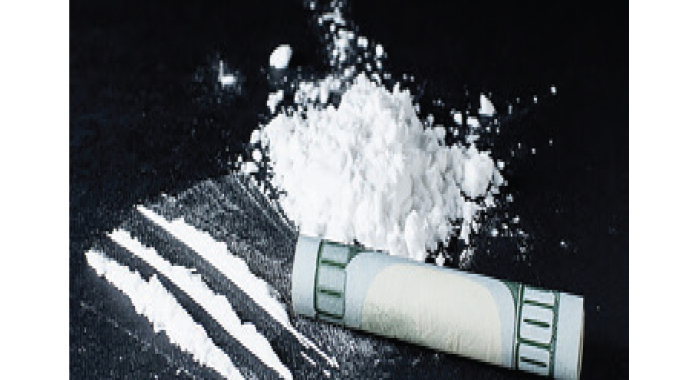
Simba Jemwa, Sunday News Correspondent
AT the outset, Covid-19 and the lockdown disoriented organised crime and drug-related activities as much as it did to formal and informal business.
But organised crime is not only adapting to the present, but is preparing to carve a lucrative future out of the crisis.
Just before lockdown in Zimbabwe, many drug dealers reportedly noticed a massive surge in panic buying of cocaine, crystal methamphetamine (crystal meth), Rohypnol (roofies), crack cocaine and a variant of marijuana popularly known as “skunk”.
Drugs have become the toilet rolls of Zimbabwe’s criminal world. With good reason too: “cross town” operators who normally supplied drugs at street corners or popular night spots in Bulawayo and other urban centres across the country realised that, as soon as the Government ordered people to stay at home, the drug networks would close down because it was too risky for the dealers to move around.
Prices registered the sharpest increase in the pre-lockdown period on the reasonable assumption that there would be a massive disruption to the supply chain from overseas.
“The prices for drugs went up in Bulawayo,” said a local “druggie” who spoke to this publication on condition of anonymity.
“Everyone I know has had a harder time getting the supply of hits like coke (cocaine) they need but they are paying more,” she added.
Sales of skunk, by contrast, have been largely unaffected.
“Business was booming for dealers mostly because of people mainly buying weed and crystal meth which were both cheaper than coke, roofies and ecstasy,” said another addict in the city.
Recently, the Government announced that since the beginning of the year, the Zimbabwe Republic Police have seized ZW$2,8 million worth of illicit drugs and substances.
During a recent post-Cabinet media briefing in Harare, Information, Media and Broadcasting Services Minister, Monica Mutsvangwa revealed the war against drug and substance abuse had escalated with the police arresting drug kingpins.
“Through effective surveillance, law enforcement agents managed to seize and recover drugs and substances to the tune of ZW$2,8 million. A total of 16 anti-drug and substance abuse campaigns were conducted at various platforms, including the media,” Minister Mutsvangwa said.
A total of 575 people were arrested for drug peddling, of which 192 were suppliers and 383 were end users of drugs and substances.
However, police operations have not dampened the criminals’ resolve. But how have these dealers survived and even prospered?
“Covid-19 restrictions made drug dealers take additional risks in moving cash around,” revealed local sources.
“The restricted operations of cash-based businesses like night clubs robbed drug dealers of an opportunity to stash or launder their cash, making it harder for criminals to conceal the proceeds of their crimes,” said the source.
Not surprisingly, dealers quickly adjusted to the new circumstances and went digital. Online crime has been rising steadily for some years now but Covid-19 is accelerating the trend.
Social media has become the street corner of choice: it has minimal risk and is often by dealers as a sure-fire way of guarding against undercover security agents.
Drug dealers began flogging large amounts of cocaine, crystal methamphetamine (crystal meth), Rohypnol (roofies), crack cocaine and other Class A drugs brazenly through social media platform, WhatsApp – and promising to deliver faster than a takeaway.
Drugs sold over the phone have seen a significant uptick in activity.
Vendors using social media are doing a brisk business.
Their top sellers are skunk and synthetic drugs such as crystal meth and ecstasy, which are produced in South African laboratories.
However, over the years, there have been unconfirmed reports of meth labs in affluent and quiet suburbs in Harare.
Sources say the dial-a-hit services openly use the popular chat messenger, with one dealer boasting they could get a packet of cocaine to Hillside in 20 minutes – quicker than ordering a pizza! While another is said to have offered to deliver almost US$1 000 worth of the Class A drug in the middle of the day.
Dealers openly use the popular site, offering “safe delivery” to underage teenagers, a Sunday News investigation found.
To hide from prying eyes and ears, dealers and their customers have developed clever lingo to identify merchandise. Depending on which side of town one comes from, these words are different but fairly well known among dealers and addicts.
Users from affluent suburbs in Bulawayo are more likely to buy Class A drugs primarily because they can afford them while the “ghetto youth” will run with “weed” variants.
Cocaine is called anything from Big C to Big Rush, Blow, Candy, Charlie, Coke, Dust, Flake, Line, Powder, Snow, and White Girl while crack cocaine has exotic names such as Apple Jacks, Base, Ball, Crack, Garbage, Grit, Hail, Hard Rock, Kryptonite, Moon Rocks, among others.
The many variants of marijuana have been called Blunt, Bo-Bo, Bush, Chronic, Ganja, Gasper, Grass, Green, Hash, Herb, MJ, Maryjane, Mary Jane, Pot, Roach, Reefer, Skunk, Smoke, Trees and Weed.
To anyone not in the know, coming across a message or chat with these words has zero connection to drugs and users are able to order their drugs of choice over public telecommunications networks with many none the wiser. @RealSimbaJemwa


 Online Reporter