


 Online Reporter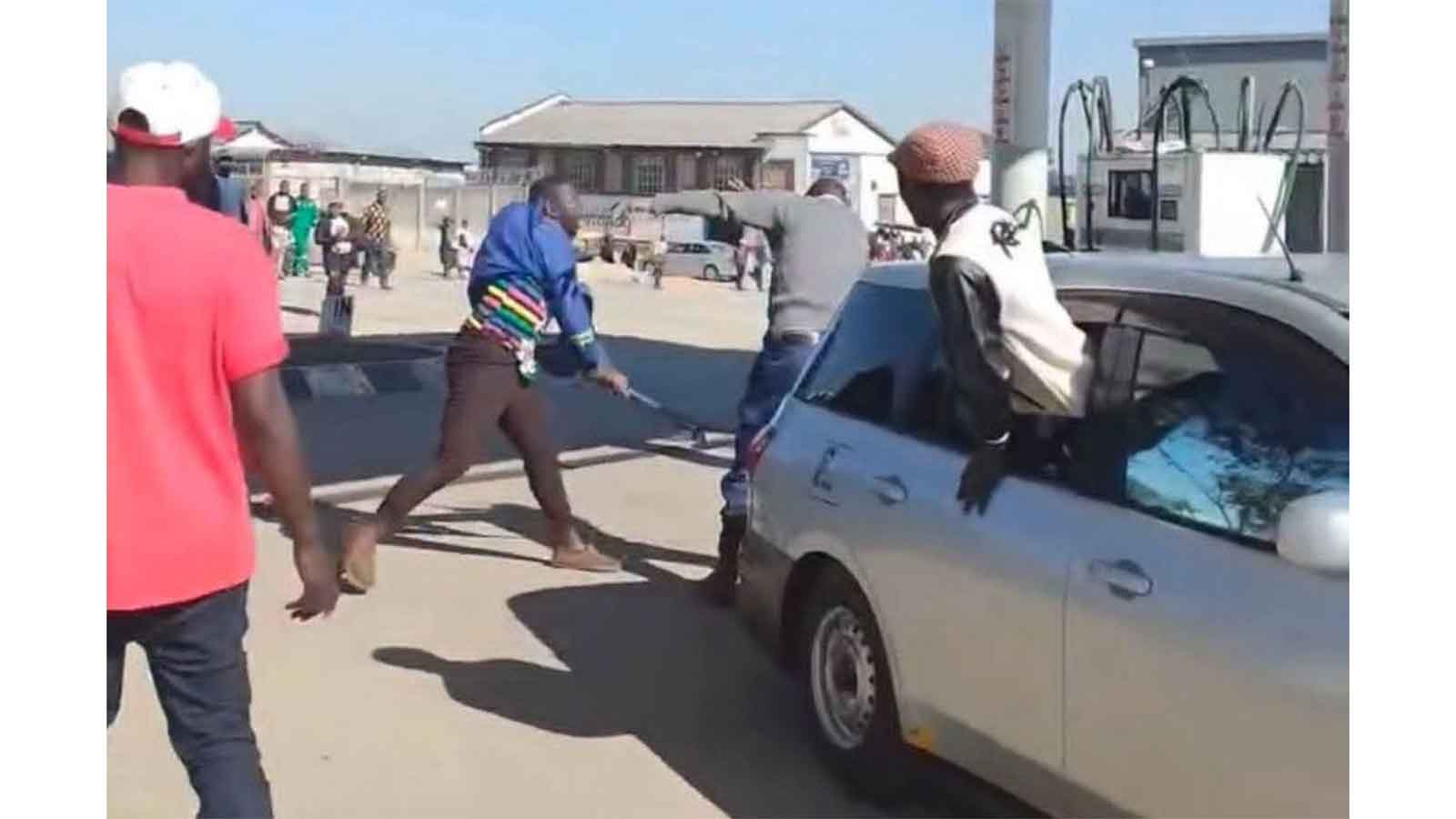
THE arrest of Brendon Tsakatsa, a mushikashika driver, for whipping a police officer in Mutare is a welcome development that sends a powerful message.Regardless of the circumstances that may have led to the confrontation, resorting to violence against a law enforcement officer cannot and should never be tolerated.
Police officers represent the authority of the State and are entrusted with the responsibility of maintaining law and order. While they are not beyond criticism, and must always exercise their powers professionally and within the confines of the law, attacking them physically undermines the very foundations of a peaceful and orderly society. If citizens begin to settle disputes with police officers using fists, whips or other forms of violence, chaos quickly replaces respect for the rule of law.
Tsakatsa’s actions deserve widespread condemnation.
Every Zimbabwean has constitutional rights, including the right to challenge an unlawful arrest, report misconduct by police officers or seek justice through the courts.
Our legal system provides numerous avenues for addressing grievances without resorting to violence.
Taking matters into one’s own hands only creates additional victims and exposes the offender to criminal prosecution.Equally important is the example such conduct sets for younger generations. Children and young adults closely observe how adults respond to disagreements with authority.
When they witness violence being used to resolve disputes, they may conclude that aggression is an acceptable response whenever they feel wronged.
That is a dangerous lesson for any society trying to promote peace, respect and responsible citizenship.
The arrest should also reassure police officers across the country that the law will protect them while they perform their duties. Policing is already a demanding and often dangerous profession. Officers routinely face armed criminals, violent suspects and emotionally charged situations.
They should not have to fear being attacked by motorists or members of the public simply for carrying out their responsibilities.
This is not to suggest that police officers are infallible.
There have been occasions where members of the public have raised legitimate concerns about misconduct, abuse of authority or unprofessional behaviour by some officers.
Those complaints must always be investigated thoroughly, and officers found guilty should face appropriate disciplinary or criminal action.
Accountability strengthens policing; it does not weaken it.
However, accountability cannot come through mob justice or personal retaliation. A society governed by the rule of law demands that everyone, whether a civilian or a police officer, answers for their actions through established legal processes. Violence only escalates conflict and erodes public confidence in justice.
As the case proceeds through the courts, the accused should face the consequences prescribed by law.
Such accountability will reinforce the principle that assaulting a police officer is a serious offence that carries significant consequences.
Ultimately, we can only build a safer and more orderly society when disputes are resolved through dialogue, lawful procedures and mutual respect rather than violence.
Tsakatsa’s arrest in Mutare is, therefore, not merely about one individual; it is about defending the rule of law and reaffirming that violence against those entrusted with enforcing it has no place in our communities.




A civilian must NEVER lay a hand on a police officer. This reporting tends to suggest that police officers sometimes err in their line of duty provoking retaliation from civilians and it should be understandable when civilians retaliate. That retaliation is a criminal offence and should never be seen as acceptable under certain circumstances. If one protests against a police officer, one is protesting against a law enforcement agent and should not only be liable for punishment but must be taught a serious lesson that a law officer cannot be touched.