Online Reporter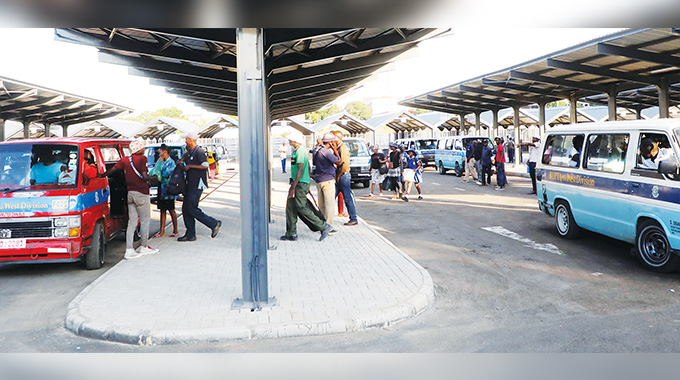
IN a cruel twist, the deadly crash on 6th Avenue and Lobengula Street intersection shortly before 9PM on Wednesday occurred barely metres away from the long-delayed Egodini project, a development intended to decongest the city centre and bring vendors and commuters into a regulated, safe environment.
Instead, Egodini has become a symbol of dashed hopes. A fence here. A concrete slab there. Years of promises. But no order. Its silent, skeletal form now stands as a grotesque monument to institutional failure, presiding over the very lawlessness it was meant to end.
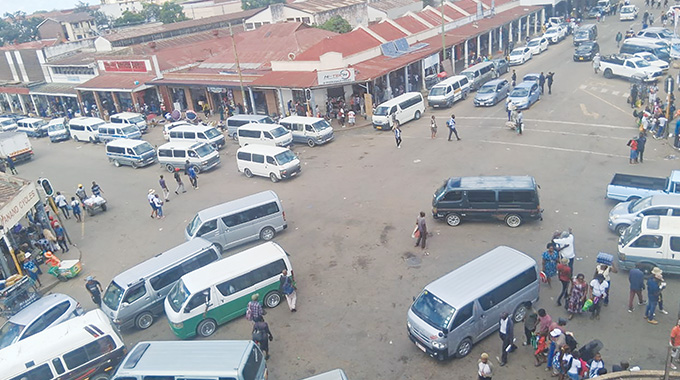
The two men who lost their lives, Christopher Mukuwapasi and Lizwe Ncube, were not merely victims of a reckless driver. They were casualties of a system that has abandoned its duty to plan, enforce, and protect. They were forced by economic necessity to trade in a kill zone, while the very project designed to give them safe harbour languishes in perpetual delay.
Mayor David Coltart correctly identifies the “lawlessness which currently prevails,” while simultaneously noting that municipal and traffic police are “thin on the ground” and “inadequate.” This is an admission of surrender, not a strategy.
The problem is not a lack of diagnosis; it is a catastrophic failure of treatment. Egodini’s unfinished state is the physical manifestation of this failure. Every year of delay, every missed deadline, is a policy choice that prioritises inertia over life. It tells vendors and kombi operators that the rules are optional, that the city has no viable alternative to offer, and that their survival is a game of chance.
Therefore, the call from civil society for a “decisive action” involving all stakeholders must be heeded with unprecedented urgency. This moment demands a twin-track approach of immediate enforcement and the ruthless prioritisation of completion.
First, the City of Bulawayo and the Zimbabwe Republic Police must launch an immediate, sustained, and visible enforcement operation at this and other blackspots. This is not about harassing the desperate, but about saving lives.
The impunity of reckless drivers and the dangerous encroachment onto vital traffic lanes must end. The rule of law must be physically present.
Second, and with equal vigour, the Egodini project must be removed from the realm of political promises and placed on an emergency delivery timeline.
Concurrently, the council must immediately identify and formalise interim alternative trading and transport spaces.
Proactive, humane planning is not a luxury; it is the foundational duty of local Government.
Bulawayo deserves better. It is a city built on order and pride. To allow its heart to be governed by the law of the jungle, while the blueprint for civilisation gathers dust just metres away, is an intolerable betrayal.
The blood on the tarmac at 6th and Lobengula cries out not just for condolences, but for the relentless, uncompromising pursuit of the order we were promised. Egodini must rise from its ghostly state, or it will forever haunt us with the consequences of its absence.