Online Reporter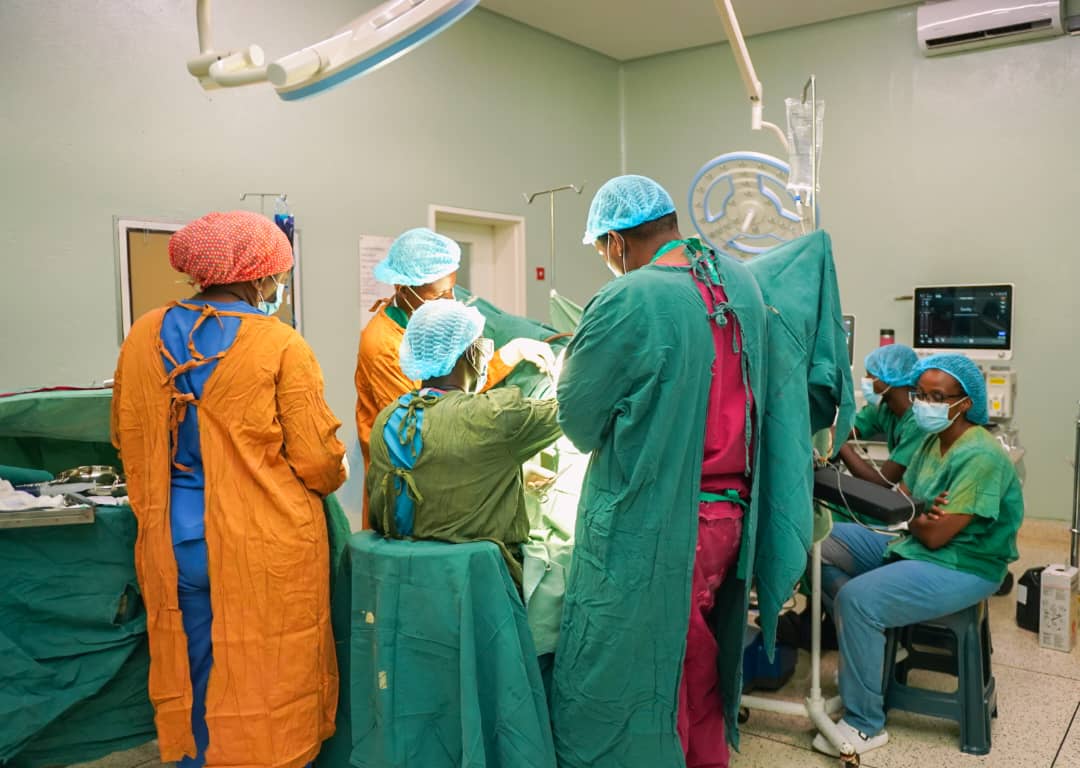
Disability Issues
Dr Christine Peta
FOR thousands of women and girls across Africa, Asia and beyond, obstetric fistula is not just a medical complication, it is a profound social and human rights issue that intersects with disability, poverty and gender inequality.
Obstetric fistula occurs when prolonged, obstructed labour without timely medical intervention creates a hole between the birth canal and the bladder or rectum.
It leaves women leaking urine, faeces, or both, and often leads to infections, chronic medical problems, depression, social isolation and deepening poverty.
Survivors lose livelihoods, are excluded from education and income-generating opportunities and struggle to provide for their families.
On May 23, Zimbabwe, just like many countries across the world, joined the rest of the world in marking the International Day to End Obstetric Fistula — a condition that remains one of the most devastating yet neglected childbirth injuries.
Women with fistula often acquire physical disabilities, as constant leakage, infections and pain restrict mobility and participation in daily life.
Social stigma, isolation and discrimination compound their suffering.
Many are abandoned by families, excluded from community life and denied opportunities for education or employment. In effect, fistula becomes a social disability, stripping women of dignity and agency. The intersection of fistula and disability highlights how health inequities reinforce cycles of exclusion.
Ending obstetric fistula is not only a medical imperative but also a development challenge. It requires access to quality maternal health services, skilled birth attendants, emergency obstetric care and timely caesarean sections. Surgical treatment and rehabilitation are equally important — repair surgeries restore continence and dignity, while counselling and reintegration programmes rebuild confidence.
Addressing root causes such as poverty, child marriage, malnutrition and lack of education is essential, as these factors increase the risk of fistula.
Recognising survivors as persons with disabilities ensures they are included in policies, programmes and rights frameworks.
The United Nations Population Fund (UNFPA) leads the global Campaign to End Fistula, supporting treatment centres, training surgeons and raising awareness.
In many African countries, hospitals have restored health and dignity to thousands of women. Yet the backlog remains immense, with many still waiting for surgery.
In Zimbabwe and across Southern Africa, governments are integrating fistula repair into broader maternal health strategies.
Community outreach is vital because breaking the silence around fistula helps women seek treatment and challenges the stigma that isolates them.
Framing fistula as a disability issue strengthens advocacy.
Survivors deserve recognition under disability rights laws that guarantee access to healthcare, education and employment.
This perspective shifts the narrative: Women with fistula are not merely patients but rights holders entitled to dignity, inclusion and justice.
Linking fistula to disability also highlights the broader need for inclusive health systems that serve all women, regardless of geography, income or social status.
On the International Day to End Obstetric Fistula, under this year’s theme “Her health, her right: Shaping a future without fistula”, the message was clear: No woman or girl should suffer a preventable injury that robs her of health, dignity and opportunity.
The continued existence of obstetric fistula is a violation of that right.
Ending fistula requires investment in maternal health, commitment to disability inclusion and, above all, recognition of women’s rights.
As the world strives to achieve the Sustainable Development Goals (SDGs) — particularly universal health coverage and gender equality — eliminating obstetric fistula is both a moral and practical necessity.
It is a test of our collective will to ensure that childbirth is safe, dignified and free from preventable disability.
The lived experiences of women who have survived fistula are vital. Their voices must shape policies and services that are rights-based and culturally sensitive.
When village health workers, community care workers, survivors and informed community leaders come together, they can challenge stigma, dismantle discriminatory norms and spark real, lasting change.
Dr Christine Peta is a disability, public health, policy, international development and research expert. She can be contacted on: [email protected]