Online Reporter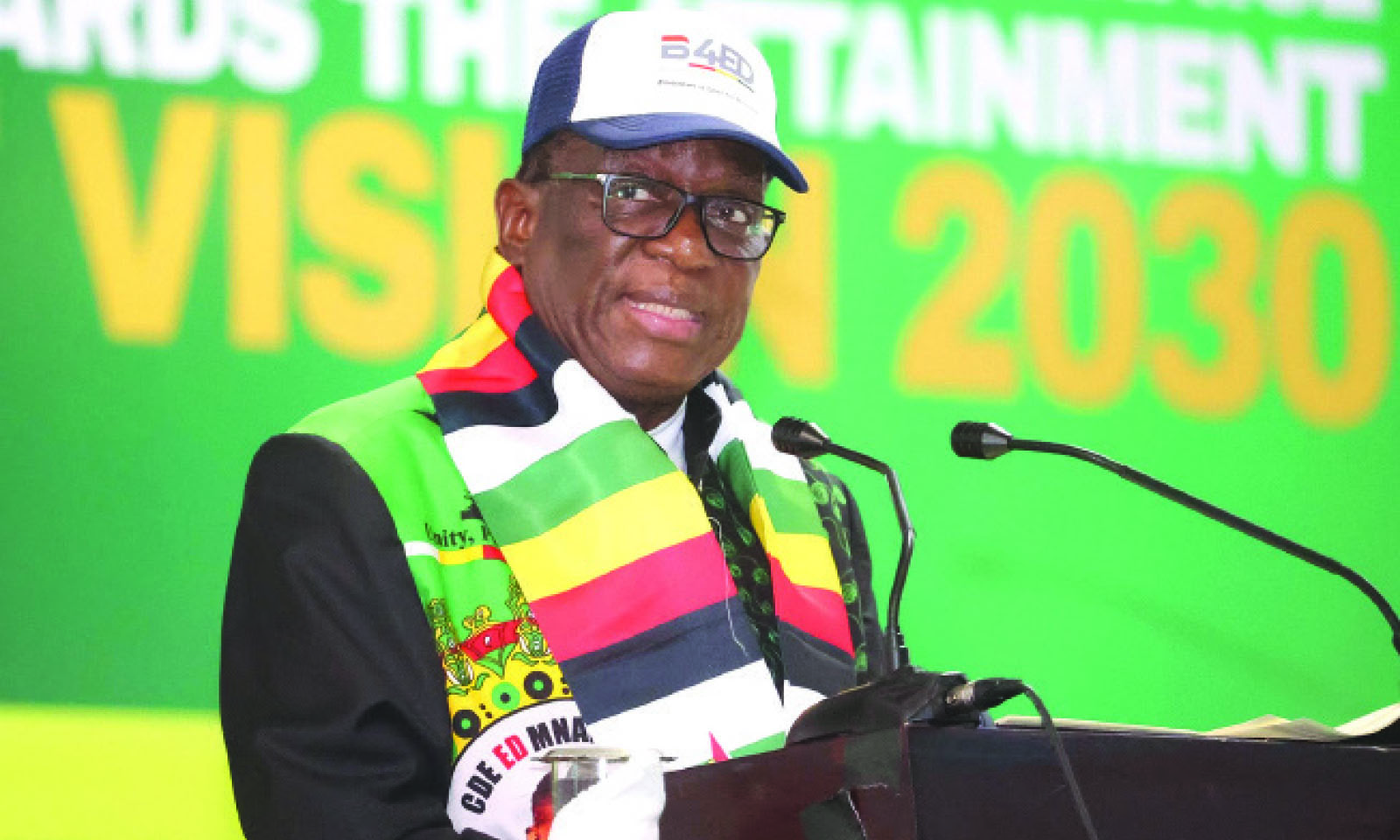
Cletus Mushanawani
Editor
THE 22nd ZANU PF Annual People’s Conference, currently unfolding in Mutare, is more than a routine political gathering — it is a pivotal moment for Zimbabwe’s ruling party and the nation’s trajectory as it approaches the midpoint of Vision 2030.
Held under the theme: ‘Attainment of Vision 2030 Through Economic Empowerment and Value Addition’, the conference serves as a platform for ZANU PF to assess the implementation of resolutions from the 21st Conference in Bulawayo.
These include economic recovery, industrialisation, and social transformation — all central to the Vision 2030 agenda.
The People’s Conference, is more than a routine political gathering — it is a defining moment for Zimbabwe’s ruling party and a barometer for the nation’s future.
As the country navigates economic headwinds, social challenges, and shifting political dynamics, this conference offers ZANU PF a platform to recalibrate its vision, consolidate its power, and reaffirm its relevance in the lives of ordinary Zimbabweans.
Hosting the event in Mutare is itself a strategic gesture. It signals a deliberate move towards decentralisation, placing Manicaland Province at the heart of national discourse.
This choice reflects the ruling party’s intent to demonstrate inclusivity and regional empowerment, countering long-standing perceptions of Harare-centric governance. For the people of Mutare and surrounding districts, the conference is a morale booster — a recognition of their role in the national fabric and a promise of development attention.
At the core of the conference are deliberations on key national issues: economic recovery, healthcare, education, and the growing crisis of drug abuse.
These are, not abstract policy themes, but urgent realities that affect millions. The party’s ability to address them with clarity and resolve will determine whether the conference becomes a catalyst for meaningful change or a missed opportunity. Legislative proposals and budgetary priorities emerging from these discussions could reshape public services, influence employment trends, and redefine the social contract between the state and its citizens.
Policy Direction: Setting the Agenda for 2026
As the ruling party gathers its leadership, provincial delegates, and policymakers under one roof, the conference becomes a crucible for evaluating past performance, confronting present challenges, and charting a legislative and budgetary roadmap for the year ahead.
In this context, the conference is, not merely a political ritual—it is a strategic forum where the contours of national governance are drawn.
At the heart of the conference lies the imperative to align party priorities with the broader national development agenda, particularly Vision 2030.
This alignment requires a sober assessment of the successes and shortcomings of existing policies.
One of the key areas likely to dominate the policy discourse is economic recovery and industrialisation.
With Zimbabwe still grappling with inflation, currency instability, and limited foreign investment, the conference offers an opportunity to recalibrate economic strategies.
The commissioning of game changing projects like the Mega Market Milling Plant and the National Pharmaceutical Warehouse by President Mnangagwa underscores the party’s emphasis on value addition and local manufacturing.
These developments are expected to influence budgetary allocations in 2026, with increased funding directed towards agro-processing, industrial parks, and export-oriented production.
Such investments will, not only stimulate job creation, but also enhance Zimbabwe’s competitiveness in regional markets.
Education and healthcare are also expected to feature prominently in the policy agenda. The conference provides a platform to address systemic challenges in these sectors, including underfunding, infrastructure deficits, and human resource constraints.
Policy proposals emerging from the conference may advocate for expanded vocational training programmes, digital learning initiatives, and improved teacher remuneration.
In healthcare, the focus may shift towards universal access, rural clinic upgrades, and pharmaceutical self-sufficiency. These priorities will likely be reflected in the 2026 national budget, with targeted spending aimed at improving service delivery and social outcomes. Social cohesion and youth empowerment are additional themes that could shape the policy landscape. With rising concerns over drug abuse, unemployment, and social alienation among young people, the conference is expected to generate proposals for community-based interventions, entrepreneurship support, and civic education.
Legislative efforts may include the establishment of youth councils, funding for rehabilitation centers, and stricter enforcement of drug laws. These initiatives would not only address immediate social concerns but also foster long-term stability and national unity.
Combating drug abuse and social decay
Drug abuse, once a peripheral concern in political discourse, has now been elevated to a national priority. The scourge of substance addiction, particularly among youths, has reached alarming levels, threatening, not only public health, but also the country’s social cohesion and economic productivity.
The conference is expected to confront this crisis head-on, with discussions likely to centre on strengthening rehabilitation programmes, enforcing stricter regulations on drug trafficking, and expanding community-based interventions.
If these deliberations translate into concrete legislative action, Zimbabwe could see the introduction of new laws targeting drug distribution networks and increased budgetary allocations for mental health services and youth outreach programmes. Such measures will, not only curb the spread of addiction, but also restore hope and stability in communities ravaged by its effects.
Morale boost and grassroots consolidation
The hosting of the ZANU PF 22nd Annual People’s Conference in Manicaland Province, is a deeply symbolic and strategic move that resonates far beyond the logistics of venue selection.
It serves as a potent morale booster for the region and a calculated effort to consolidate the party’s grassroots support in a province that has historically played a pivotal role in Zimbabwe’s political landscape.
For the people of Manicaland, the arrival of the conference is a moment of recognition.
It signals that their province is, not merely a peripheral player in national affairs, but a central stage for political deliberation and development. This sense of inclusion fosters pride, and reinforces the belief that their voices matter in shaping the country’s future.
In a nation where regional disparities have often bred discontent, the decision to host such a high-profile event outside the capital is a gesture of political goodwill and a step towards bridging the centre-periphery divide.
The psychological impact of this recognition cannot be overstated. Local party structures, community leaders, and ordinary citizens are invigorated by the attention and presence of national leadership.
It validates their efforts and sacrifices, particularly in rural constituencies where political mobilisation is often intense, but underappreciated. The conference becomes a rallying point, energising supporters and reaffirming their commitment to the party’s vision.
It also provides a rare opportunity for grassroots members to interact directly with senior officials, fostering a sense of unity and shared purpose.
Beyond morale, the conference acts as a mechanism for grassroots consolidation. ZANU PF has long relied on its ability to maintain a strong presence at the community level, and events like this reinforce that infrastructure.
The influx of delegates, media, and Government officials creates a buzz that permeates local structures, encouraging renewed engagement and participation. Exhibitions, side meetings, and outreach programmes held during the conference serve to strengthen organisational capacity and refine messaging tailored to local realities.
Moreover, the economic and infrastructural benefits associated with hosting the conference contribute to this consolidation.
The rolling out of development projects demonstrates tangible investment in the region.
These initiatives, not only improve livelihoods, but also serve as proof that political loyalty can yield material dividends.
For many residents, this linkage between party support and development outcomes reinforces their allegiance and motivates continued involvement.
In the broader political calculus, Manicaland’s strategic importance cannot be ignored.
It is a province with a diverse electorate and a history of swinging between political parties. By anchoring the conference in Mutare, ZANU PF is making a statement of intent: it seeks to solidify its base, reclaim contested ground, and project stability.
The visibility of the party’s machinery in action—mobilising, deliberating, and delivering—sends a message to both supporters and opponents that ZANU PF remains a dominant force with deep roots in the community.
Ultimately, the hosting of the conference in Manicaland is a multidimensional strategy.
It uplifts the province’s morale, strengthens the party’s grassroots networks, and reaffirms its commitment to inclusive governance.
In doing so, ZANU PF, not only fortifies its political foundation, but also lays the groundwork for sustained engagement and development in one of Zimbabwe’s most vital regions.