Vusumuzi Dube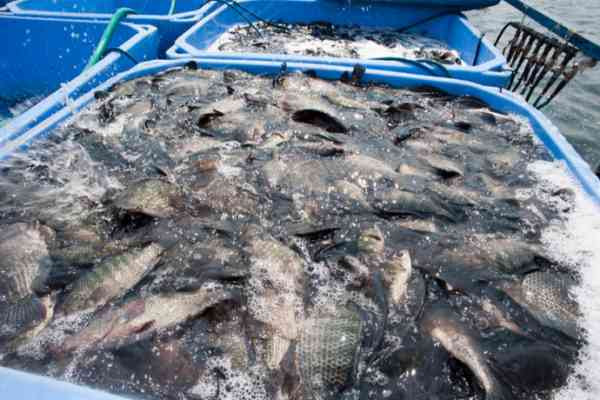
Vusumuzi Dube
An escalating fishing dispute on Lake Kariba has become more than just a territorial row between Zimbabwean and Zambian fishermen. Authorities warn that illegal operations on the lake are now driving significant illicit financial flows (IFFs), draining Zimbabwe’s tax base, fuelling cross-border smuggling, and undermining national efforts to sustainably manage one of the country’s most critical natural resources.
Despite a 1999 bilateral agreement granting Zimbabwean fishermen access to 55% of the fishing rigs on the lake, Zambian vessels now greatly outnumber Zimbabwean boats. Zimbabwean fishermen accuse their Zambian counterparts of illegally crossing into Zimbabwean waters to harvest Kapenta, a small but economically vital fish species, and selling it without reporting the catch to authorities such as the Zimbabwe Revenue Authority (Zimra).
“This money starts circulating in the country without being controlled,” said Dr. John Bhasera, Permanent Secretary in the Ministry of Local Government. “Fishermen are now operating outside the purview of Rural District Councils (RDCS) and Zimra, and they’re even using these proceeds to smuggle goods across borders—this is classic illicit financial flow behaviour.”
Lake Kariba is a shared resource governed by two distinct policy frameworks. Zimbabwe employs a decentralised management approach by tasking RDCs with monitoring fishing activities and collecting operational fees. In contrast, Zambia maintains a more centralised and less restrictive system. This lack of alignment has resulted in regulatory blind spots.
According to a 2017 study by Nyikahadzoi and Zamasiya, titled Dynamics of Transboundary Governance and Management of Small-Scale Fisheries on Lake Kariba: Implications for Sustainable Use, traditional community-based governance structures have eroded, leaving enforcement primarily in the hands of under-resourced state authorities. “The disparity in fishing controls has polarised the lake’s governance,” the researchers note. “Without coordinated enforcement and a shared strategy, illegal activity flourishes.”
In recent years, Zimbabwean fishermen have complained of intimidation by Zambian crews, who are reportedly armed and operate in restricted breeding areas. Efforts to abide by local fishing laws, such as using only legal eight-millimetre nets, have left Zimbabwean fishermen at a disadvantage against illegal operations using smaller, banned four-millimetre nets that capture even juvenile fish.
“We are sitting ducks,” said Richard Kaitano, a Zimbabwean fisherman based near Binga. “Zambians come in heavily armed and fish wherever they want. We try to follow the rules, but it feels like we’re being punished for it.”
Enforcement task forces composed of Zimra officers and the Zimbabwe Republic Police (ZRP) have encountered significant logistical challenges. Fishermen frequently evade detection by launching from unauthorised docks or spending weeks deep in the lake.
“What becomes tricky is when these fishermen get word of planned raids,” said police spokesperson Commissioner Paul Nyathi. “They disappear into the deeper parts of the lake, bypassing checkpoints and using back channels to sell their fish undeclared.”
The implications of these illegal operations extend well beyond resource depletion.
Sunday News investigations have indicated that these unscrupulous fishermen—armed with guns and other weapons—are engaging in overfishing from designated banned areas, including rivers and breeding zones, which are strictly prohibited by the Zimbabwe National Parks and Wildlife Management Authority (Zimparks).
They are reportedly using banned four-millimetre fishing nets, capable of catching even the smallest fish. The legal nets, as revealed by Zimparks, meant to be utilised are eight-millimetre nets that allow young fish to escape and grow to replenish the stock.
These operations bypass legal port entry points like the Zimra booth in Binga, depriving RDCs and national revenue agencies of critical income.
The Nyikahadzoi and colleagues study also states that fish catches on the lake have declined by more than 50% over the past two decades, threatening food security and economic livelihoods across the region.
According to an African Forum and Network on Debt and Development report on “Illicit Financial Flows: Towards a More Integrated Approach for Curbing Illicit Flows from Zimbabwe,” illicit financial flows from Zimbabwe between 2009 and 2013 indicate that the fisheries sector alone accounted for approximately 0.98% of total IFFS, representing a cumulative loss of US$28.04 million over five years.
This translates to an average annual loss of approximately US$5.6 million from the sector due to illegal activities, including illegal fishing, circumventing formal taxation systems, smuggling across borders, or laundering through informal markets.
The report states that for resource-constrained countries like Zimbabwe, the unchecked spread of the immediate impact of these illicit flows directly reduces tax revenue and undermines fiscal sustainability, environmental protection, and national development efforts.
Dr. Prosper Matondi, Permanent Secretary in the Ministry of Environment, Climate and Wildlife, acknowledged the worsening crisis. “Illegal fishing is undermining ecological sustainability and fiscal stability,” he said. “This is no longer just an environmental issue—a serious financial and governance problem that demands diplomatic urgency.”
As fish stocks dwindle, so do the opportunities for legal, regulated, and taxed trade that could support rural development and economic recovery in Zimbabwe. The current system enables millions in IFFs, weakening the country’s ability to plan public spending and finance basic services.
The Technical Committee on Development and Management of the Fisheries and Aquaculture of Lake Kariba has urged both Zimbabwe and Zambia to implement the terms of their 2014 agreement to reduce the number of fishing rigs on the lake and protect breeding grounds. However, progress has stalled amid rising tensions and a lack of political will.
Zimbabwe’s Parks and Wildlife Act [Chapter 20:14] provides a legal framework for permits, gear restrictions, and fishing zone designations. However, these regulations remain ineffective without Zambia’s joint enforcement and real-time cooperation.
Authorities in Zimbabwe are now trying to rebuild trust through community engagement. Commissioner Nyathi said police are working with traditional leaders to raise awareness about tax compliance and the risks of overfishing. “If we don’t act soon, we’ll wake up to a depleted lake and a completely informal economy around it,” he warned.
Zimparks spokesperson, Tinashe Farawo, said it was essential for authorities from both countries (Zimbabwe and Zambia) to engage and come up with a mutual solution to the crisis.
“This is something that is affecting both nations and has to be resolved as a matter of urgency,” he said.
The project received support from the Thomson Reuters Foundation as part of its global work aiming to strengthen free, fair and informed societies. Any financial assistance or support provided to the journalist has no editorial influence. The content of this article belongs solely to the author and is not endorsed by or associated with the Thomson Reuters Foundation, Thomson Reuters, Reuters, nor any other affiliates



 Online Reporter