Online Reporter
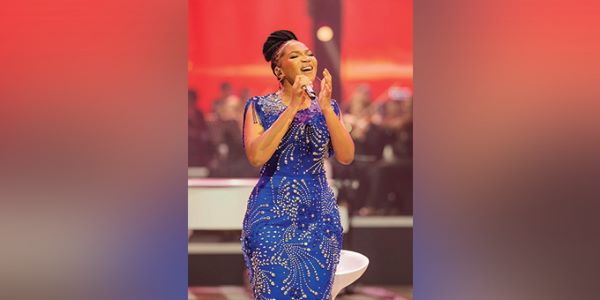
South African singer Makhadzi has issued a public apology after facing backlash over comments she made regarding the ongoing anti-immigration tensions in South Africa ahead of the planned 30 June protests.
The award-winning musician sparked heated debate on X (formerly known as Twitter) after sharing concerns about Venda-speaking South Africans allegedly being mistaken for foreign nationals in Gauteng.
In her initial post, Makhadzi reflected on her experience of moving to Gauteng from Limpopo in 2014, saying she felt pressured to learn Zulu to fit in.
She expressed concern over videos circulating online showing people being questioned over their identities and languages.
“I never thought not knowing Zulu is a crime in South Africa,” she wrote.
The singer also shared fears about what could happen on 30 June, when anti-illegal immigration protests are expected to take place across parts of the country.
“For the fact that I know him personally, I am so emotional, I am worried on 30 June you are going to chase also Vhavenda in South Africa, or you are going to kill us, this is now too much,” she said.
Following the backlash, Makhadzi returned to social media on Monday morning with a lengthy apology, clarifying that she never intended to offend South Africans.
“My lovely South Africans, I would like to clarify that I am not a politician. I might not have stated my mind in a good manner because English is sometimes a problem for me. But I am really sorry for those who were affected by my previous post,” she wrote.
The singer explained that her concerns stemmed from viral videos in which Venda- and Tsonga-speaking people were allegedly being asked to prove their citizenship because their languages were unfamiliar to others.
She also referenced a recent incident involving a Venda man being asked for identification by another South African citizen, saying the situation deeply affected her emotionally.
“As we are all looking forward to the 30th, I was really worried about others who are working in Gauteng who don’t know English, but they only know their language, which is Tshivenda,” she explained.
Makhadzi added that her biggest fear was for South Africans from minority language groups who could potentially be profiled or harassed during the planned protests.
“My stress is from those who are still ignorant to be exposed of how we speak as Venda people. How are we going to deal with this whole situation on the 30th? We must go around with IDs or what?”
She concluded her statement by apologising once again and saying she would be more careful when addressing sensitive topics publicly in the future.
“I am so sorry once again to all my people who were offended. We learn every day. Next time, I will keep quiet until I find a good way to approach any situation.” —News24