malvernmugadzikwa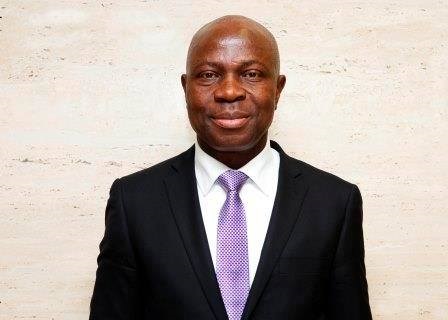
Theseus Shambare
THERE has been a tremendous infrastructural development in Zimbabwe for the past five years despite the country being under economic sanctions from Western countries.
International Labour Organization (ILO) director-general Mr Gilbert Fossoun Houngbo made the remarks during a panel discussion on Social Justice with workers and government representatives in Harare on Monday.
“I already see an improvement, a very clear improvement,” Mr Houngbo said.
He cited the importance of collective efforts by all players as the country makes efforts to manage its own currency.
“The workers raised the challenges associated with the exchange rate with me earlier. And you see, as hard as it is, one of my reflections was that, at the end of the day, it’s not an issue for the government, it is an issue for the people of Zimbabwe to build their own economy,” said Mr Houngbo.
He lamented that sanctions have had a significant impact on Zimbabwe’s economy, particularly on the poor rural population.
“I come from a country that has gone through 18 years of sanctions,” he said, referring to his native Togo.
“So we had those sanctions, but at the end of the day, I believe those who pay the price of the sanctions were the poor rural people.”
Despite these challenges, Mr Houngbo expressed confidence in Zimbabwe’s ability to overcome them.
“I’m very confident. What you are doing is not just for you. You are doing it for Africa to realise its own value,” he said.
Mr Houngbo’s two-day visit in Zimbabwe, which ends tomorrow is part of the ILO’s efforts to support the country’s economic development and social progress as he meets with the Government, labour organisations as well as the business community.
The ILO has been working closely with the Government, employers and workers to promote decent work, social justice and sustainable development.
As the ILO Director-General, Mr Houngbo has been calling for greater international cooperation to address global challenges, including inequality, poverty and climate change.
Tripartite Negotiation Forum member, Zimbabwe Congress of Trade Union president Ms Florence Taruvinga concurred that the exchange rate was part of the discussion with the ILO director-general.
“We are very much grateful as organised labour that we are in a position to air out all our issues on a very much given time for us to speak to them, so that as he is going to engage with business and employers, we will be also in a position to understand our issues as organised labour.
“And of particular interest, the issues that I would want to highlight is the issue of discrepancies between the local currency and the market dictate, where workers are earning their salaries in local currency and the market is demanding and detecting a payment in US dollars,” said Ms Taruvinga.
Employers’ Confederation of Zimbabwe (EMCOZ) president Mr Demos Mbauya (Business Team leader) said the meeting emphasised the importance of social justice and dialogue in any country.
“Why is social justice important? The Director General called for the need to entrench social dialogue in Zimbabwe. Discussions, conversations between government, business and labour are important.
“This is where, as business, we have offered our commitment that as we look at the sanctions-related challenges facing Zimbabwe, we are committed to social dialogue,” said Mr Mbauya.
Feedback: X@TheseusShambare


 Online Reporter