admin
admin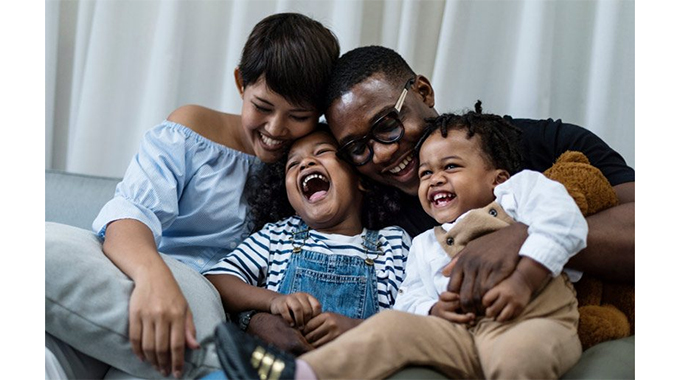
Laina Makuzha-LOVE by DESIGN
My enthusiasm was palpable when I stumbled upon the Institute for Family Studies (IFS), whose dedication to fortifying marriage and family life aligns perfectly with my own values.
Their commitment to advancing the well-being of children and families through research and education resonated deeply with my own passion for nurturing family relationships.
This encounter inspired me this week to delve into the significance of strong families, exploring the characteristics that define them, and sharing practical strategies to assess and fortify your own family bonds. So what makes a family strong?
What are the tell-tale signs of a family that needs more effort to strengthen — or what we might regard as red flags?
How can we nurture these vital relationships?
A strong family is one that is built on a foundation of love, respect, communication, and trust. It is a safe haven where individuals feel accepted, valued, and supported unconditionally.
In a strong family, members prioritise each other’s well-being and happiness, fostering a sense of belonging and security.
It is the foundation upon which individuals grow, learn, and thrive.
Which is why some individuals without love or solid family support face a myriad of challenges.
Factors that constitute a strong family may differ, based on various factors.
Nonetheless, there are some undeniable qualities that distinguish strong families from the rest. In a world where relationships come and go, the importance of a strong family unit cannot be overstated.
A strong family is not just a group of people who share the same last name or DNA; it is a source of unwavering support, love, and stability in our lives.
I believe strong families play a vital role in society, have safer streets, wellness and sustainable societies at large. Think about it.
Ask yourself this: Would you say your family is strong or needing some work?
Whatever your response, what would you say is your contribution to its current state?
Here are some qualities of a strong family to consider, whether in a relationship or not, whether married or not:
Communication is key to a strong family.
Open and honest communication creates a nurturing environment where feelings and thoughts can be expressed without fear of judgment.
Healthy conflict resolution skills are also paramount, as disagreements are inevitable in any relationship. Respect among family members is another essential quality.
Respect for each other’s opinions, boundaries, and autonomy cultivates an atmosphere of mutual understanding and appreciation.
Additionally, trust and reliability bind family members together, creating a sense of dependability and solidarity.
Checking If your family is strong
One way to gauge the strength of your family is to evaluate the level of support and connection among its members. Do you feel comfortable sharing your thoughts and feelings with your family? Do you trust them to be there for you in times of need?
Reflecting on these questions can provide insight into the strength of your familial relationships and where you see need for greater effort.
I propose a small assignment for you and I. What can you do today to improve on the current state of affairs in your family relationships, if anything?
Importance of strong families in society
Strong families play a crucial role in shaping individuals’ psychosocial development and well-being.
Children raised in strong families are more likely to exhibit resilience, empathy, and social competence, setting a strong foundation for their future relationships and contributions to society. The opposite is also true, and we did touch on this in recent weeks.
Strong familial bonds also contribute to mental health, reducing the risk of anxiety and depression.
They should model and inspire good behaviour, provide protection, meet physical and emotional needs Offer guidance in all areas of life among other things.
The influence of strong families extends beyond individual or family’s well-being, to the broader community. In my past life, I used to dedicate an hour of late night shows, to love and relationships, and I would always indicate during that hour that I was seeking to build “stronger relationships, stronger families, stronger communities and society at large.” This passion remains with me.
Indeed strong families foster a sense of belonging and connectedness, which in turn nurtures a supportive society. Communities with strong families experience lower rates of crime, substance abuse, and social problems, as the family unit serves as a protective shield against negative influences. Furthermore, strong families contribute to the social fabric by instilling values of kindness, empathy, and cooperation in future generations. Strong families also help in decreasing dependency on welfare programmes.
To cultivate a stronger family, consider the following:
Schedule regular family time. You can use the time to catch up on how each family member is doing, or what their week is looking like, or if they have any pressing matter that needs support, or just a celebration. Families should learn to celebrate one another in this life, not only when someone has departed.
Practice active listening and empathy. This may seem over rated or a cliché but active listening is a skill that might need to be learned by some.
Establish clear values and goals. What family can stand, without any values?
Encourage open communication. An environment where each member feels safe to speak, heard and appreciated, can go a long way in building confidence and promoting love within a family unit.
Show appreciation and gratitude. This is not only for children, whom we teach to say please and thank you. Adults need to also genuinely appreciate and encourage the contribution and efforts of other family members.
We’d love to hear from you! Share your insights, experiences, or questions about building a strong family. What qualities do you think are essential? How has your family overcome challenges?
Ultimately, building a strong family is not just a personal endeavour; it is a societal imperative. As we strive to create a more harmonious and compassionate world, nurturing strong family relationships is a fundamental step. I invite you to share your thoughts, insights, or experiences on the importance of strong families in shaping our communities. Together, we can cultivate a culture that values and supports the foundation of society: the strong family unit. So let’s keep the conversation going:
Feedback: Whatsapp: +263719102572; Email: [email protected]



 Online Reporter