Online Reporter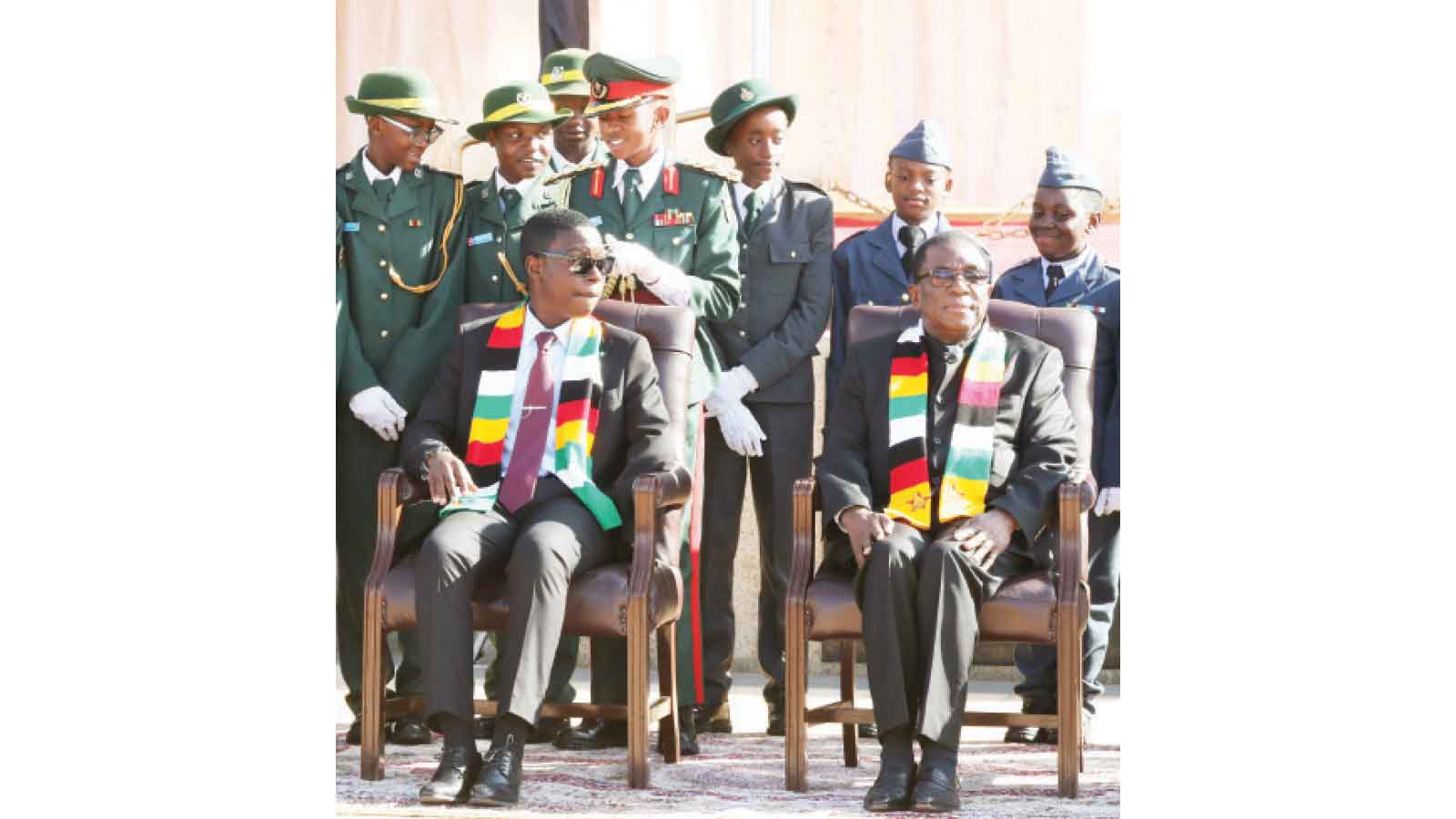
Farirai Machivenyika-Senior Zimpapers Reporter
“YOUR selection is not only a recognition of your leadership potential, but also a call to serve, to represent and to speak broadly on behalf of the children of Zimbabwe. The responsibility you carry is significant, and I do not doubt that you will rise to the occasion with diligence, discipline and integrity.”
These were the words of Child President Tinashe Mugodhi in his opening remarks at the 34th Session of the Children’s Parliament, held at the new Parliament Building on Wednesday.
Established by the Government in 1991, the Children’s Parliament provides children aged between 12 and 18 with a structured platform to participate in governance, voice their concerns and advocate for child-friendly legislation.
Its creation aligns with the recommendations of the United Nations Convention on the Rights of the Child.
Rising to the Child President’s challenge, the young parliamentarians spoke passionately as they debated a motion centred on this year’s theme: “Ensuring Universal Access to Water, Sanitation and Hygiene for Every Child in Africa.”
Their contributions highlighted critical issues, including the provision of free sanitary wear in schools, particularly in rural areas, the construction of ablution facilities catering for children with disabilities, and the drilling of boreholes to ensure access to clean water.
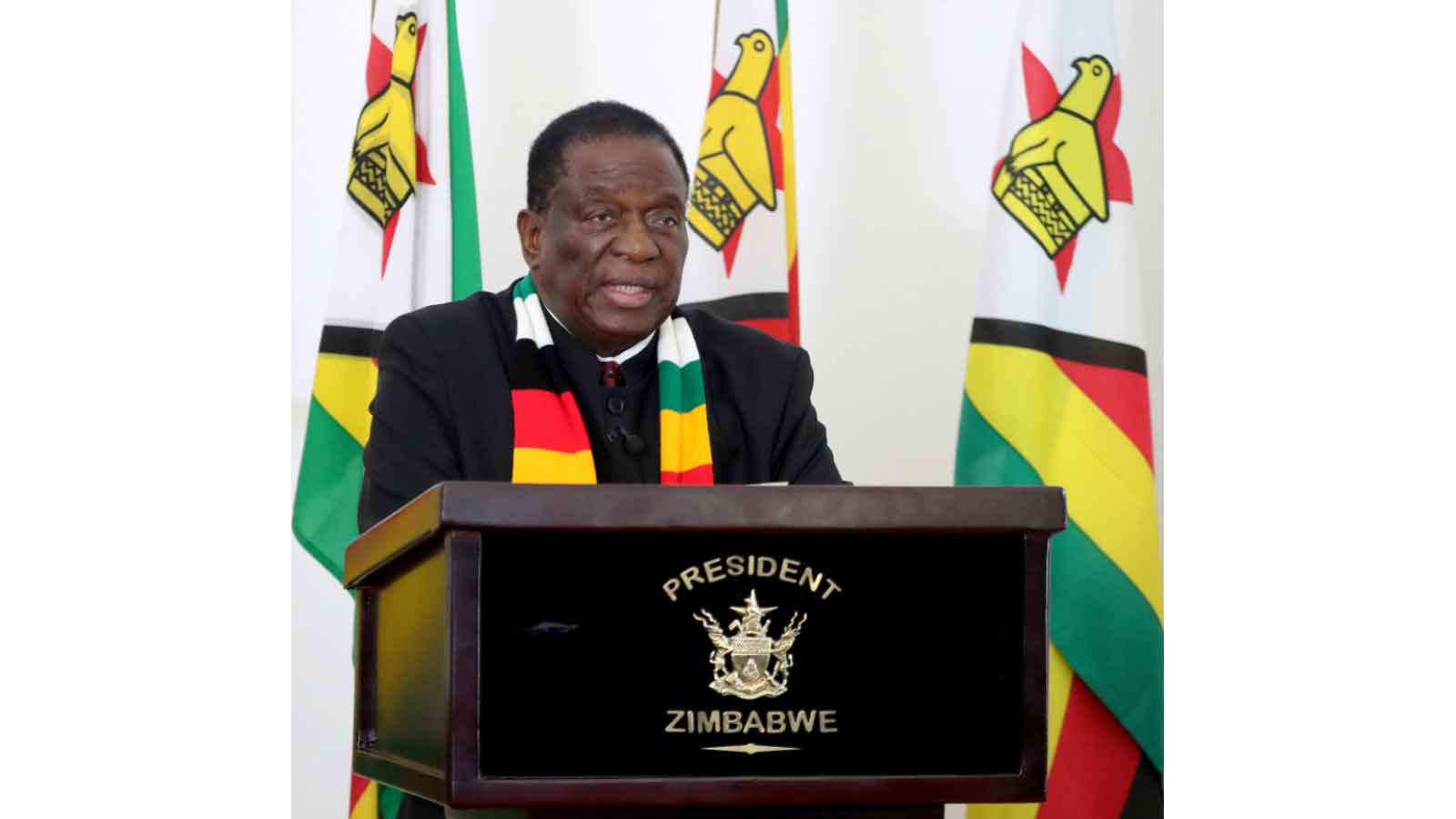
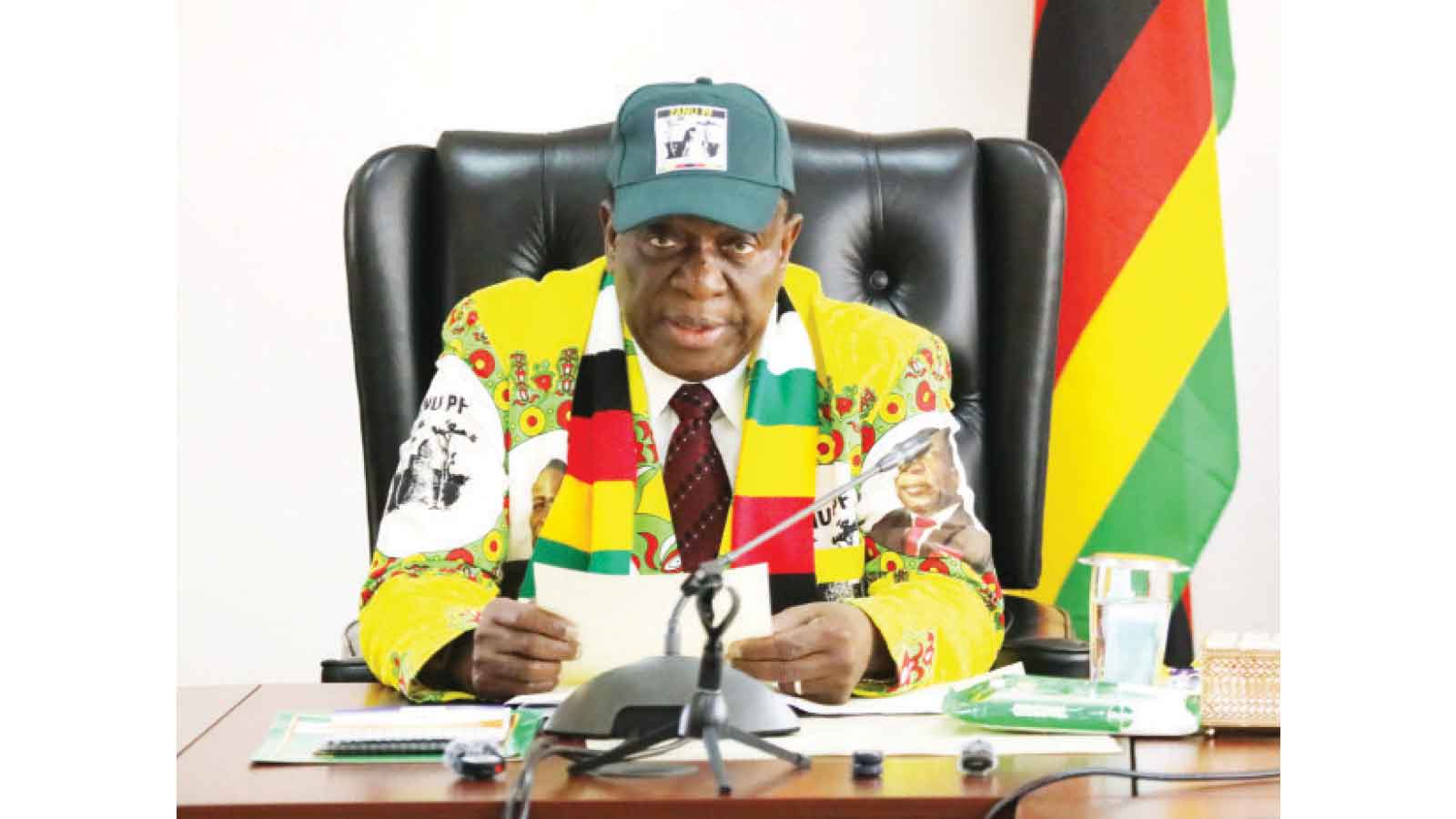
President Mnangagwa and several Cabinet Ministers attended the debate, and the ministers were given an opportunity to respond to the issues raised by the Child MPs.
Muzarabani Child MP Carl Muchenje noted that schools in his district faced severe shortages of both clean water and proper sanitation facilities.
Fellow parliamentarian Charity Chanda emphasised the need for the Government to prioritise children with special needs.
“This includes the provision of assistive devices to support them,” she said.
Leona Nicole raised concerns that some female students, especially in rural areas, were missing school because they could not afford sanitary wear.
“Government should ensure that there is free sanitary wear in schools, especially reusable pads,” she urged.
In his remarks, President Mnangagwa acknowledged the Child MPs’ concerns regarding the quality of education.
“I note your concerns on access, quality and relevance of the education you are receiving,” he said. “I want to assure you that the education system of our country is evolving, with the Heritage-Based Curriculum and competency-based model forming the bedrock of our national development.
“Government is expanding school infrastructure, modernising learning environments and improving access to teaching and learning materials. Greater emphasis is being placed on digital and industrial skills, as well as innovation, so that all children are prepared for life beyond examinations in an ever-evolving world.”
Health and Child Care Minister Dr Douglas Mombeshora assured the session that the Government was working tirelessly to improve health and hygiene services in communities.
“Through the Ministry of Health and Child Care, Government is working to ensure adequate health, water and sanitation facilities in our communities,” he said.
He added that measures being implemented include the recruitment of community and village health workers and the ongoing construction of clinics nationwide, with boreholes being drilled at health facilities where possible.
Finance, Economic Development and Investment Promotion Minister Professor Mthuli Ncube said the Government would continue mobilising funds for water and sanitation facilities.
“We have devolution funds and the Constituency Development Fund, which also go towards the provision of health facilities and clean water,” he said.
Professor Ncube added that the Government was assisting local authorities in acquiring borehole-drilling rigs.
The session was held under the theme: “Ensuring Universal Access to Water, Sanitation and Hygiene for Every Child in Africa.”
The Junior Parliament of Zimbabwe is a replica of the Parliament of Zimbabwe and provides a platform for young people to participate in matters that concern them.
The platform, therefore, provides an opportunity for young people to engage with Government and deliberate on their needs, concerns, ideas and views.
The participation of young people in matters that concern them is provided for in the country’s Constitution, the National Youth Policy 2020-2025, the United Nations Convention on the Rights of the Child and the African Charter on the Rights and Welfare of the Child.
The Junior Parliament of Zimbabwe provides an opportunity for Government to capture the thoughts and experiences of children and young people from all 210 constituencies across the country.
Over the years, it has become instrumental in highlighting the concerns of young people in schools and communities on pressing issues such as drug and substance abuse.