


 tawandamusarurwa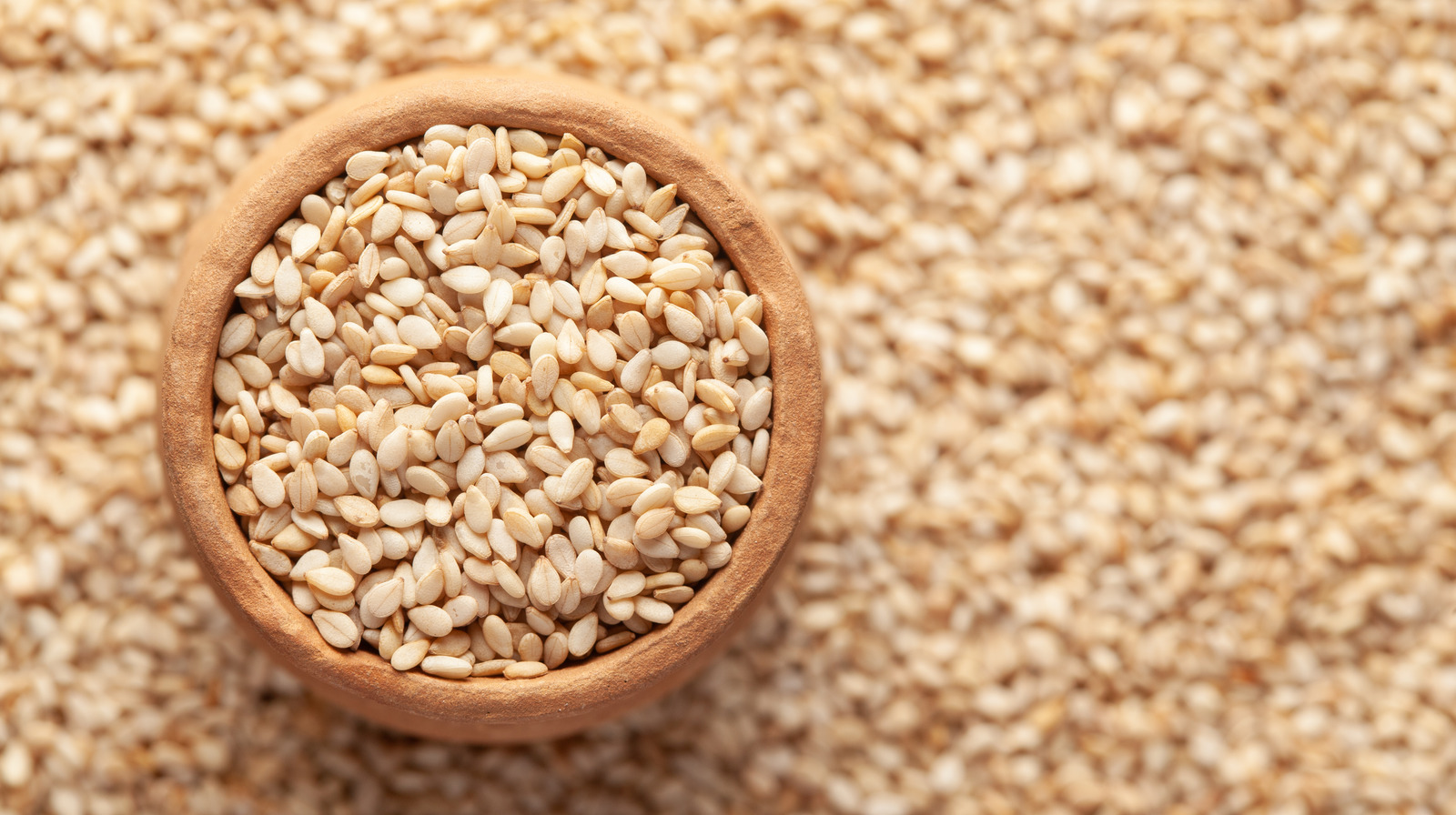
WORD FROM THE MARKET
Cliff Chiduku
SESAME has become a crucial crop in Zimbabwe in recent years, contributing significantly to the country’s economic well-being and providing livelihoods for many farmers.
The growing production of sesame can be attributed to factors such as an ideal climate, right soil conditions and various Government interventions.
Sesame is a tiny seed crop that can be grown primarily for its high edible oil.
Of late, the demand for sesame has been on a steady rise as many people now prefer healthy foods. The crop is the best alternative to cotton. It is cheap and easy to grow, as compared to other oil seeds.
The cultivation of sesame also intersects with climate change considerations. As a drought-tolerant crop, sesame has the potential to be resilient in the face of changing climatic conditions.
Its ability to thrive in semi-arid environments makes it a valuable option for Zimbabwe, which has of late been experiencing erratic rainfall patterns due to climate change.
Sesame seed production in Zimbabwe has a long history, with the crop being cultivated for both domestic and export purposes.
The crop has been grown mostly in cotton-producing areas such as Hoya, Triangle, Masvingo, Rushinga, Mudzi, Muzarabani, Chipinge and Chiredzi.
The seed is also used in the production of dietary supplements, oils, confectionery, pastes and snacks. Additionally, it is used as raw material in the manufacturing of pharmaceuticals and cosmetics.
Growing sesame can be a rewarding endeavour, but the crop requires specific conditions and care to thrive. Sesame thrives in warm climates and requires well-drained and fertile soils.
Sesame plants typically mature within 90-120 days after planting. Harvesting should occur when the lower leaves have turned yellow, and the seed capsules have turned brown.
Cut the plants near the ground level and hang them upside down to dry before threshing to extract the seeds.
Tanzania is the world’s largest producer of sesame seeds and one of the continent’s largest exporters, according to the latest available data from the Food and Agricultural Organisation (FAO).
Other top sesame-producing countries in Africa are Ethiopia, Uganda and Nigeria.
The major exporting destinations for sesame are China, Japan, India and Singapore. According to FAO, the global sesame market is expected to jump to US$17,7 billion by 2025.
The production forecast is expected to reach 9,26 million tonnes in 2040, up from 5,53 million tonnes in 2017.
The demand for sesame seed and related products in China is expected to top 2,56 million tonnes in 2040, up from 1,3 million tonnes in 2016.
In recent years, sesame producers have been facing various challenges that are affecting production.
These include erratic weather patterns caused by climate change, limited access to modern agricultural technologies and inadequate infrastructure for transportation and storage, as well as fluctuations in market prices.
Pest infestations and diseases have also been a problem of late.
As a climate change mitigation measure, local farmers are encouraged to grow sesame since it is drought-tolerant.
Farmers can also use retained crops as seeds, but some import varieties such as Lindi can also do well locally.
One problem that is scaring away investors in the sesame value chain is the issue of side marketing.
However, the Agricultural Marketing Authority (AMA) is engaging farmers and buyers, especially from Mozambique, to instil discipline in the sector.
Growers are encouraged to deal with local merchants registered with AMA.
Owing to the significance of sesame to Zimbabwe’s economy, Government has implemented various initiatives to support production and improve the livelihoods of farmers.
These initiatives include provision of subsidies for agricultural inputs, training programmes on modern farming techniques and facilitation for access to credit facilities for small-scale farmers.
Zimbabwean sesame producers can tap into both domestic and international markets.
The global demand for sesame products presents an export potential for Zimbabwean producers. Additionally, the growing interest in healthy foods has increased the demand for sesame-based products globally.
Sesame production in Zimbabwe plays a significant role in the country’s agriculture sector.
Despite facing challenges, there are opportunities for growth and development within the industry.
With supportive Government policies and access to modern agricultural practices, local sesame producers can further enhance their productivity and contribute to the attainment of Vision 2030 goals, of transforming Zimbabwe into an upper middle-income economy.
Word from the Market is a column produced by AMA to promote market-driven production. Feedback: [email protected] or WhatsApp/Call +263781706212



 Bongani Ndlovu