admin
admin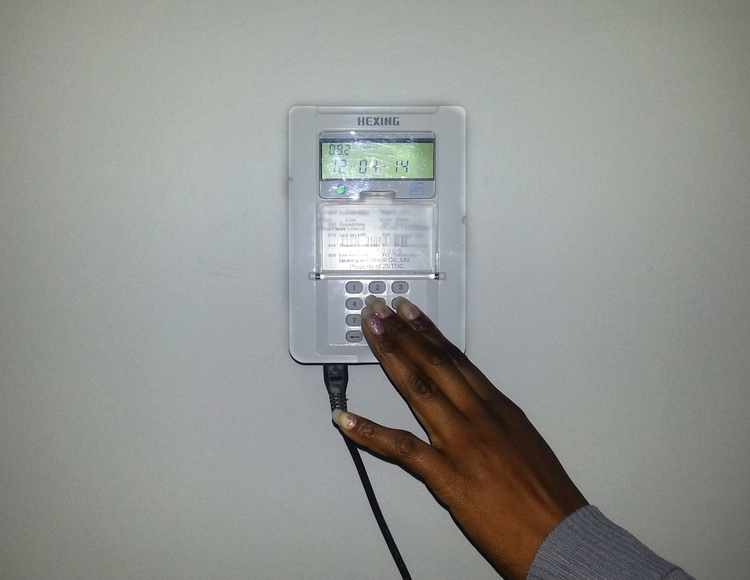
>> Prepaid meter system sighted
>> Power stations at full throttle
 ZIMBABWE is gradually shifting from rolling blackouts to sustained power supplies, as the effects of demand-side management – spurred by the installation of pre-paid electricity meters – begin to have a telling effect on local electricity supplies.
The Zimbabwe Electricity Supply Authority is also planning to increase imports to 300MW from this year in a bid to enhance countrywide electricity supply.
More than 95 percent of the targeted 544 000 pre-paid meters have been installed.
There is, however, concern that demand for power, especially from industry, remains muted and companies continue to struggle to stay afloat.
Zesa spokesperson Mr Fullard Gwasira last week said installation of pre-paid meters had resulted in significant power savings.
“The easing of load-shedding is a result of stability in electricity generation as all our power stations are contributing significantly to the national power grid.
‘‘The power utility has a stable power purchase agreement with Hydro Cahora Bassa of Mozambique where we are accessing 50MW with a possibility of getting even more subject to availability at source.
“(Zesa subsidiary) The Zimbabwe Electricity Transmission and Distribution Company has also covered adequate ground in achieving energy conservation through various demand side management initiatives.
“Chief among those initiatives is the installation of pre-paid meters wherein 95 percent of domestic premises countrywide have been covered and consumers have become conscious of conserving electricity as they are now paying before consuming.
“The energy conservation initiative through pre-paid meters has resulted in a saving of between 23 percent and 27 percent rate, a development that has significantly relieved the national electricity grid hence a reduction in load shedding.
“CFL energy bulbs have also contributed to energy savings,” he said.
Zimbabwe has witnessed stable power supplies since the festive season.
Presently, Kariba South Hydro Power Station generates 750MW, while Hwange Thermal Power Station averages 500MW.
Smaller thermal stations are also contributing to the national grid: Harare Power Station generates 20MW, Munyati 18MW and Bulawayo 26MW.
Overall, around 1 269 MW is being generated by Zesa’s internal electricity generating assets and that power base is being augmented by imports of 50MW from Mozambique.
However, some of Zesa’s generated electricity is exported to neighbouring countries as electricity cannot be stored and should be used as it is produced.
Zesa says electricity cuts being experienced in some parts of the country were due to technical faults.
Zimbabwe, during peak periods, is estimated to require about 2 200MW of electricity against installed generation capacity of about 1 200MW, with the shortfall imported.
Zesa’s subsidiary, the Zimbabwe Power Company, has begun expanding Kariba South Hydro Power Station and Hwange Thermal Power Station to boost their generation capacities.


 Online Reporter