Online Reporter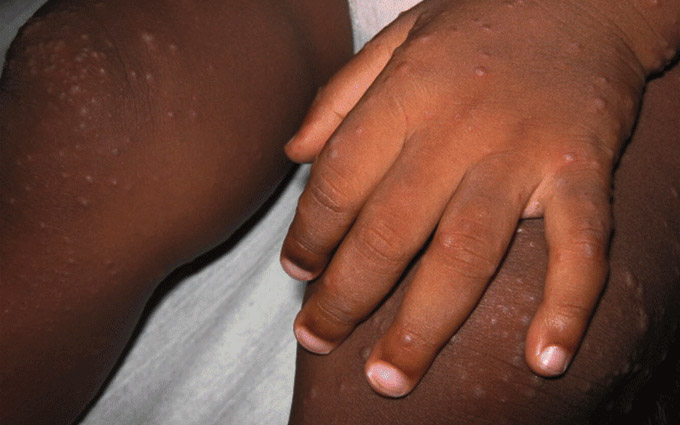
Tendai Gukutikwa
Health Reporter
HEALTH authorities in Mutare are on high alert after 562 suspected cases of Hand, Foot and Mouth Disease (HFMD) were reported in the city as of Wednesday night.
According to the Mutare City Health Department, the cases are distributed as follows – Chikanga (136), Gimboki (112), Hobhouse (99), the Central Business District (95), Dangamvura (41), Florida (37), and Sakubva (31).
This comes as cases of the viral illness continue to rise in other major cities, including Harare and Bulawayo.
City of Mutare confirmed the suspected outbreak through a public notice issued on Monday, indicating it had begun monitoring affected suburbs and engaging health facilities to assess the situation.
Council spokesperson, Mr Charles Sadondo urged residents to be vigilant and take steps to prevent the spread of the disease.
HFMD is a common viral illness that mainly affects children under the age of 10, causing symptoms such as fever, mouth sores, and a rash on the hands and feet. The authorities are taking proactive measures to contain the outbreak, including monitoring affected areas and engaging with health facilities.
Residents are advised to practice good hygiene, such as washing hands frequently, to prevent the spread of the disease.
The public notice did not specify the number of suspected cases or the affected suburbs, but urged residents to be on the lookout for symptoms and seek medical attention if they suspect infection.
City of Mutare urged parents, schools, and childcare centres to take precautions to prevent further spread of the disease, including promoting good hygiene practices and monitoring children for symptoms.
“We have been notified of suspected cases of hand, foot and mouth disease in the community, especially among children below 14 years,” said Mr Sadondo, adding that although the disease is typically mild, failure to manage early symptoms can lead to complications.
“HFMD is a viral illness that mainly affects young children under five years, and while often mild, these blisters can lead to complications such as infection, pain, itching and skin damage if not properly managed. This condition is infectious and spreads through direct skin-to-skin contact with an affected person or through contact with saliva, mucus or fluid from the blisters,” said Mr Sadondo.
He added that without early containment, the number of infections could rise sharply.
“If not controlled promptly, it can spread rapidly, increasing the number of cases and associated illness,” he said.
HFMD, which is caused by a group of enteroviruses, is known for its distinctive symptoms.
Children may present with blisters or rashes on the palms, feet, buttocks, face and limbs. Other common symptoms include fever, sore throat, mouth sores, discomfort, tiredness and loss of appetite. The illness is highly contagious, especially in the first few days.
The notice released by the council reads: “The City of Mutare would like to advise residents and stakeholders that there have been reported cases of suspected Hand, Foot and Mouth (HFMD) in the community, particularly among children below 14 years. HFMD is a viral illness that mainly affects young children under five years. While often mild, these blisters can lead to complications such as infection, pain, itching, and skin damage if not properly managed. This condition is infectious and spreads through direct skin-to-skin contact with an affected person or through contact with saliva, mucus, or fluid from the blisters. If not controlled promptly, it can spread rapidly, increasing the number of cases and associated illness.”
Health officials are urging parents, guardians and teachers to familiarise themselves with these signs and seek medical attention early. Schools, in particular, have been encouraged to strengthen hygiene protocols and ensure proper ventilation in classrooms.
The statement stressed that residents should not take chances when symptoms appear, and also advised parents on the types of foods that can help affected children recover more comfortably.
Soft, bland foods such as mashed sweet potatoes, pumpkins, eggs, soups and milk can reduce discomfort, especially when mouth sores are present.
The council also outlined several preventative measures for households, schools and community institutions, including regular handwashing with soap and water, avoiding handshakes or close contact with sick individuals, and refraining from sharing towels. Parents have also been encouraged to disinfect shared items such as toys, door handles and surfaces that children frequently touch.
“The virus spreads easily in crowded and poorly ventilated places,” Mr Sadondo said, urging families and institutions to ensure proper airflow in homes, schools and day-care facilities. He also encouraged residents to report suspected cases to the nearest health facility for early intervention and monitoring.
Public health monitoring teams are expected to continue surveillance in communities where symptoms have been reported, and city authorities say they will issue further updates as more information becomes available.
The suspected outbreak in Mutare comes at a time when Zimbabwe’s major metropolitan centres have already recorded confirmed HFMD cases.
Harare raised its alert levels earlier after reporting infections in several schools, prompting temporary closures of early childhood development (ECD) classes in affected areas. Bulawayo also confirmed cases shortly after, triggering heightened surveillance in day care centres and primary schools.
Public health experts have repeatedly warned that the disease tends to spread quickly once it penetrates densely populated communities, especially where children interact in large numbers.