Online Reporter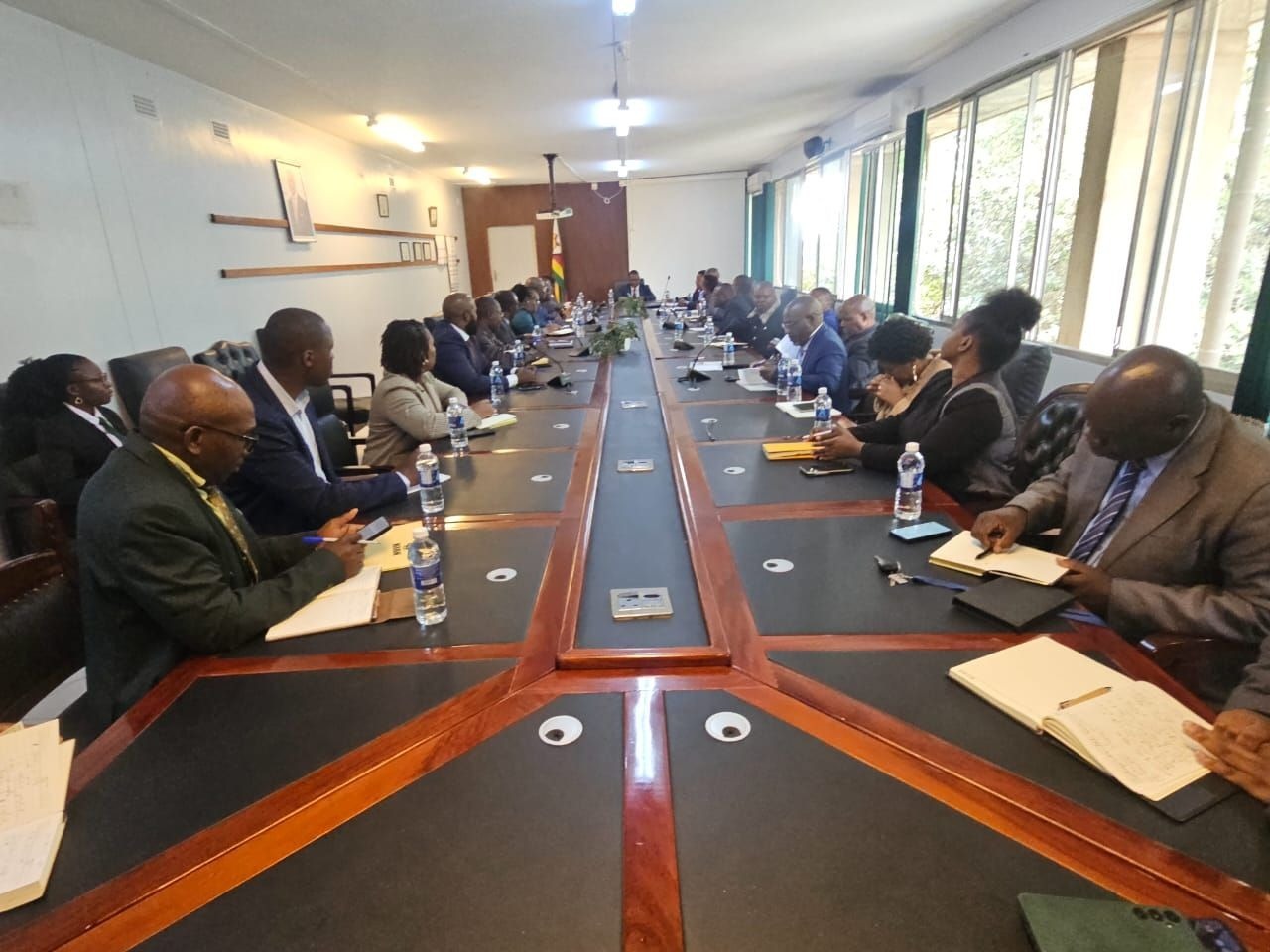
Judith Phiri, Zimpapers Business Hub
THE Ministry of Lands, Agriculture, Fisheries, Water and Rural Development has called for sustained collaboration among key stakeholders to unlock growth in Zimbabwe’s livestock sector, as the country targets a US$25 billion livestock economy by 2030.
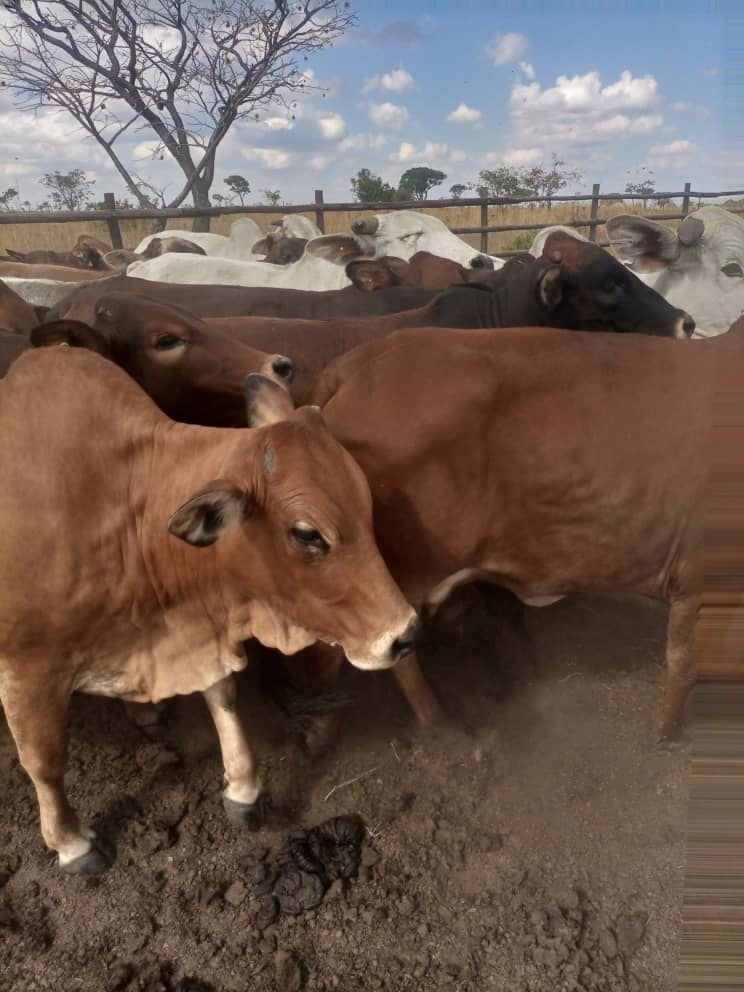
The livestock sector remains a cornerstone of livelihoods for more than 60 percent of Zimbabwe’s population, providing nutrition, income and employment, while also playing a critical role in the country’s economic recovery and growth agenda.
Zimbabwe is intensifying efforts to expand its national herd to 12 million cattle by 2034, a target now considered attainable following the growth of the country’s stud livestock population, which has surpassed 24 000 registered animals.
Speaking during a stakeholder engagement meeting in Bulawayo ahead of the upcoming Livestock Conference, the Ministry’s Permanent Secretary, Professor Obert Jiri, emphasised the importance of sustainable collaboration across the value chain.
“The focus should include genetics, animal health and nutrition, with an emphasis on technology integration and climate-smart practices. The goal is to transform livelihoods, particularly in livestock-dependent regions such as the Matabeleland provinces. Zimbabwe could increase its herd from 5,7 million to 6,6 million by 2030,” said Prof Jiri.
The Livestock Conference, hosted by the Zimbabwe International Trade Fair (ZITF) Company, is scheduled to take place from March 19 to 20, 2026. The engagement brought together the Ministry and a ZITF Company delegation led by chief executive officer Dr Nicholas Ndebele.
Reflecting on the inaugural Livestock Conference held last year, Dr Ndebele said the event attracted over 200 delegates and created an important platform for engagement between farmers, policymakers and industry players.
He said the ZITF Company remains committed to working closely with technical experts to ensure the conference delivers practical guidance, policy alignment and meaningful impact within livestock-producing communities.