admin
admin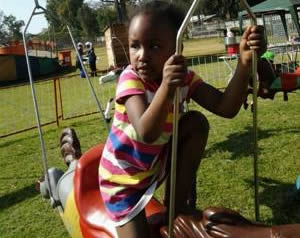
This week I came across several articles, reports, posts and messages from different people in my circles. Some of them are resident here in Zimbabwe but some are based outside the country and have been resident there for some time now. What was amazing about all the articles, reports, posts and even blogs was that they were all talking about the same issue; or rather shall I say the same person. Five-year-old Natasha Sanyanga, who is suffering from aplastic anaemia, a condition which means her bone marrow and the blood cells found within the bone marrow are damaged, was the common denominator in all of this.
Her red blood cells, according to her family white blood cells and platelets are failing, severely weakening her immune system. In addition, her blood does not clot, meaning she has an increased risk of hemorrhaging to death if she gets hurt.
Natasha first came to my attention after I read an article in one of the newspapers about her. While hers was not and will not be the only article to come out in the media about a child with some serious condition that requires surgery or treatment outside our borders; what struck me about the little girl was her age.
As a mother I was quick to notice that this precious daughter of someone else’s is exactly the same age as my own precious daughter. That always makes one do a reality check. You then realise how easily it can be your child in a similar situation.
Being someone who is very interested in health matters, I was also curious to find out what condition she was suffering from and how it was detected. I was somewhat alarmed to find out that Natasha, like every other child had grown up normally and the first sign of problems came when she started developing some patches on her skin.
Tests conducted later revealed she had this condition and her health was at serious risk. To make it she needs a bone marrow transplant from a matching donor to replace her failing bone marrow cells.
This procedure, however, cannot be done in Zimbabwe but in South Africa or India.
And it costs a whopping US$100 000. That was the other thing that certainly caught my attention as I realised just what a difficult feat the family had ahead of them. I sat up and asked myself why fate had to be so cruel. There are amounts that I have seen in the papers at times being asked for to help treat little children but they have not been as huge.
As I went onto Facebook and other platforms I realised I was not the only one who had sat up over Natasha’s case. Responses from my colleagues showed me that there were many of us thinking along the same lines.
Many posted messages calling for donations on their walls while others in-boxed colleagues; showing that in their own way, everyone was doing something.
As I write a dinner was held on Thursday which saw artistes like Tuku, Selmor Mtukudzi, Baba Shupi and Tariro neGitare, among others; perform in a bid to raise the necessary funds. It is that spirit that I have seen coming to the fore over this little girl’s issue that I want to touch on.
I was a bit surprised, however, that no big corporates chipped in. By the time this goes to print I hope some of our banks, mobile phone companies and big retailers, among others, will have chipped in too.
They have done it before. They can do it again. A rather outspoken friend of mine posted on my wall the other day: “You wonder where all those rich people in this country are while this is happening.”
Of course we laughed it off but I could understand her frustration. She was thinking about a life, a young life that still needs to be lived and this huge amount that stands between it and life.
I frantically sent via WhatsApp appeals for donations for this child to all the Ministers, businesspeople, religious people, mothers, fathers, you name it; in my contacts last week.
I am glad one Minister even responded and asked for a meeting with the family. I hope it happened and something came out of it.
Natasha is not the first and she will not be the last child to face a life-threatening condition that requires expensive treatment and treatment outside this country. But what her case has done is to show me the strength that is in numbers and working in unity.
Yes, the money required is a lot but her family and Zimbabweans behind them, irrespective of where they live and come from, what their totem is, among other issues, are doing their best to help.
Whether it is donating a dollar, a thousand, giving a blanket, saying a prayer, spreading the word or just giving the child’s family a much needed hug, I have seen a coming together that amazes me.
I am a firm believer in the saying that everything happens for a reason and I believe that there is a reason for this. I have seen lawyers, journalists, development workers, artistes, housewives — you name it — all jump on board to do their bit.
A friend who is now resident in the United States was sharing about how much she misses home the other day, saying there is something about Zimbabweans that sees even the poorest person getting a burial through donations, which sees people rally around orphaned children, which sees people come together in times of crisis.
Of course they may gossip (which we are known for as human beings) but the job will be done. She was lamenting how there was none of that in a foreign land.
She said she could not even mourn about how broke she was to anyone because there was no time for that.
You see the difference?
May we do this for all in need and may Natasha make it!


 Online Reporter