Online Reporter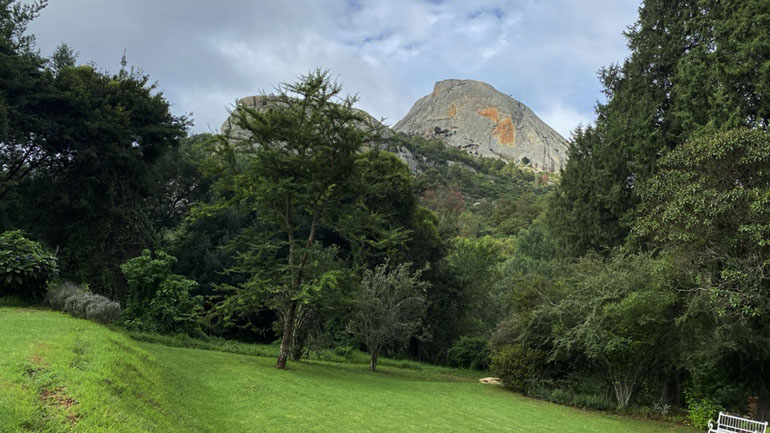
Liberty Dube
Tourism Correspondent
THE Eastern Highlands of Manicaland have always been known for their misty mountains, rolling green valleys, and breath-taking views.
During the Easter holidays, many travellers flock to the usual scenic spots, which include Nyanga’s cool air, Vumba’s botanical gardens, or Chimanimani’s rugged peaks.
But for those seeking something more exhilarating, something that blends adventure, history and discovery, treasure hunting offers a unique and unforgettable experience.
Treasure hunting is not just about finding gold or hidden riches. It is an exploratory activity that combines hiking, historical curiosity, and sometimes a bit of science. It can involve searching for ancient artefacts on the surface, using metal detectors to locate historical objects, or exploring geological formations for minerals like quartz or traces of gold.
More importantly, it is about uncovering stories, which are pieces of the past that connect us to the people who once lived, worked, and thrived in these landscapes.
Manicaland is one of the best regions in Zimbabwe to embark on such an adventure. Its mountains, ruins, and heritage sites hold centuries of human history, from ancient Iron Age communities to early colonial settlements. The diversity of the Eastern Highlands makes every expedition feel like stepping into a different world.
In Mutare, one of the most fascinating starting points is Fort Hill, also known as Old Mutare. This historic site marks the original settlement of the town and offers a glimpse into the early colonial era. While exploring the hill, one can imagine the lives of early settlers and traders who once occupied the area. For those interested in historical artefact hunting, this site holds the potential for discovering relics from that period, although care must always be taken to respect heritage regulations.
Not far from there lies Murahwa Hill, locally known as Gomo Rembira, popularly known as the Hill of the Rock Rabbit. This national monument is both a natural reserve and an archaeological treasure trove. Over the years, items such as pottery, soapstone pipes, gold smelting tools, and glass beads have been uncovered here. Walking through Murahwa is like stepping into an open-air museum, where every rock and cave whispers stories of ancient communities. With its rich biodiversity, including hundreds of tree species and rare butterflies, the hill also offers a peaceful and educational experience for nature lovers.
Further north, in Nyanga, lies the expansive Ziwa Ruins, covering an impressive 40 square kilometres. These ruins are remnants of ancient farming communities that thrived during the Iron Age. Scattered across the landscape are stone structures, tools, and pottery fragments that hint at a once-vibrant civilization. While treasure hunting within protected areas is often restricted, simply exploring and observing these ruins provides a thrilling sense of discovery and connection to the past.
For those more inclined towards mineral prospecting, the Rusape area offers exciting opportunities. Some mountains near Inyati Mine are known for visible gold and copper outcrops.
Similarly, the Bvumba Mountains, which overlook the Mozambique border, are rich in geological formations. Here, explorers can search for quartz crystals or engage in small-scale gold prospecting, all while enjoying panoramic views and cool mountain air.
The Eastern Highlands are also home to remarkable heritage sites that add depth to any treasure hunting journey.
Places like Matendera National Monument in Buhera, with its impressive dry-stone walls and monoliths, showcase the architectural brilliance of ancient societies.
Kagumbudzi and Dzapasi monuments also in Buhera, perched on scenic kopjes, offer, not only historical intrigue, but also stunning views of the surrounding landscapes.
One cannot talk about Manicaland without mentioning its majestic mountains. Himalaya Mountain, rising to over 2 200 metres, stands as one of the most striking features of the Bvumba Range.
Its forested slopes, rocky outcrops, and sweeping views create an atmosphere of mystery and adventure. Hiking here feels like entering a hidden world, where every turn might reveal something unexpected.
Equally captivating is Susurumba Mountain near Juliasdale.
Known for its accessible hiking trail and scenic summit, it also hosts one of Zimbabwe’s oldest geocaches.
Geocaching is a modern form of treasure hunting where participants use GPS coordinates to find hidden containers.
Reaching the cache at the summit of Susurumba is both a physical and mental reward, combining the thrill of a hike with the satisfaction of discovery.
While treasure hunting can be exciting, it is important to approach it responsibly.
Many heritage sites are protected, and removing artefacts is prohibited. Always seek permission before exploring private land, and ensure that any prospecting activities comply with local regulations. Respect for the environment and cultural heritage ensures that these treasures remain available for future generations.
Ultimately, what makes Manicaland special is its diversity. From the rolling plateaus of Nyanga to the lush forests of Vumba, from the urban charm of Mutare to the rugged beauty of Chimanimani, every part of the Eastern Highlands offers something unique.
Treasure hunting simply adds another layer to this richness, as it will transform a holiday into an adventure filled with curiosity, discovery and wonder.
This Easter, instead of following the usual travel routine, travellers should consider venturing into the mountains with a new purpose.