admin
admin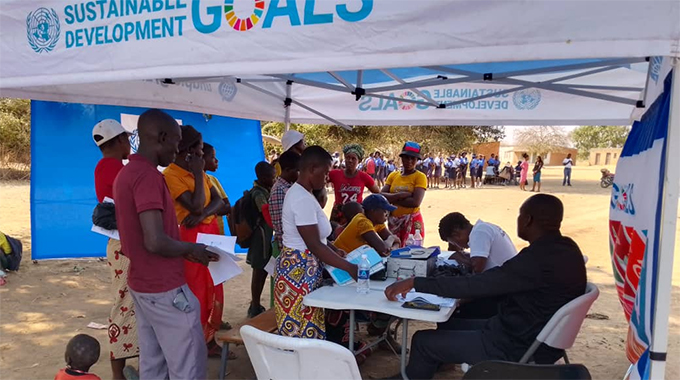
Remember Deketeke in Mbire
The Monozi community in Mbire District has hailed various stakeholders for establishing gender-based violence mobile one-stop centres as the number of GBV cases and teenage pregnancies are on the increase.
The centres deal with GBV issues affecting mostly women and girls.

Stakeholders that are involved include the Zimbabwe Gender Commission, the United Nations Development Programme, the Zimbabwe Republic Police Victim-Friendly Unit, the Civil Registry
Department, the Ministry of Health and Child Welfare, and the Ministry of Women Affairs, Community, Small and Medium Enterprises Development, among others.
Zimbabwe Gender Commission chairperson Ms Magret Mukahanana Sangarwe said the initiative seeks to augment the 2022 national inquiry.
“The programme has come up as part of the national inquiry we had in 2022, where we were looking at child marriages and the abuse of young girls, including those who are disabled,” she said.
“That national inquiry led to the adoption of a comprehensive approach in dealing with these issues.
“So we decided to do one-stop mobile centres and to venture to remote areas with various stakeholders so that people can access basic services like health and acquiring of national documents, among others.”

One of the beneficiaries who preferred anonymity said this initiative will help end GBV and teenage pregnancies.
“Such an initiative must not be a one-day event as it addresses most of the problems that we are facing within our community,” she said.
“Currently the number of drop-outs is increasing everyday, with the community losing very intelligent girls and boys to teenage pregnancies or GBV-related issues. So these programmes must be done concurrently to deal with all the issues affecting different communities.”
UNDP team leader transformative governance unit, Ms Tafadzwa Muvingi said the initiative is aimed at bringing different stakeholders together and focus on the needs of the people within the community.

“Mbire is one of the remote districts in the country where basic services are quite far from the people, so it is important to look at all these challenges and see how you can bring these services closer to the people,” she said.
Some of the services offered by the one-stop mobile centres include registration and acquiring of birth certificates, counselling services on GBV issues, and removal and insertion of the jadelle family planning implant, among others.



 Online Reporter