Online Reporter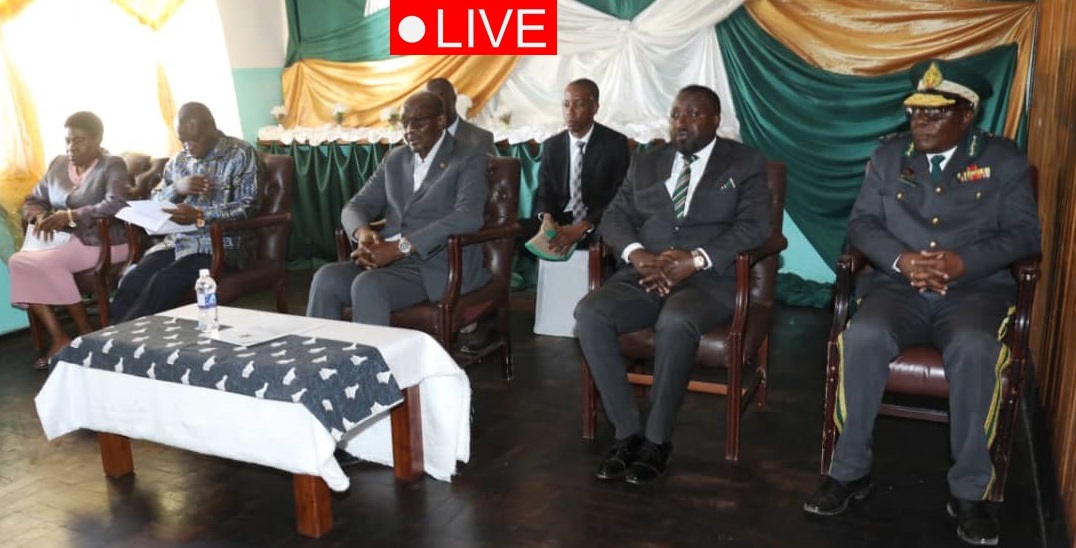
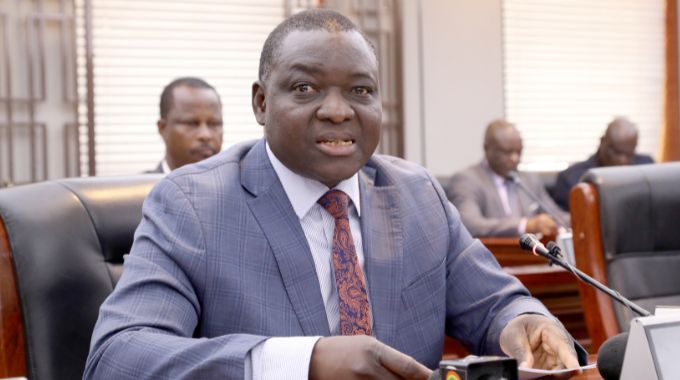
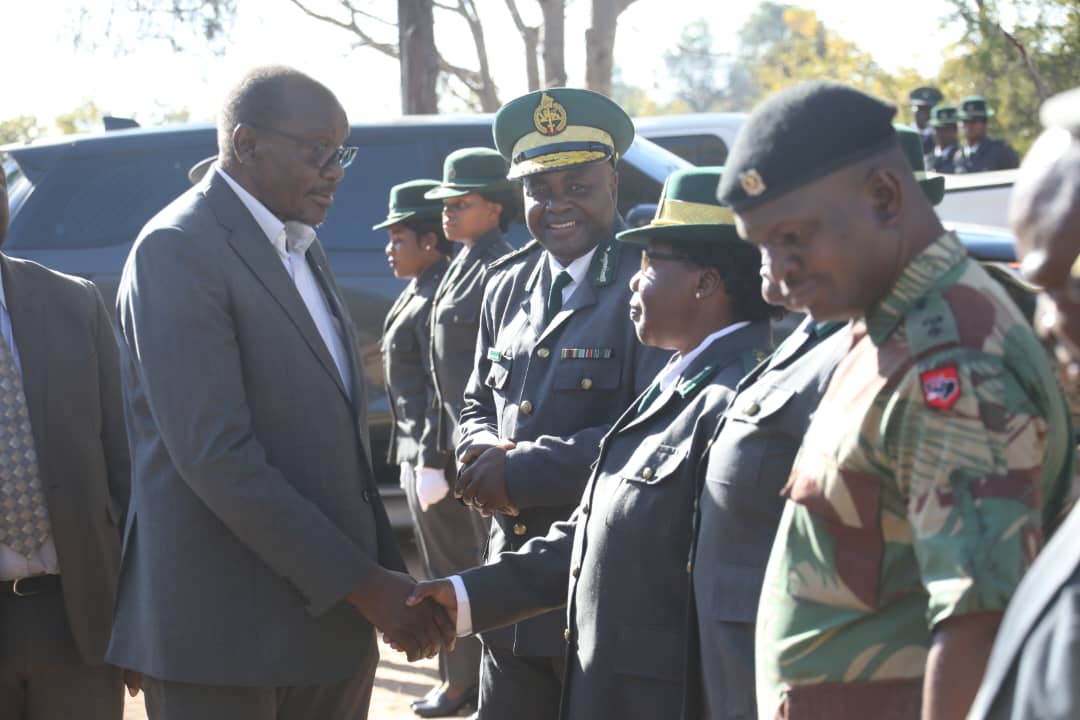
Vice President Kembo Mohadi is today (Friday) touring Khami Prison, in the outskirts of Bulawayo where he was detained with President Mnangagwa, during the armed struggle.
VP Mohadi is accompanied by Ministers of State for Provincial Affairs and Devolution for Bulawayo and Matabeleland North, Judith Ncube and Richard Moyo.
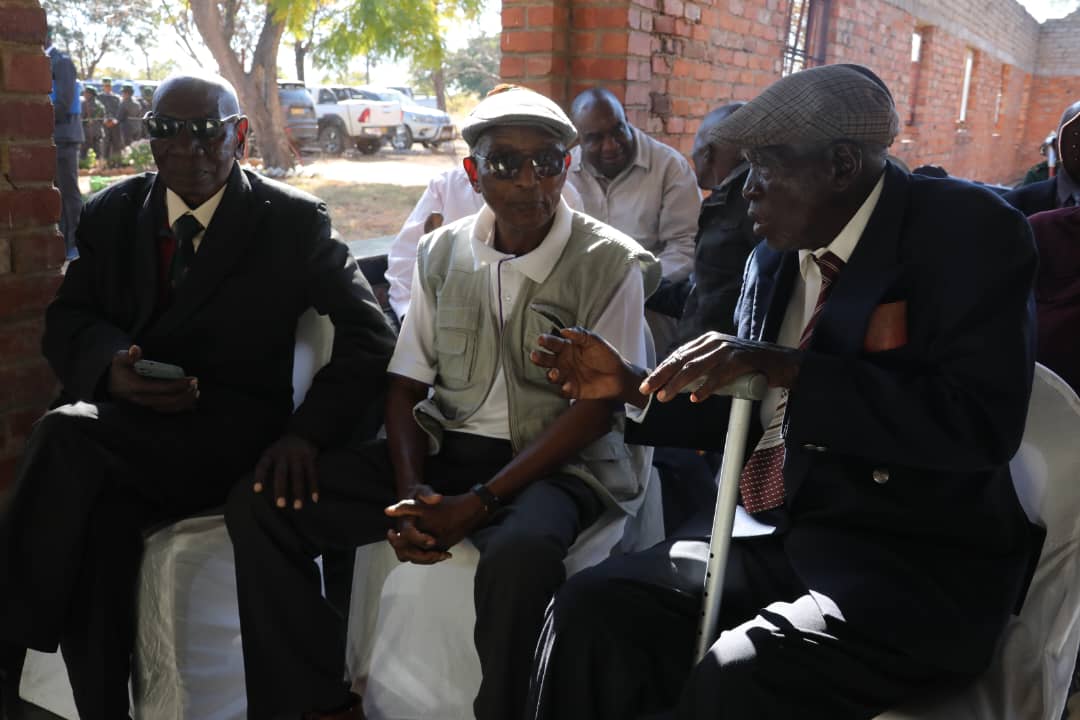
The VP is set to meet former inmates with who he was incarcerated with and address those serving for various crimes.
VP Mohadi was held at cell 28 and later moved to cell 61.
President Mnangagwa was at cell number 44.
VP Mohadi’s visit comes at a time when the country is gearing to commemorate Heroes Day.
Senior Reporter Peter Matika and Chief Photographer, Eliah Saushoma will be giving us live updates from the visit.
“We were treated like animals”: Veteran Freedom Fighter recounts Khami Prison ordeal
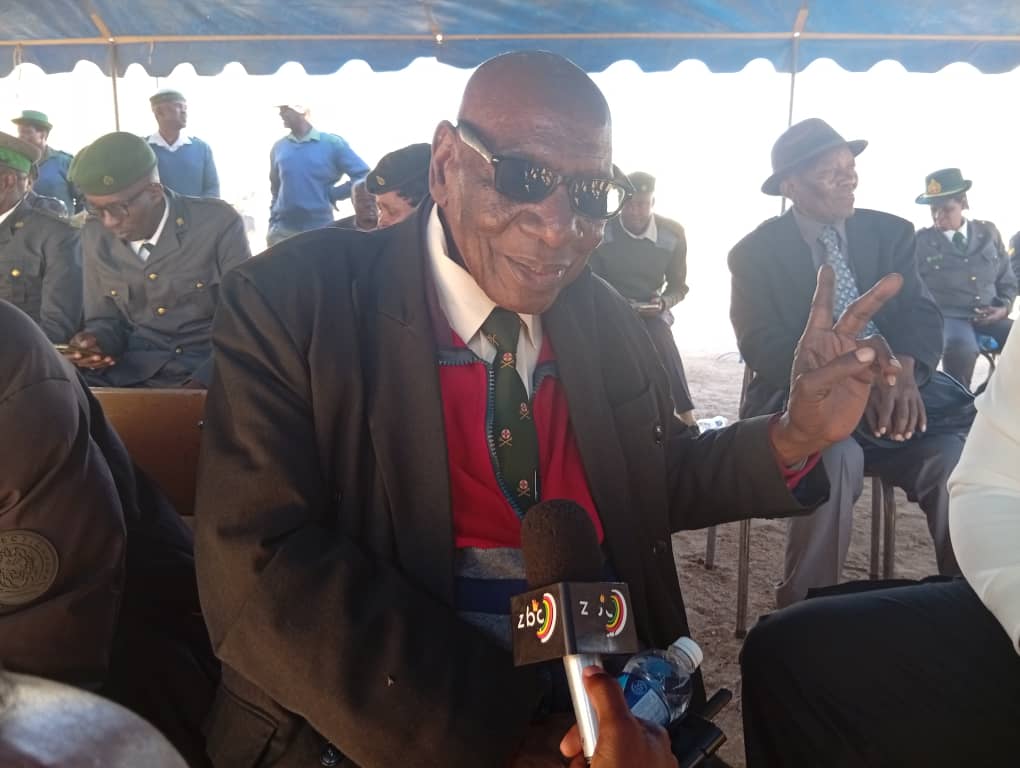
FORMER freedom fighter, Cde John Maluzo Ndlovu, who was captured and sentenced to death during the liberation struggle, has recounted his experience in Khami Remand Prison.
He said it was not an easy time, but they endured as it was part of the compromise for the country to eventually gain its independence in 1980.
Speaking on the sidelines of a tour of Khami Prison by Vice President Kembo Mohadi, Cde Ndlovu said the colonial government did everything in their power to make their conditions unbearable but they never diverted from the course of fighting for the country’s liberation.
“It was a terrible time because we didn’t want to compromise to get our freedom. Those days were not befitting for a human being, we were being treated like animals. I remember there was a paper in those days called African Times, so when we were being described, we were described as people who have tails, who do not bath and all sorts of things. That propaganda was meant for the population to fear us when they us moving around. To us it was a very terrible situation,” said Cde Ndlovu.
On his relationship with VP Mohadi, Cde Ndlovu said; “I always called VP Mohadi by his first name because to me he was my junior, I was his commander during that time. To command a person is never easy because he can also think on what can save his life but what I am proud of is that VP Mohadi resisted all the torture that he endured and I did also resist because it was part of our training.”
Cde Ndlovu, who turned 85 last month, is a veteran guerrilla who belongs to the pioneering group of freedom fighters.
The former Zanu-PF Member of Parliament for Nkayi Constituency, who served between 1995 and 2000, belongs to the first group of freedom fighters that was trained in the People’s Republic of China.
The group had decorated fighters such as Luke Mhlanga, Gordon Butshe, Charles Njodzi Dauramanzi, Felix Rice, Clarke Mpofu, Johnson Ndebele, Stone Nkomazana, James Chatagwi, Lloyd Gundu, Amen Chikwakata, Douglas Mudukuti and others.
Cde Ndlovu was later captured while operating in the Mashonaland provinces and then Salisbury (Harare) in the 60s.
President Mnangagwa’s former cell preserved as a symbol of resilience
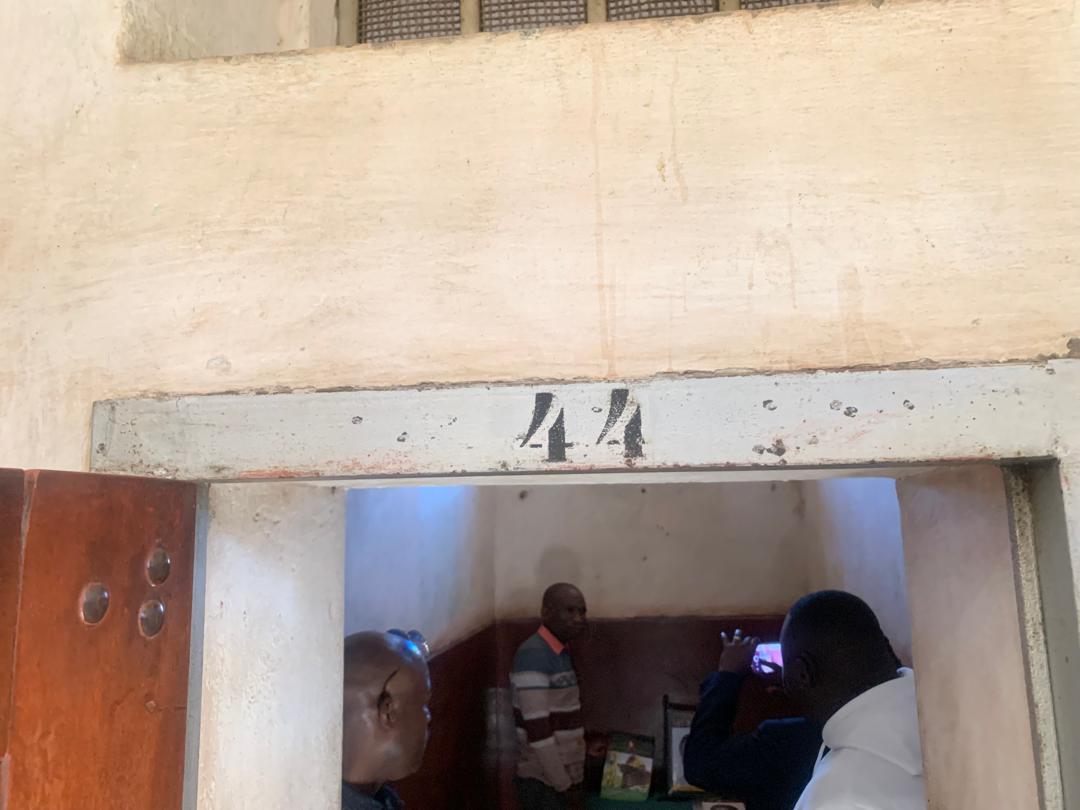
Cell 44 was President Mnangagwa’s former holding cell at Khami Prison. It was a solitary confinement designed to mute and limit communication with collaborators.
A mini-museum featuring President Mnangagwa’s memoir and images has been set up in his former cell, which is part of the solitary confinement area that was decommissioned by human rights groups.
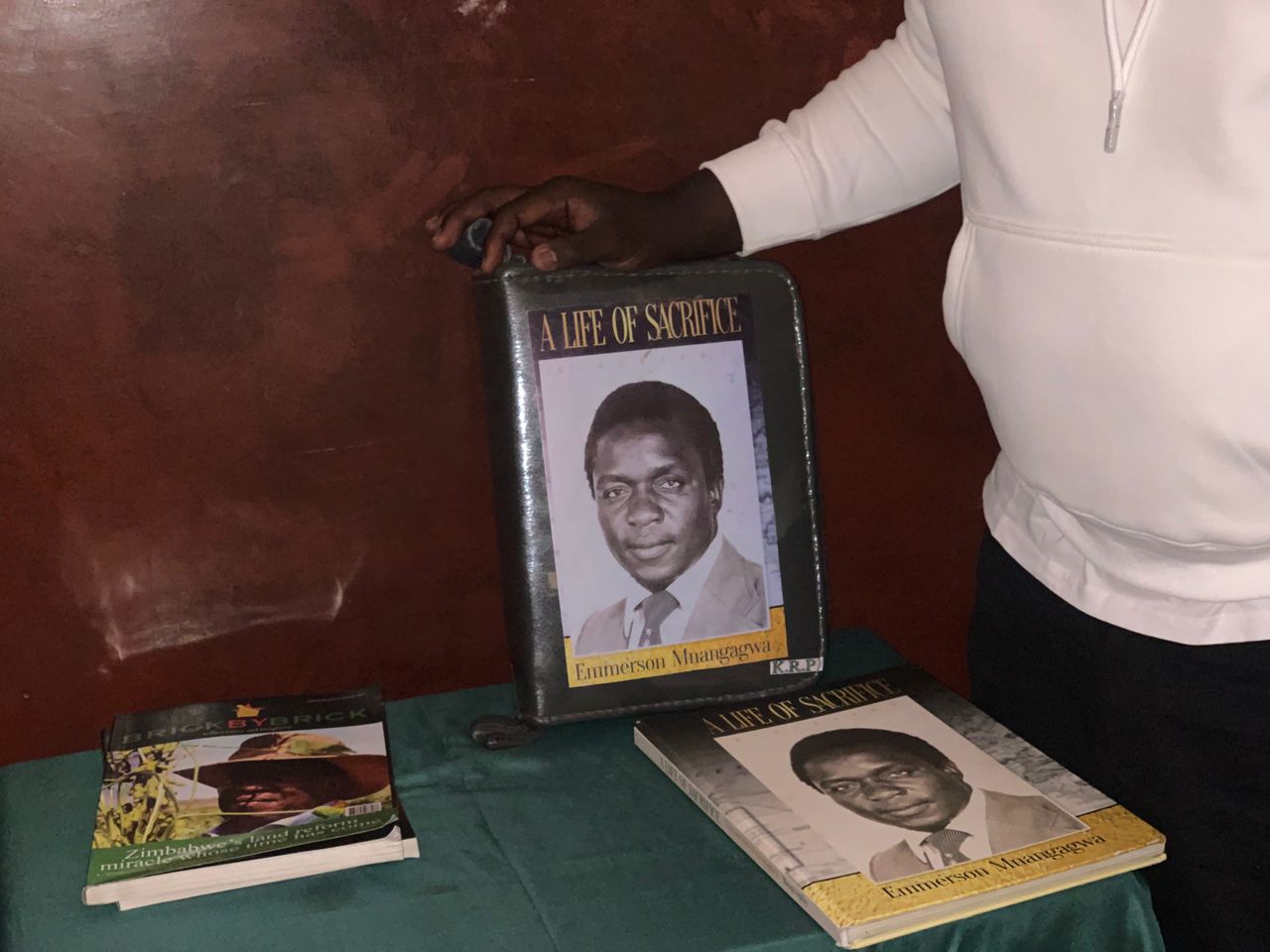
He was transferred from his cell to a dark cell, where there was no light, and he was only allowed to communicate with the outside world for one hour a day through sunlight. The purpose of placing him in the dark cell was to break his spirits, something the colonial regime ultimately failed to achieve.
VP Mohadi reflects on liberation struggle during visit to Khami Prison
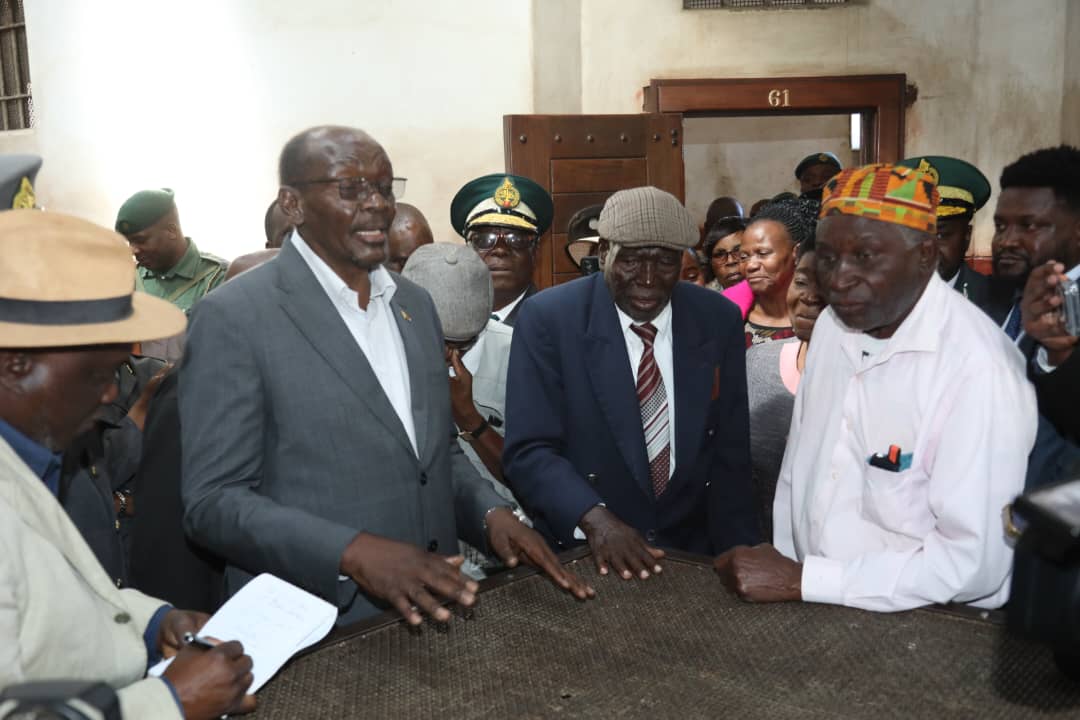
VP Mohadi has shared poignant memories of his time incarcerated at Khami Prison during Zimbabwe’s liberation struggle, reflecting on the challenges faced and how prisoners maintained communication with the external liberation leadership despite the harsh conditions.
“We came up with what we call a High Command here in prison, which then communicated with Lusaka from here,” VP Mohadi revealed. “We would generate with whatever information we would like to communicate to Lusaka and then some sympathetic wardens would then help us to relay the message. That is how we would communicate with Lusaka from prison, I was actually in charge of intelligence here.”
His remarks shed light on the resilience and resourcefulness of those imprisoned, who continued to coordinate efforts for the liberation cause under difficult circumstances. .