
Rumbidzayi Zinyuke
Health Buzz
I remember when my daughter was still young. Every winter, she would wake up with puffy eyes, rubbing them constantly as though something had gotten into them.
Almost every morning, her nose would be runny, yet she had no fever, no body aches and none of the other signs that usually come with the flu.
Like many parents, I assumed it was just another seasonal cold. We would wait for it to pass, only for the same symptoms to return year after year whenever the cold, dry weather set in.
It was only later that I learnt she was not battling recurring flu at all. She was experiencing seasonal allergies, a condition that affects millions of people worldwide but is often mistaken for an ordinary cold.
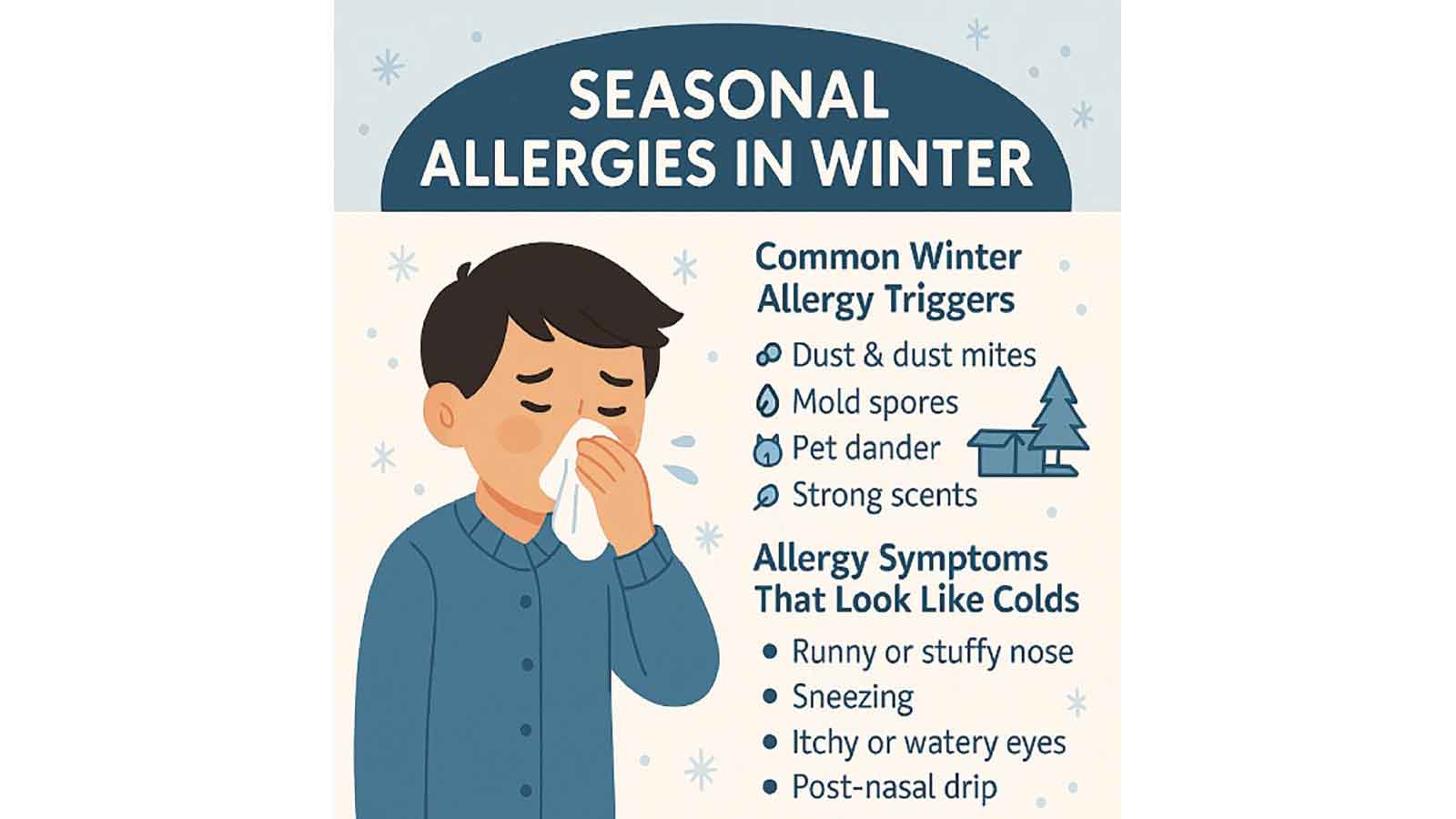
As we settle into the winter season, countless families are likely experiencing the same confusion. Children and adults alike are waking up with itchy, watery eyes, persistent sneezing, blocked or runny noses and scratchy throats. Many dismiss these symptoms as a minor inconvenience or a stubborn cold, unaware that they may be signs of an allergic reaction.
Health experts say allergies are becoming an increasingly common public health concern across the globe, driven by a combination of genetics, environmental changes, air pollution and climate change. Yet despite their growing prevalence, allergic conditions remain under-recognised and underdiagnosed in many countries, including Zimbabwe.
For some people, allergies are little more than an annoyance. For others, they can interfere with sleep, reduce productivity at work or school, worsen asthma and, in severe cases, lead to life-threatening reactions.
Understanding what allergies are, what triggers them and when to seek medical attention has therefore become increasingly important, especially during the winter months when dust, pollen, smoke and other airborne allergens become more widespread.
Allergies occur when the body’s immune system overreacts to substances that are normally harmless. These substances, known as allergens, include pollen, dust mites, mould, animal dander, insect stings, certain foods, medicines and even sap from plants. Instead of ignoring these substances, the immune system identifies them as a threat and releases chemicals such as histamine, leading to symptoms that can range from mild irritation to severe allergic reactions.
The most common form during winter is allergic rhinitis, often referred to as hay fever, although it is not caused by hay and does not produce fever. It is characterised by repeated sneezing, itchy or watery eyes, nasal congestion, a runny nose and sometimes an itchy throat or ears.
While allergies themselves are not contagious, they can significantly affect a person’s quality of life. Constant sneezing, poor sleep due to blocked noses and daytime fatigue often reduce concentration at school and work. Children with untreated allergies may struggle to perform well in class because they cannot sleep properly or concentrate during lessons.
Globally, allergies have become one of the fastest-growing chronic health conditions.
According to the World Allergy Organisation, between 30 and 40 percent of the world’s population now suffers from one or more allergic diseases.
Allergic rhinitis alone affects more than 400 million people worldwide, while asthma, which is frequently associated with allergies, affects more than 260 million people.
The WHO also notes that chronic respiratory diseases, including allergic asthma, continue to place a significant burden on health systems around the world.
Although Zimbabwe has no comprehensive national database documenting allergy cases, doctors report that respiratory and skin allergies are becoming increasingly common, particularly during the dry season.
The country’s climatic conditions make winter especially challenging for people with allergies. Dry winds stir up dust, while grasses, weeds and trees release pollen into the atmosphere. At the same time, smoke from veld fires, firewood and charcoal, as well as indoor dust that accumulates in homes with closed windows, creates the perfect environment for allergy flare-ups.
Urbanisation has also contributed to the problem. Increased air pollution from traffic, industrial emissions and construction dust irritates the airways, making some people more susceptible to allergic reactions.
Climate change is another emerging factor.
Scientists have found that rising temperatures and changing rainfall patterns are extending pollen seasons and increasing the amount of pollen produced by certain plants. Longer allergy seasons mean people remain exposed to allergens for extended periods each year.
Children are among the most vulnerable groups.
Their immune systems are still developing, making them more sensitive to environmental allergens. Older adults, people living with asthma and those with chronic respiratory illnesses also face an increased risk of complications when allergies are poorly controlled.
One of the biggest challenges is that allergies are frequently mistaken for the common cold.
While both conditions share symptoms such as sneezing and a runny nose, there are important differences. Colds are caused by viruses and often come with fever, sore muscles and general body weakness. Allergy symptoms, on the other hand, usually include itchy eyes, repeated sneezing and clear nasal discharge without fever. They also tend to recur during the same season every year or whenever someone is exposed to a particular trigger.
Misdiagnosis often leads to unnecessary use of antibiotics, even though antibiotics have no effect on allergies because they do not treat viral infections or allergic reactions. This inappropriate use contributes to the growing global problem of antimicrobial resistance.
Identifying triggers is one of the most important steps in managing allergies.
People who react to dust are advised to clean regularly, wash bedding in hot water every week and reduce clutter that collects dust. During particularly windy days, keeping windows closed and wearing a face mask when sweeping dusty areas may help reduce exposure.
Those allergic to pollen are encouraged to avoid spending long periods outdoors during windy weather and shower after coming indoors to remove pollen from their hair and clothing.
Keeping indoor spaces well ventilated and free from mould is equally important, especially in homes where moisture accumulates.
Treatment depends on the severity of symptoms.
Doctors often prescribe antihistamines to reduce sneezing, itching and runny noses. Nasal corticosteroid sprays are commonly used to reduce inflammation inside the nose, while lubricating or medicated eye drops help relieve itchy, watery eyes.
For people whose allergies trigger asthma, inhalers remain an important part of treatment.
Experts, however, discourage prolonged self-medication. Persistent symptoms, breathing difficulties or recurrent allergy episodes should always be assessed by a healthcare professional.
In rare but serious cases, allergies can cause anaphylaxis, a severe allergic reaction that develops rapidly and can become fatal if emergency treatment is not provided immediately.
Signs include swelling of the lips, tongue or throat, difficulty breathing, dizziness, fainting and collapse. Anyone experiencing these symptoms should receive urgent medical attention.
Family history also influences the likelihood of developing allergies.
A child whose parents have allergies has a greater chance of developing allergic conditions, although they may not necessarily inherit the same type of allergy.
Researchers also believe that changing lifestyles, increased exposure to pollution and reduced contact with certain microorganisms during early childhood have contributed to the global rise in allergic diseases.
Simple lifestyle changes can make a significant difference.
Regular handwashing after outdoor activities, changing clothes after spending time in dusty environments, using protective masks when cleaning, avoiding cigarette smoke and ensuring homes are cleaned regularly can reduce exposure to common allergens.
Schools and workplaces can also play an important role by maintaining clean indoor environments and recognising when allergy symptoms require medical attention rather than simply sending someone home with the assumption that they have the flu.
For Zimbabwe, there is also a need to strengthen research into allergic diseases. Reliable local data would help health authorities better understand the burden of allergies, identify the most common allergens and plan appropriate public health interventions.
Public education is equally important.
Many people continue to dismiss allergies as a seasonal inconvenience rather than a chronic medical condition that can affect daily life and, in some cases, become life-threatening.
As winter continues, that persistent sneeze, itchy eyes or blocked nose may be more than just the cold weather taking its toll.
Recognising the symptoms early, identifying the triggers and seeking appropriate medical advice can help prevent unnecessary suffering and improve quality of life.
For me, understanding that my daughter’s yearly “winter flu” was actually allergies changed the way I looked at those recurring symptoms.
It is a lesson that many Zimbabwean families may also need to learn because sometimes the body’s quietest signals are the ones that deserve the greatest attention.
Feedback: [email protected]