Chronicle Editor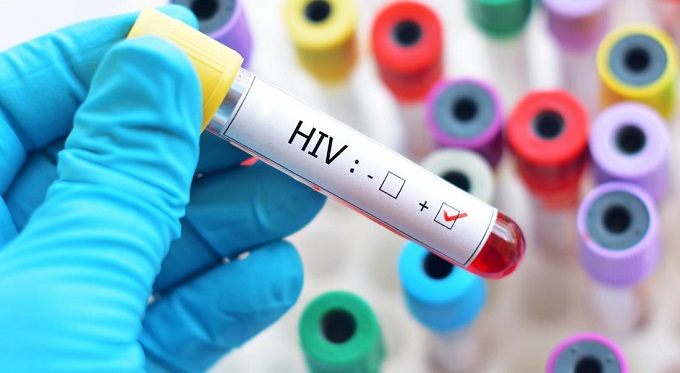
Andile Tshuma on Health
It is out of the norm for most people to just visit a health facility for a checkup. Apart from the fact that health care has become costly, most people just remember to take a trip to the doctor when they are really sick after trying to self-prescribe a number of home remedies and failing.
People know that it is important and wise to get screened for cancer and to know their HIV status but how many people actually go for cancer screening or HIV testing just as a routine?
I think people have a tendency of assuming that if they lead supposedly healthy lifestyles and stay away from risky behaviour, they are safe. However, it is not always the case.
Today Zimbabwe joins the rest of the world in commemorating World Aids Day whose theme is: “Know Your Status”.
The National Aids Council (Nac) is urging people to know their HIV status and get screened for Tuberculosis (TB), Sexually Transmitted Infections (STIs) and non-communicable diseases such as cancer to achieve the country’s goal to end Aids by 2030.
While we are commending Nac and the World Health Organisation for the inclusive theme, it is important to look back and commend Government and its partners for the job well done in the fight against HIV and Aids and provision of services with the limited resources available.
In recognition of the country’s efforts, a lot of pilot projects and trials for HIV drugs have been done in the country and many of them proved fruitful.
World Aids Day commemorations are on today at Rushinga High School in Glendale, Mazowe district, Mashonaland Central province.
Nac Communications Officer, Mrs Tadiwa Nyatanga-Pfupa, said the commemorations are expected to be one of the biggest commemorations in terms of impact as a lot of time and other resources have been invested in the preparations. She said the district was specifically selected as a venue for the commemorations due to its high HIV prevalence of 18,6 percent.
Non-communicable diseases are becoming a menace and incorporating them in the fight against HIV/Aids is very important.
Among the many HIV intervention programmes spearheaded by Nac, I was thrilled by the moonlight testing, where Nac officers reach out to key populations who are mostly unavailable during the day but work through the night. Such populations include sex workers, truck drivers and artisanal miners.
Moonlight testing is good as it reaches out to people without putting them on the limelight. Some people fear going to testing centres due to fear of being stigmatised hence night time testing is very convenient.
While we celebrate the theme for this year, we should still keep the fire of last year’s campaign theme burning as it still remains relevant. The theme for 2017 was “My health, my right”.
The 2017 campaign reminded people that the right to health is much more than access to quality health services and medicines as it also depends on a range of important assurances including adequate sanitation and housing, healthy working conditions, a clean environment and access to justice.
If a person’s right to health is compromised, they are often unable to effectively prevent disease and ill-health, including HIV, or to gain access to treatment and care. The most marginalised people in society, including sex workers, people who inject drugs, men who have sex with men, people in prisons and migrants, are often the least able to access their right to health, they are also the most vulnerable to HIV. However, if these populations that are so key in the fight against HIV are not reached out to, the efforts to end HIV by 2030 in Zimbabwe and around the globe will remain a dream.
Most of the Sustainable Development Goals (SDGs) are linked in some way to health. Achieving the SDGs, including ending the Aids epidemic as a public health threat by 2030, will depend heavily on ensuring the right to health for all.
Mrs Nyatanga-Pfupa said it was important for people living with HIV/Aids to know their CD4 count as well as their viral load as knowing these will lead to Zimbabwe achieving the 90-90-90 targets by 2020 and ultimately end Aids by 2030.
The 90-90-90 targets state that 90 percent of all people who are HIV-positive must know their status, 90 percent of all those that are HIV-positive must be on treatment and 90 percent of those that are on treatment must have their viral load suppressed.
The annual commemorations are rotated among the country’s 10 provinces.
Bulawayo province hosted the 2017 commemorations and in 2016 the host was Kwekwe in the Midlands province. Mashonaland Central last hosted the event ten years ago.
Globally, World Aids Day is commemorated on December 1 and is an opportunity for people worldwide to unite in the fight against HIV, show their support for people living with HIV and to remember people who have died due to Aids.



 Online Reporter