Online Reporter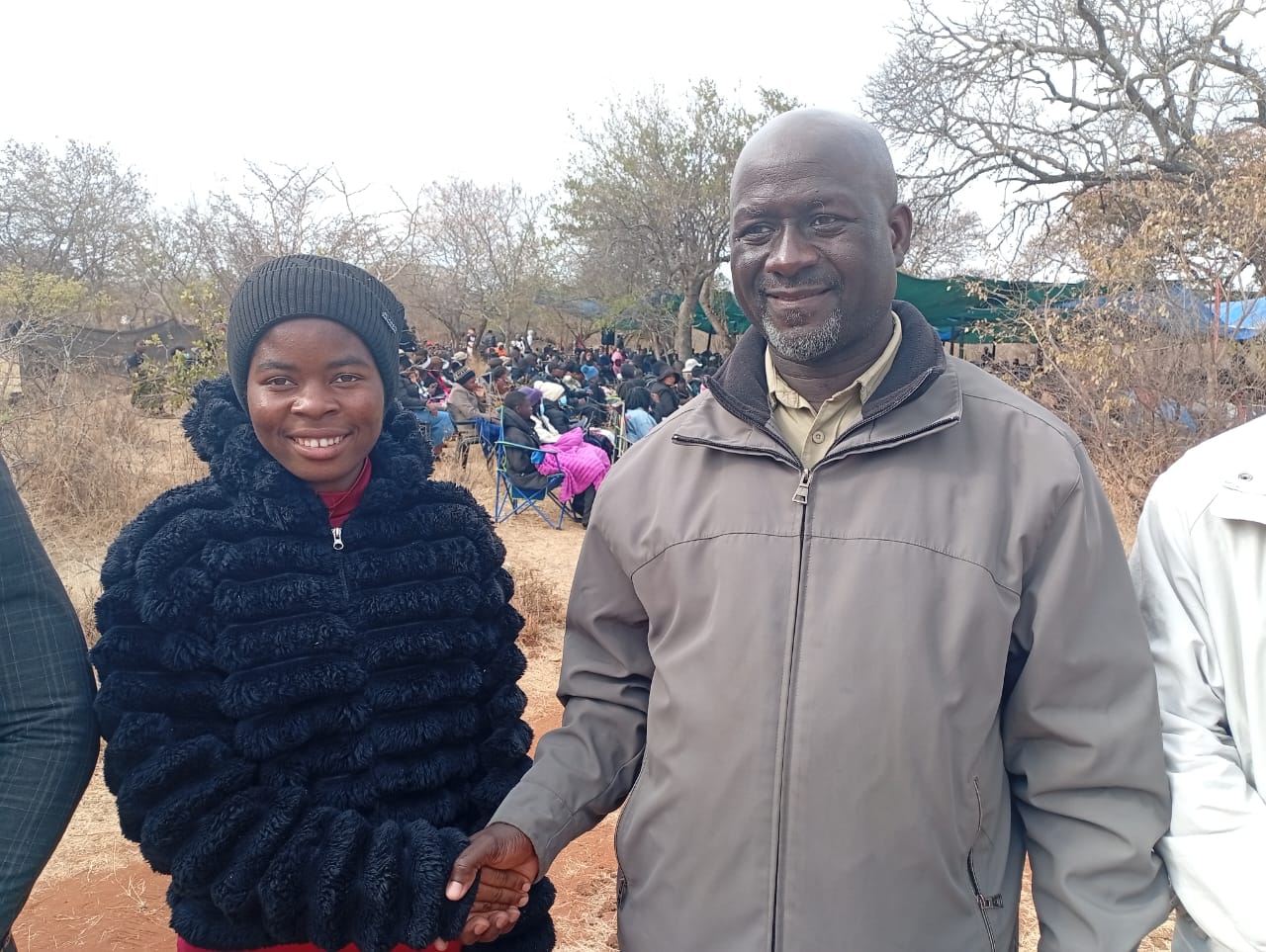
Raymond Jaravaza, [email protected]
AT just 17, when most teenagers are consumed by dreams of tomorrow and the distractions of youth, Sithandazile Dube found herself confronted by a life-changing decision.
Following the death of her father, the young Filabusi woman was faced with a choice that many in her position would have struggled to resist: convert her inheritance into immediate cash or hold on to a single asset that offered no instant reward but carried the promise of future prosperity.
While others saw livestock that could be sold and divided, she saw possibility. She chose patience over quick gain, and three years later that decision is quietly blossoming into a success story that is capturing hearts and inspiring a new generation of aspiring farmers.
Now 20 years old, Dube stands proudly as the owner of a growing herd of cattle. What began as a single cow inherited from her late father has multiplied into three animals after the cow produced two healthy heifers. In a world increasingly driven by instant gratification, her journey is a refreshing reminder of the value of vision, perseverance and long-term thinking.
Her story has emerged as one of the standout testimonies at the ongoing Seventh-day Adventist (SDA) Church camp meeting in Nyamandlovu, Umguza District, where thousands of congregants have gathered not only for spiritual renewal but also to explore opportunities for economic empowerment and self-sufficiency.
Speaking to fellow congregants, Dube reflected on the circumstances that led to her unusual decision.
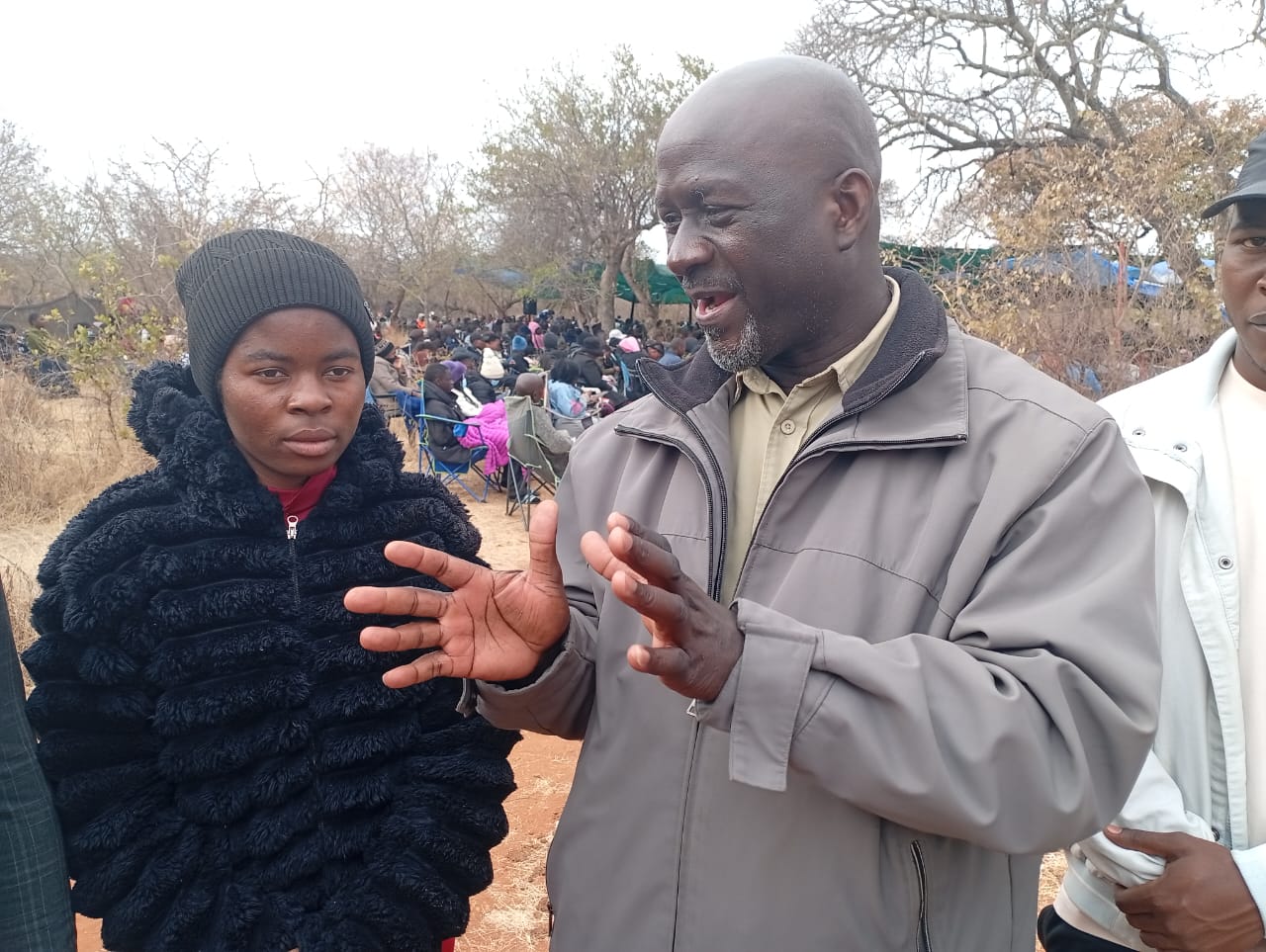
“When my father passed away, he wasn’t a wealthy man but had built a modest homestead in Filabusi and owned several cattle. My siblings and some relatives suggested that we sell the cattle and share the money, but I had an unusual request for a young girl my age,” said Dube.
Her recollection carried the weight of both loss and determination. At a time when many would have chosen immediate financial relief, she was looking years ahead, drawing inspiration from the environment in which she was raised.
“I asked if I could keep one cow that was part of my inheritance and the family agreed. I had always wanted to own cattle after growing up in an area where livestock is highly regarded as a source of wealth and pride. That is why I refused to sell my inheritance.”
In many rural communities across Zimbabwe, cattle are more than livestock. They are symbols of heritage, resilience and social standing. They represent hard work passed down through generations and often serve as a family’s most valuable asset. For Dube, that single cow became something even greater: a seed from which she hoped to grow an agricultural future.
What makes her story particularly compelling is not the size of her herd but the ambition behind it. The growth from one cow to three may appear modest on paper, yet for a young woman starting with virtually no capital, it represents the beginnings of something significant. Every calf born is a reminder that wealth is often built gradually, nurtured through consistent effort and unwavering belief.
“I might not own a large herd of cattle at the moment, but the dream is to grow into a respected farmer in the next few years. The cow that I inherited has now given birth to two more heifers and
I’m hopeful that the herd will continue growing,” said Dube.
Her words resonated throughout the gathering, particularly among young people searching for pathways towards economic independence. In a nation where many youths continue to face employment challenges, her experience demonstrated that meaningful progress can begin with even the smallest of resources.
Dube also used her platform to challenge perceptions surrounding agriculture, particularly the notion that farming is reserved for older generations or those with substantial financial backing. Standing before hundreds of attentive listeners, she painted a picture of farming as a pursuit open to anyone willing to start where they are and build steadily from there.
“I’m a young woman with ambitions to become a career woman who is also a farmer. I hope my story will inspire the youth to take up farming, even with just a small piece of land for growing vegetables or two hens for a poultry project. The sky is the limit when one has a dream,” said Dube.
Her message struck a chord because it reflected a reality often overlooked. Some of the most successful agricultural ventures begin not with vast tracts of land or large investments, but with a simple commitment to start. Whether through a vegetable garden, a handful of chickens or a single animal, many thriving enterprises are born from humble beginnings.
As her story spread through the camp meeting, it touched more than hearts. It inspired action. In a powerful gesture of encouragement, SDA member and respected cattle breeder Jairos Mahlangu of Hlango Ranch donated a heifer to Dube, instantly strengthening her growing herd and bringing her one step closer to her dream.
The donation formed part of a broader initiative unfolding at the gathering, where farmers, entrepreneurs and business leaders rallied together to support young people interested in agriculture and enterprise development.
Their collective message was clear: the future of Zimbabwean agriculture rests heavily in the hands of its youth, and those young people deserve both encouragement and practical support.
A number of organisations and farming enterprises stepped forward with donations aimed at nurturing the next generation of producers. Among them were Hlango Ranch, Biano Simmentals owned by farmer Mr Obert Chinhamo, Skhulu Brahmans, Pride Transport, Mac Motors, AgriFoods, Otan Brahmans, Samathwala Investments and Slice Pizzeria.
The contributions were as diverse as the opportunities available within agriculture itself. Donations included stock feed, chicks, cattle, goats and even a bull, all intended to serve as building blocks for sustainable agricultural projects.
Rather than viewing these resources as handouts, beneficiaries were encouraged to see them as launchpads for future businesses capable of generating income and supporting communities.
For the second consecutive year, the Nyamandlovu camp meeting, held under the Zimbabwe West union Conference, has become much more than a spiritual assembly. It has evolved into a dynamic platform where faith, enterprise and community development intersect. Thousands of SDA members have been exposed to practical knowledge, entrepreneurial ideas and agricultural skills that can be applied long after the final prayer has been said and the tents have been packed away.
Throughout the gathering, young and economically active congregants were urged to take advantage of Government initiatives aimed at increasing youth participation in agriculture. Access to land, food production and value addition featured prominently in discussions as speakers encouraged young Zimbabweans to become active contributors to the national economy.
Among those addressing the gathering was businessman Bunolo Noko, who highlighted organised farming ventures as viable routes into commercial agriculture. Speaking during one of the business sessions, he outlined opportunities available through contract and outgrower farming models designed to reduce entry barriers for aspiring farmers.
“Our company has availed what we call an outgrowers project where we supply individuals with, for example, 5 000 chicks, feed and chemicals to produce broiler chickens. When the birds have matured after six weeks, we collect and pay the farmer minus the money that we would have used to produce the chicks and for the stock feed,” said Noko.
The model offers participants access to inputs, technical expertise and guaranteed markets, factors often cited as major obstacles for first-time farmers.
“The farmer can make over US$4 000 in just six weeks, which is a lot of money, so we urge the youth to come together in groups and take up the chicken-rearing project that our company is offering.”
Noko said the energy and adaptability of young people placed them in a strong position to drive agricultural innovation and growth.
“Young people still have age on their side, they have technology and fresh ideas at their disposal to venture into farming, be it poultry, cattle breeding or growing maize, cabbage and butternut, among other crops,” he said.
“The Government has made access to land for the youth easier and my message to all the young congregants of the SDA Church is to take advantage of such policies that are being spearheaded by our leaders to get land and start producing food.”
Additional presentations from a beekeeping expert and an official from the Ministry of Agriculture, Mechanisation and Water Resources Development broadened the conversation further.
Congregants were encouraged to explore horticulture and other specialised agricultural enterprises, sectors increasingly recognised for their potential to generate sustainable incomes and create employment opportunities.
The Nyamandlovu gathering falls under the Zimbabwe West union Conference, one of three unions in the country overseeing six conferences, each with roughly 100 000 members. Yet beyond the statistics and organisational structures, the true significance of the event lies in the stories taking shape among its attendees.