Online Reporter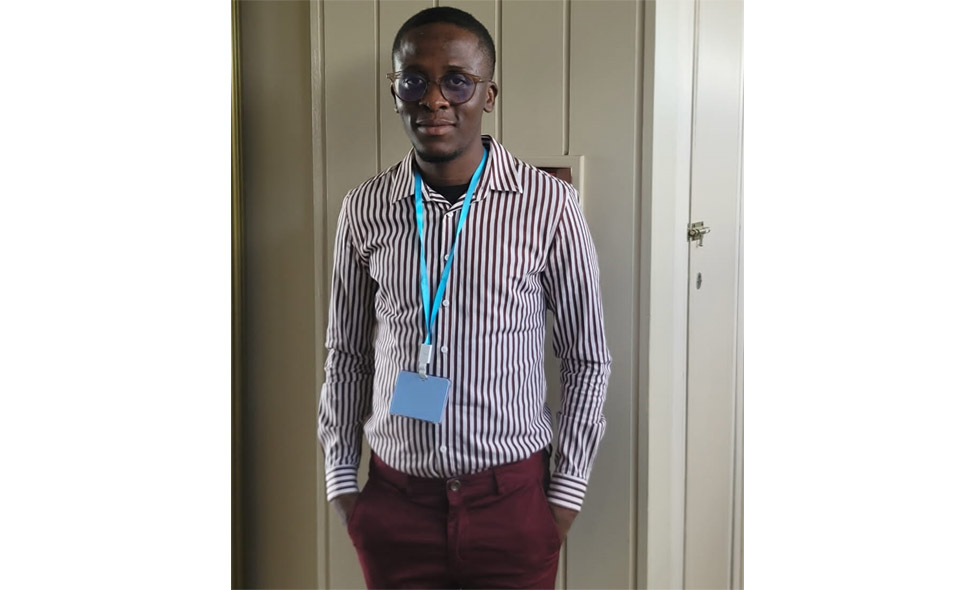
Tendai Gukutikwa
Health Reporter
YOUNG people in Manicaland have thrown their weight behind national efforts to combat drug and substance abuse, strongly supporting the proposed National Drug and Substance Abuse Control and Enforcement Agency Bill as a vital step toward safeguarding their future.
Momentum has been building following a submission by youth organisations led by the Action for Youth Foundation Trust (AYFT) under the Safe and Inclusive Cities Project, supported by Plan International Zimbabwe.
The coalition presented a youth-focused analysis of the Bill before Parliament last week, with strong participation from Manicaland-based youths.
AYFT director, Mr Marvin Musekiwa, said young people are increasingly positioning themselves as active contributors in shaping policies to address the crisis.
“Young people are at the centre of this challenge, and their voices are essential in crafting solutions that work.
“We are supporting the Bill because it provides a foundation, but we are also contributing ideas to ensure it responds effectively to realities on the ground, especially in provinces like Manicaland,” he said.
Zimbabwe continues to grapple with rising cases of drug and substance abuse, particularly among youths affected by economic pressures, social influences, and limited access to mental health support.
Communities across Manicaland are feeling the strain, with families, schools, and health systems under pressure.
Mr Musekiwa emphasised that the current situation presents an opportunity for a unified, evidence-based national response that also speaks directly to local realities in Manicaland.
“This is a moment for collective action. With the right policies and coordinated efforts, we can turn the tide and protect the future of our young people. We need a balanced approach that addresses both prevention and enforcement,” he said.
In their submission, youths acknowledged the importance of establishing a dedicated agency, while recommending clarity in how it will work alongside existing law enforcement institutions to enhance efficiency and avoid duplication of roles.
“A well-coordinated framework will strengthen implementation and ensure that all institutions work together seamlessly,” said Mr Musekiwa.
The youths also emphasised the importance of accountability and respect for constitutional rights, noting that a trusted system is key to effective enforcement.
“Building public confidence is critical. When communities trust the system, they are more likely to support and participate in efforts to combat drug abuse,” he said.
Central to the youths’ recommendations is a shift towards a public health approach that prioritises prevention, treatment and rehabilitation alongside enforcement measures.
“We must invest in rehabilitation centres, counselling services and community-based support systems that give young people a pathway to recovery and reintegration. Addiction should be addressed as a health issue, with compassion and support,” Mr Musekiwa said.
He added that such an approach will, not only assist those affected, but also reduce long-term social and economic costs associated with substance abuse in communities.
The youths further proposed the establishment of a national database to track drug use trends, saying data-driven strategies will improve planning and resource allocation.
“Reliable data allows us to design targeted interventions and respond more effectively to emerging patterns,” said Mr Musekiwa.
Education and awareness were also identified as key pillars in prevention efforts, with calls to integrate drug and substance abuse education into mainstream learning systems.
“Empowering young people with knowledge is one of the most effective ways to prevent substance abuse.
“When they understand the risks, they are better equipped to make informed decisions,” he said.
The submission also underscores the importance of community involvement, including civil society organisations and traditional leaders, in driving awareness and prevention initiatives.
“This is a collective effort. Government, communities and young people must work together to build resilient societies,” said Mr Musekiwa.
Notably, youths are advocating for their inclusion within the structures of the proposed Agency, arguing that their participation will enhance relevance and effectiveness.
“Young people must, not only be consulted, but actively involved in decision-making processes.
“Their lived experiences and perspectives are valuable in shaping practical solutions,” he said.
They also encouraged alignment of the Bill with international standards on drug control and human rights, as well as learning from regional best practices to strengthen Zimbabwe’s legislative framework.
While supporting decisive action against drug trafficking networks, youths highlighted the importance of distinguishing between criminal elements and individuals in need of help.
“There is a clear difference between those who profit from drugs and those who are struggling with addiction. Our response must reflect that understanding,” said Mr Musekiwa.
He said the Bill represents a unique opportunity to transform the national response into one that is coordinated, inclusive and impactful.
“This is about protecting a generation and creating opportunities for young people to thrive.
“If we get this right, we are building a healthier, more productive society,” said Mr Musekiwa.