admin
admin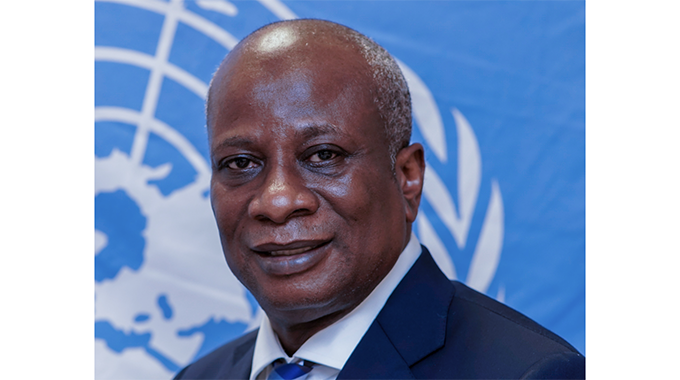
Sifelani Tsiko, Innovations Editor
With just a month before the 2024 UN Climate Change Conference (UNFCCC COP 29) is convened in Baku, Azerbaijan, the country has managed to bring all actors together to translate its ambitious climate agenda into scaled-up action on the ground.
Zimbabwe successfully hosted the Second Climate Change and Development Conference from October 2 -3 this year with key stakeholders reaffirming their commitment to take significant collective actions to build climate resilience and lessen the long term impacts of climate change on the country.
All parties agreed that it was important to unite to co-create climate action plans that are sustainable, actionable and effective.
“Your presence here underscores the importance of collaboration in addressing the pressing challenges posed by climate change,” said Vice President Dr Constantino Chiwenga opening the Second Climate Change and Development Conference in the capital. Zimbabwe is committed to reducing vulnerability and creating an enabling environment for climate change mainstreaming. The importance of Climate Change Adaptation cannot be overstated.
“We rely on experts to help review our national strategies as outlined in the Zimbabwe National Climate Change Adaptation Plan, aiming to enhance community resilience and inclusively address local vulnerabilities. Our current National Climate Change Adaptation Plan is a testament to this commitment.
“Adapting to climate change is a priority, especially given the increased occurrence of extreme weather events such as droughts and floods that devastate our vulnerable regions of Manicaland, Masvingo, and Matabeleland.”
This annual conference was held under the theme: “Building Resilience, Securing the Future.”
VP Chiwenga launched the country’s major climate change documents, highlighting the country’s commitment to developing climate action plans that will inspire comprehensive behaviour changes across the board to protect the planet.
The climate action plans also sought to streamline the processes and improve environmental outcomes for the country.
The launched documents were the National Climate Change Adaptation Plan; the Long-Term Low Emission Development Strategy and the Nationally Determined Contribution Implementation Plan; the Green Resilient Recovery Strategy and the Long-Term Low Emission Development Strategy and the Nationally Determined Contribution Investment Framework.
“I am proud to announce a pivotal moment in our climate journey; the high-level launch of key sector strategies, guidelines, frameworks and plans that will guide our national efforts,” said VP Chiwenga.
“These four key documents are not just sector strategies, guidelines, frameworks and plans, they are our commitments to future generations.
“Let me assure the nation today, that with the launch of these four critical documents, we signal a new chapter in Zimbabwe’s climate journey, marked by ambition, action and collaboration.
“Together, we can build a Zimbabwe that not only survives in the face of climate change, but thrives, securing a sustainable, resilient and prosperous future for generations to come.”
The annual climate conference brought all key collaborators together to help to more easily identify key priorities and create reasonable action plans that the country could easily embrace and act on.
“Together, let us harness our collective expertise, share our resources, and commit to innovative solutions that build resilience and secure a sustainable future for all Zimbabweans,” said United Nations Resident and Humanitarian Coordinator in Zimbabwe Ambassador Edward Kallon.
“I would like to thank you for your dedication, your passion, and your commitment to this vital cause. Let us move forward together, united in purpose and determined to make a lasting impact for generations to come.”
He urged all stakeholders to prioritise collaboration to drive the country’s climate action plans.
“The outcome of this conference will be a call-to-action document—a roadmap for government, civil society, development partners and the private sector to champion national development in alignment with Vision 2030,” Kallon said.
“This document should guide our shared commitment to sustainable development, ensuring that climate resilience is woven into the very fabric of Zimbabwe’s national policies and programmes that enhances resilience to climate change particularly for the most vulnerable such as women and children.”
The main objective of the annual climate change conference is to foster a comprehensive dialogue among stakeholders from government, development partners, academia and the private sector among other issues to jointly identify innovative solutions to the pressing challenges posed by climate change.
Key actors at the conference said the launch of key national documents will help align national efforts with global climate commitments and serve as a catalyst for strategic planning and investment opportunities.
Participants discussed issues on how to enhance climate action through strategic planning, investment and collaboration, climate change and health, the role of children and youth in national action for climate empowerment and COP29 country position paper.
Other topics focused on national adaptation plans, carbon trading, climate change and gender, climate technology and finance, climate, peace and security in Zimbabwe as well as the draft climate change management bill.
“By equipping participants with the necessary tools and knowledge, the conference seeks to create actionable pathways for climate resilience that benefit both current and future generations, ensuring that all voices, particularly those of youth and vulnerable populations, are integrated into these critical climate strategies,” said Mr Washington Zhakata, acting Permanent Secretary for Environment, Climate and Wildlife.
Climate financing was another major issue that was discussed at the conference. Experts mapped out financing strategies that could at least help the country to transition towards greener economies, support climate-resilient infrastructure development and protect the livelihoods of vulnerable communities.
Experts noted that without adequate climate finance, the country’s ambitions for sustainable development and climate resilience could remain at risk.
At Cop29 which begins on November 11, in Baku, countries will be expected to come up with a new global goal on supplying climate finance to poorer countries, to help them cut their greenhouse gas emissions and adapt to the impacts of extreme weather.
Most countries from the global south are calling for the sums to reach more than US$1 trillion a year.
Analysts say these pledges are expected to be subject to bitter wrangling at Cop29, as rich countries are unlikely to agree to provide anything like such sums from their taxpayers.
The role of other sources of finance —such as the private sector — is still in question and more conversations are expected on this issue.
With less than a month to this year’s COP29 UN climate negotiations, countries remain far from agreement on the summit’s biggest goal: to agree a new funding target to help developing countries cope with climate change.
People in Zimbabwe and most other poor countries across the world are facing widespread devastation from the world’s changing climate.
Despite contributing the least to climate change and with limited resources to combat the crisis, climate-vulnerable nations in Africa, Latin America and the Caribbean, and Asia and the Pacific continue to shoulder the heaviest burdens.


 Online Reporter