Vusumuzi Dube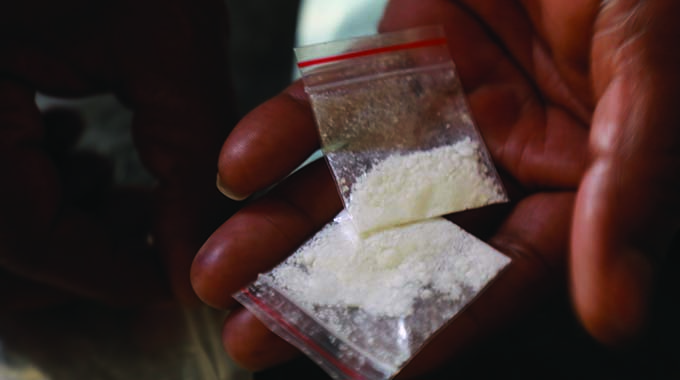
AS schools closed their doors for the first term on Wednesday, children across the country have begun their much-anticipated school holiday.
While the excitement and freedom are understandable, this period also brings significant responsibility for parents and guardians. School holidays, if well managed, offer a golden opportunity to bond with children, reinforce learning, and instil life skills beyond the classroom.
However, the break can expose children to idleness, risky behaviours, and unsafe environments.
Parents must recognise that holidays are not simply a time for rest, but a critical window to guide children towards productive and safe activities.
In recent years, school breaks have seen a rise in teenagers attending so-called “vuzu” parties, where alcohol, drugs, and casual sexual activity are often present. Such environments can quickly corrupt the curiosity and enthusiasm of young minds. It is therefore a moral and legal obligation for parents to ensure that their children remain away from such harmful influences.
There are numerous ways parents can keep children meaningfully engaged during the break. Encouraging a daily reading habit, for instance, helps expand vocabulary, comprehension, and critical thinking.
Books suitable for a child’s age group can be purchased or borrowed from local libraries, turning leisure into learning.
Similarly, assigning simple household responsibilities instils discipline and a sense of accountability. Even a ten-year-old can take charge of tidying the sitting room each morning or watering plants, learning early that contributing to the household is part of growing up.
Safety must also remain a top priority. Children are naturally inquisitive and may encounter strangers or unfamiliar situations during holidays.
It is important to teach them to set boundaries and to understand that they have the right to say no to unwanted attention, touches, or requests.
Equally, parents should pay close attention to any changes in their children’s behaviour, such as withdrawal, secrecy, or sudden mood shifts, which may indicate exposure to drugs, alcohol, or other risky activities.
Open, calm, and non-judgmental communication is essential for children to feel safe in reporting concerns.
Before family outings or trips, parents should discuss simple safety measures with their children. Teach them what to do if they get separated, including identifying “safe strangers” such as mothers with children or security personnel.
Guidance should be delivered without instilling fear, emphasising practical steps rather than focusing on appearances.
Ultimately, a well-supervised school holiday can be a time of growth, exploration, and fun. Parents who actively monitor their children’s activities and encourage positive habits are not only protecting them from harm but are also shaping responsible, confident young adults.
The responsibility rests firmly on the shoulders of parents and guardians: the school holiday should be a time for enrichment, safety, and family bonding, not one where children are left to navigate dangers alone.
School holidays come and go, but the lessons children learn and the habits they develop during this time can last a lifetime. It is therefore imperative that parents stay vigilant, involved, and proactive. Only through careful supervision and engagement can we ensure that our children enjoy a safe, meaningful, and productive break.



 Online Reporter